
How Can You Harness Social Media for Book Success?
Strategies for Building Reader Engagement and Boosting Book Sales in the Digital Age

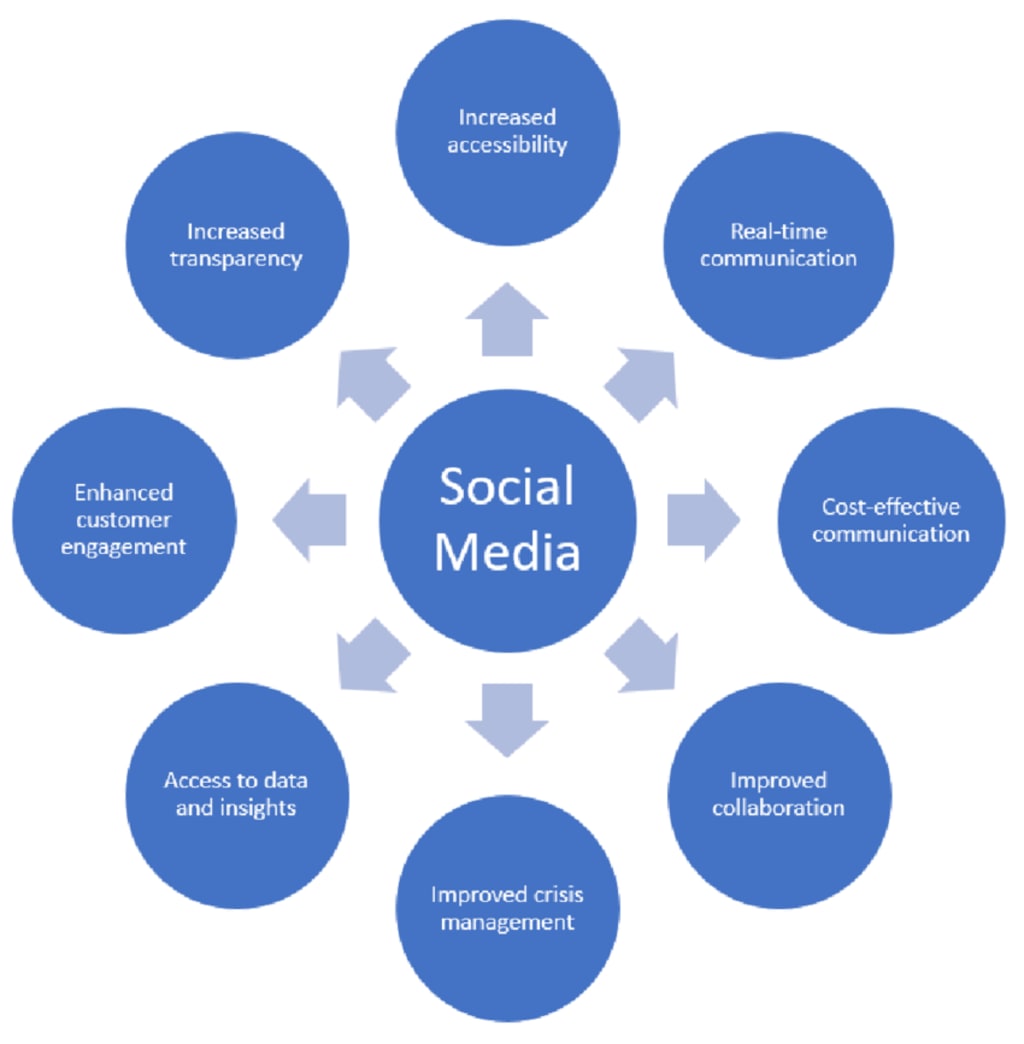
In today’s digital age, social media serves as a powerful tool that writers and authors can leverage to gain visibility, build a loyal readership, and drive book sales. With billions of users across various platforms, social media offers unparalleled opportunities for engagement and marketing. Whether you’re an emerging author or a seasoned novelist, understanding how to effectively harness social media can be the key to your book's success.
1. Identify Your Audience
Before diving into the world of social media, it’s crucial to define your target audience. Ask yourself:
- Who is most likely to read my book?
- What are their interests and online behaviors?
- Which social media platforms do they frequent?
By understanding your audience's demographics, interests, and behaviors, you can tailor your content to resonate with them, making your efforts more effective.
Tools for Audience Analysis
Google Analytics: Use this tool to gather data on your site visitors, including demographics and interests.
Social Media Insights: Platforms like Facebook and Instagram provide insights into your current followers, helping you understand who they are and how they engage with your content.

2. Choose the Right Platforms
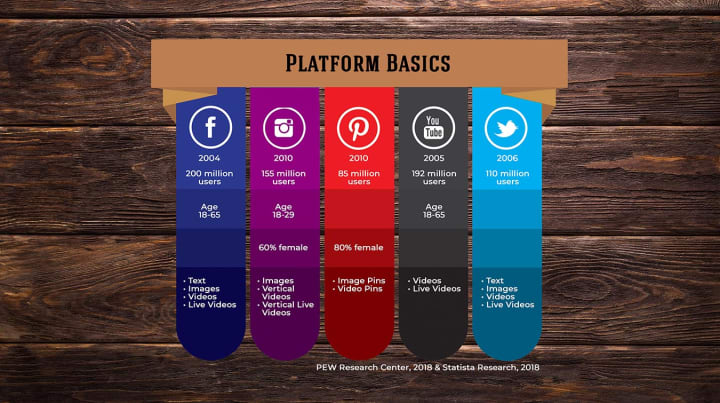
Not every social media platform will be suitable for every author or book genre. For example, visual-heavy platforms like Instagram and Pinterest are excellent for photography books, while Twitter and LinkedIn may be better for business authors or those writing academic texts. Here are popular platforms to consider:
Facebook: Great for building communities and hosting events, such as virtual book launches.
Instagram: Ideal for sharing images, quotes, and snippets from your book, as well as engaging stories and reels.
Twitter: Perfect for networking with industry peers and engaging directly with readers through threads and hashtags.
TikTok: Emerging as a powerful platform for reaching younger audiences, authors can use short videos to share book trailers or reading snippets.
Goodreads: A specialized platform for readers and authors, where you can engage with readers through groups and contests.
3. Create Compelling Content
Content is king, and the quality of your posts can significantly impact your engagement rates. Here’s how to create compelling content:
Share Your Writing Journey
Take your audience along for the ride by sharing behind-the-scenes glimpses of your writing process. This could include:
- Draft excerpts or snippets
- Writing challenges you face
- Your inspirations and motivations
- Titles, covers, and character sketches
- Use Engaging Visuals
Visual content captures attention more effectively than text alone. Use high-quality images, infographics, or videos to promote your work. You can create:
- Short book trailers
- Image quotes from your book
- Covers and design processes
- Participate in Relevant Trends
Staying up-to-date on social media trends can help you engage a larger audience. Participate in challenges relevant to your genre or use trending hashtags to expand your reach.
Host Live Sessions
Platforms like Instagram and Facebook allow you to conduct live Q&A sessions where you can interact with your readers directly. This builds a personal connection and fosters community.
4. Engage with Your Audience
Building a successful presence on social media means actively engaging with your audience. Here’s how to nurture reader relationships:
Respond to Comments and Messages
Always respond to comments and messages in a timely and personable manner. Acknowledging your readers shows that you value their opinions and fosters loyalty.
Join Facebook Groups and Online Communities
Find groups associated with your genre or target audience. Engage genuinely, share insights, and promote your work when appropriate. This organic interaction can build credibility and interest in your book.
Collaborate with Other Creators
Reaching out to other authors, bloggers, and influencers can amplify your reach. Consider hosting joint events or cross-promotions of each other’s works, which can attract new readers.

5. Leverage Paid Advertising
If you have a budget, consider using paid advertising to reach a larger audience. Most platforms offer targeted ad services that can help you zero in on specific demographics. Here are a few tips:
Create Targeted Ads
Utilize the targeting features provided by platforms like Facebook and Instagram. Choose your audience based on interests, age, location, and other criteria that align with your book’s market.
Retargeting Campaigns
Consider using retargeting ads that remind users who previously interacted with your content to revisit your page or check out your newly released book.

6. Track Your Progress and Adapt
Utilize analytics tools offered by social media platforms to track your engagement metrics. Monitor:
- Which posts have the most engagement?
- What audience demographics are most engaged?
- What times of day yield the highest interaction?
This data will help you refine your strategy, ensuring that you focus your efforts on what works best.
7. Stay Authentic
Authenticity resonates with readers. Share both your successes and challenges as a writer. Be genuine in promoting your book, and avoid coming off as overly sales-driven. Audiences appreciate transparency, which can lead to deeper connections and loyalty.
Conclusion
Harnessing social media for book success requires a strategic approach that balances engagement, creativity, and authenticity. By understanding your audience, creating compelling content, and actively interacting with your readers, you can elevate your book’s visibility and enhance its chances for success. Remember, social media is not just about promotion; it’s about building a community around your work that will support you as an author throughout your career. Start today, experiment, track your progress, and watch as your writing journey unfolds in the digital world!
About the Creator
Hannah miller
I’m an author dedicated to weaving engaging narratives across a variety of genres to resonate with readers.
Keep reading
More stories from Hannah miller and writers in BookClub and other communities.
Why Is Literature and Art Valued in Black Culture?
The significance of literature and artwork in Black culture serves as a vital lens through which experiences, histories, and aspirations are expressed and understood. Throughout history, Black communities have utilized artistic and literary forms as tools for resistance, identity affirmation, and cultural preservation. This article explores the myriad reasons why literature and art hold such treasured places in Black culture, highlighting historical contexts, social themes, and the contributions of Black artists and writers.
By Hannah millerabout a year ago in BookClub
Miss Persephone's Manual to a Seemingly Ordinary Life
Miss Persephone was found at the dining table, her blue eyes swollen, her tears arriving and retreating like the tides of the ocean. Earlier that day, her family had visited her in the retirement home where she had lived for eight years. It was her eightieth birthday.
By Imola Tóth3 days ago in Fiction




Comments
There are no comments for this story
Be the first to respond and start the conversation.