
Historical Cookbooks
Cooking and history go hand-in-hand

Charlemagne's Tablecloth by Nichola Fletcher
Feasts, banquets, and grand dinners have always played a vital role in our lives. They oil the wheels of diplomacy, smooth the paths of the ambitious, and spread joy at family celebrations. They lift the spirits, involve all our senses and, at times, transport us to other fantastical worlds. Some feasts have give rise to hilarious misunderstandings, at others competitive elements take over. Some are purely for pleasure, some connect uncomfortably with death, but all are interesting. Nichola Fletcher has written a captivating history of feasts throughout the ages that includes the dramatic failures along with the dazzling successes. From a humble meal of potatoes provided by an angel, to the extravagance of the high medieval and Renaissance tables groaning with red deer and wild boar, to the exquisite refinement of the Japanese tea ceremony, Charlemagne’s Tablecloth covers them all.
The Food of a Younger Land by Mark Kurlansky
Using long-forgotten WPA files archived in the Library of Congress, bestselling author Mark Kurlansky paints a detailed picture of Depression Era Americans through the food that they ate and the local traditions and customs they observed when planning and preparing meals.
Catching Fire by Richard Wrangham
In this stunningly original book, renowned primatologist Richard Wrangham argues that "cooking" created the human race. At the heart of "Catching Fire" lies an explosive new idea: The habit of eating cooked rather than raw food permitted the digestive tract to shrink and the human brain to grow, helped structure human society, and created the male-female division of labor.
First Bite by Bee Wilson
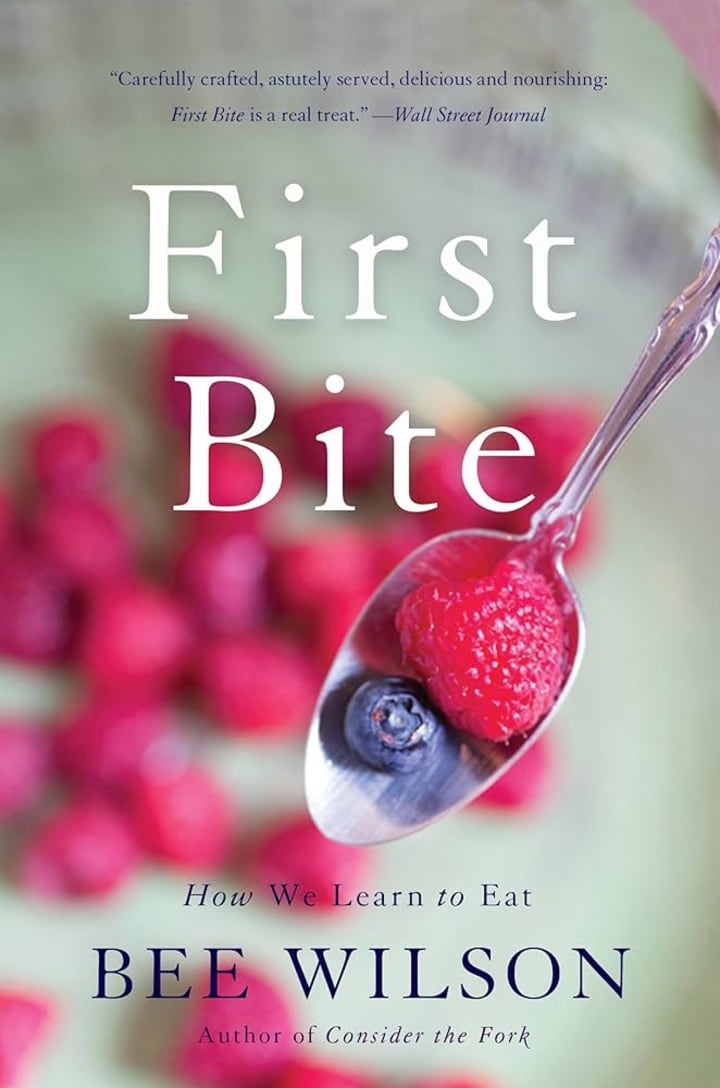
In First Bite, acclaimed food historian Bee Wilson delves deep into the latest research from food psychologists, neuroscientists, and nutritionists to reveal that our food habits are shaped by family and culture, memory and gender, hunger and love. We do not come into the world with an innate sense of taste or nutrition as omnivores, we have to learn how and what to eat, how sweet is too sweet and what food will give us the most energy for the coming day. Drawing on the psychology of eating, she shows that it is possible, despite our dysfunctional food industry and habits, to feed ourselves better. The key, she reveals, is to learn to take pleasure in eating healthily.
What She Ate by Laura Shapiro
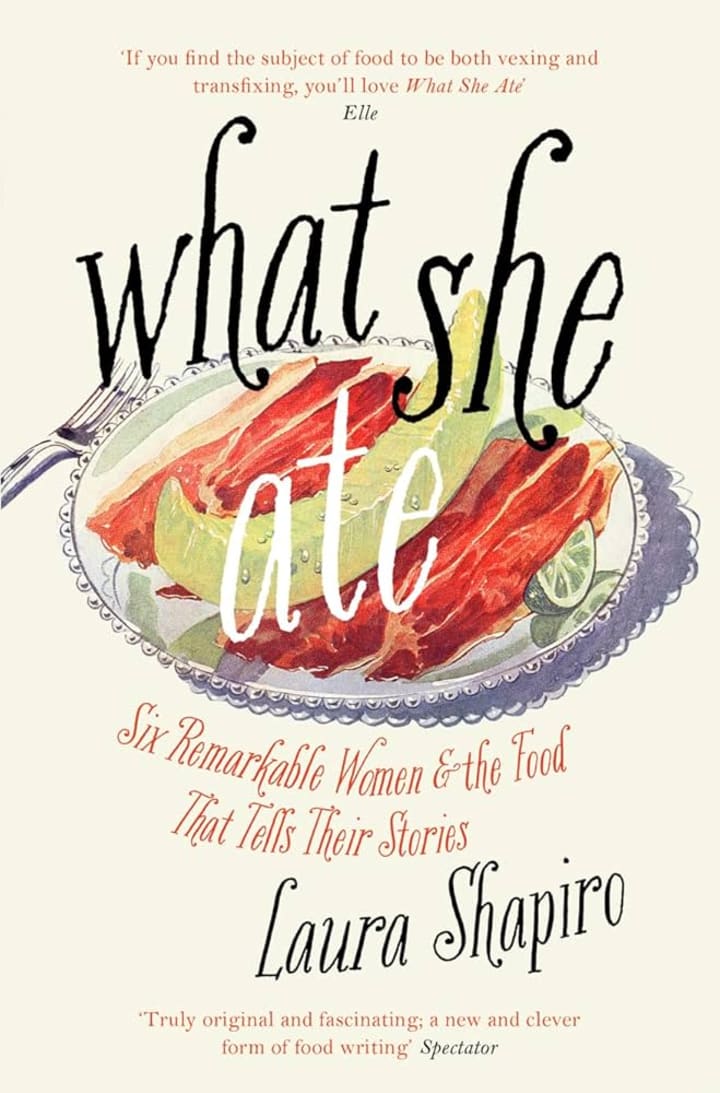
A beloved culinary historian's short takes on six famous women through the lens of food and cooking--what they ate and how their attitudes toward food offer surprising new insights into their lives. Everyone eats, and food touches on every aspect of our lives--social and cultural, personal and political. Yet most biographers pay little attention to people's attitudes toward food, as if the great and notable never bothered to think about what was on the plate in front of them. Once we ask how somebody relates to food, we find a whole world of different and provocative ways to understand her. Food stories can be as intimate and revealing as stories of love, work, or coming-of-age. Each of the six women in this entertaining group portrait was famous in her time, and most are still famous in ours; but until now, nobody has told their lives from the point of view of the kitchen and the table. It's a lively and unpredictable array of women; what they have in common with one another (and us) is a powerful relationship with food. They include Dorothy Wordsworth, whose food story transforms our picture of the life she shared with her famous poet brother; Rosa Lewis, the Edwardian-era Cockney caterer who cooked her way up the social ladder; Eleanor Roosevelt, First Lady and rigorous protector of the worst cook in White House history; Eva Braun, Hitler's mistress, who challenges our warm associations of food, family, and table; Barbara Pym, whose witty books upend a host of stereotypes about postwar British cuisine; and Helen Gurley Brown, the editor of Cosmopolitan, whose commitment to "having it all" meant having almost nothing on the plate except a supersized portion of diet gelatin.
Voracious by Cara Nicoletti
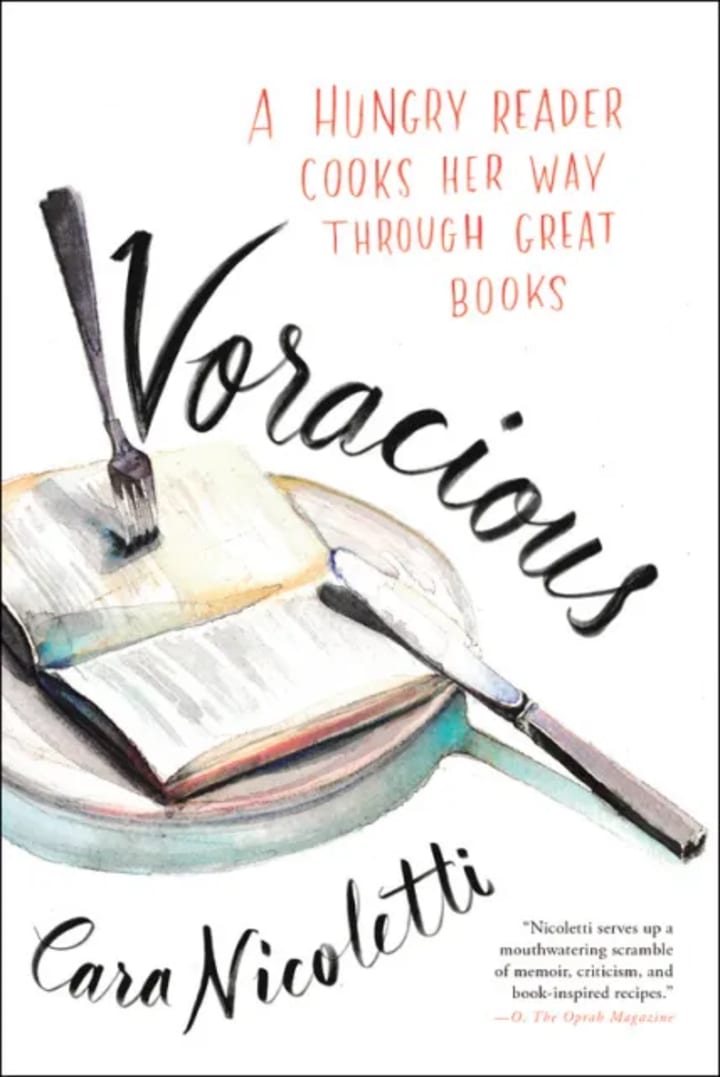
As a young bookworm reading in her grandfather's butcher shop, Cara Nicoletti saw how books and food bring people to life. Now a butcher, cook, and writer, she serves up stories and recipes inspired by beloved books and the food that gives their characters depth and personality. From the breakfast sausage in Laura Ingalls Wilder's Little House in the Big Woods to chocolate cupcakes with peppermint buttercream from Jonathan Franzen's The Corrections, these books and the treats in them put her on the road to happiness. Cooking through the books that changed her life, Nicoletti shares fifty recipes.
American Cake by Anne Byrn
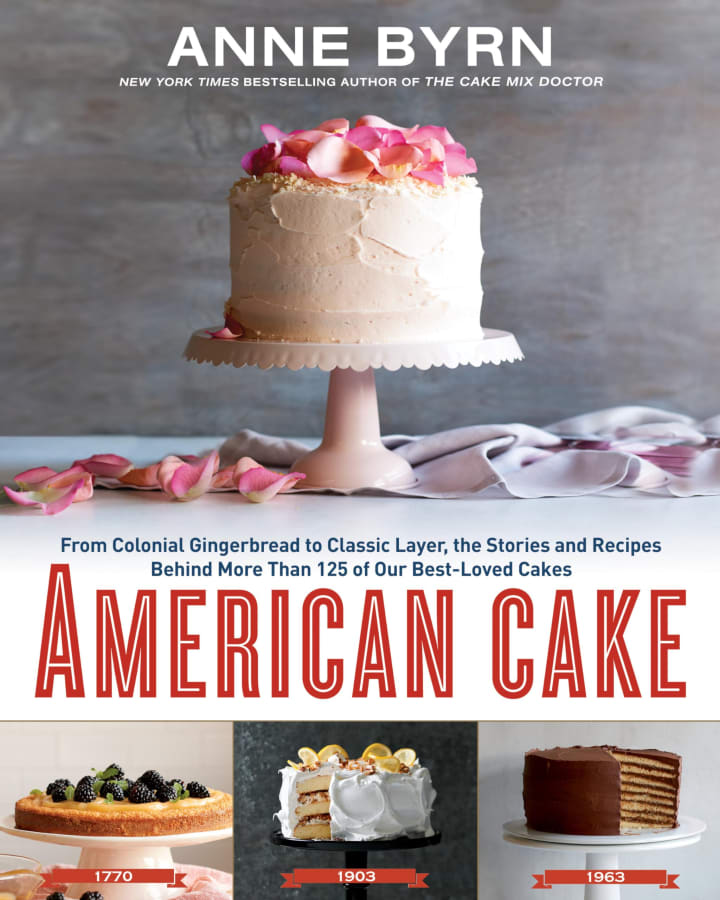
Tracing cakes chronologically from the dark, moist gingerbread of New England to the elegant pound cake, the hardscrabble Appalachian stack cake, war cakes, deep-South caramel, Hawaiian Chantilly, and the modern California cakes of orange and olive oil, Byrn shares recipes, stories, and a behind-the-scenes look into what cakes we were baking back in time.
The Language of Food by Dan Jurafsky
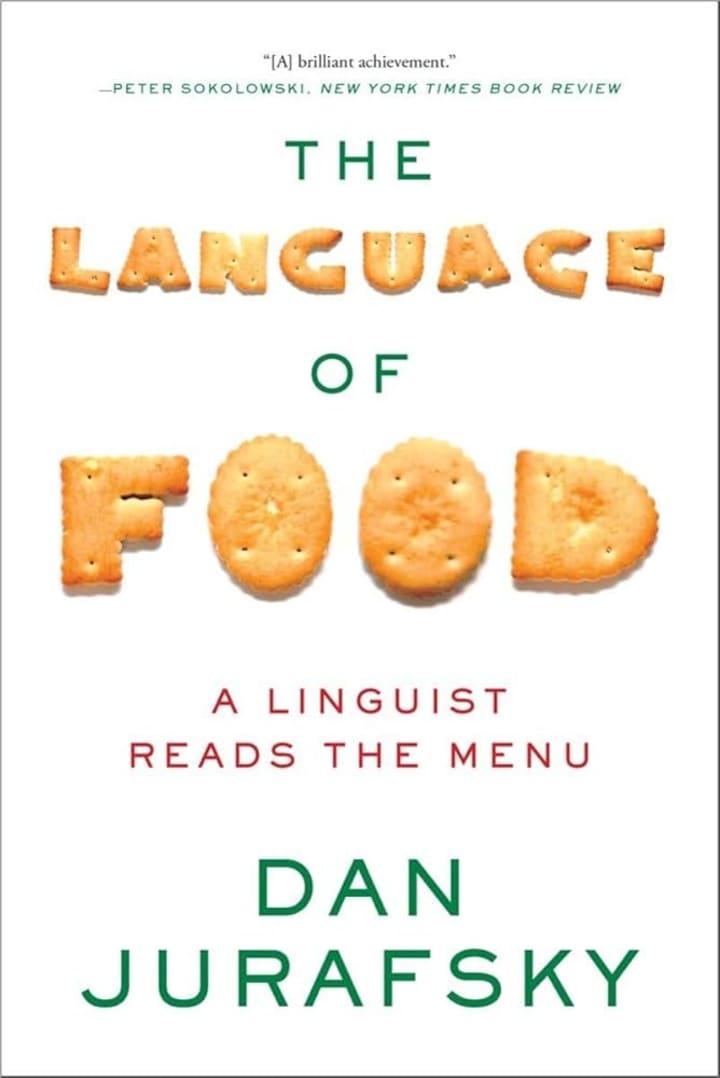
In The Language of Food, Stanford University professor and MacArthur Fellow Dan Jurafsky peels away the mysteries from the foods we think we know. Thirteen chapters evoke the joy and discovery of reading a menu dotted with the sharp-eyed annotations of a linguist.
Fannie's Last Supper by Christopher Kimball
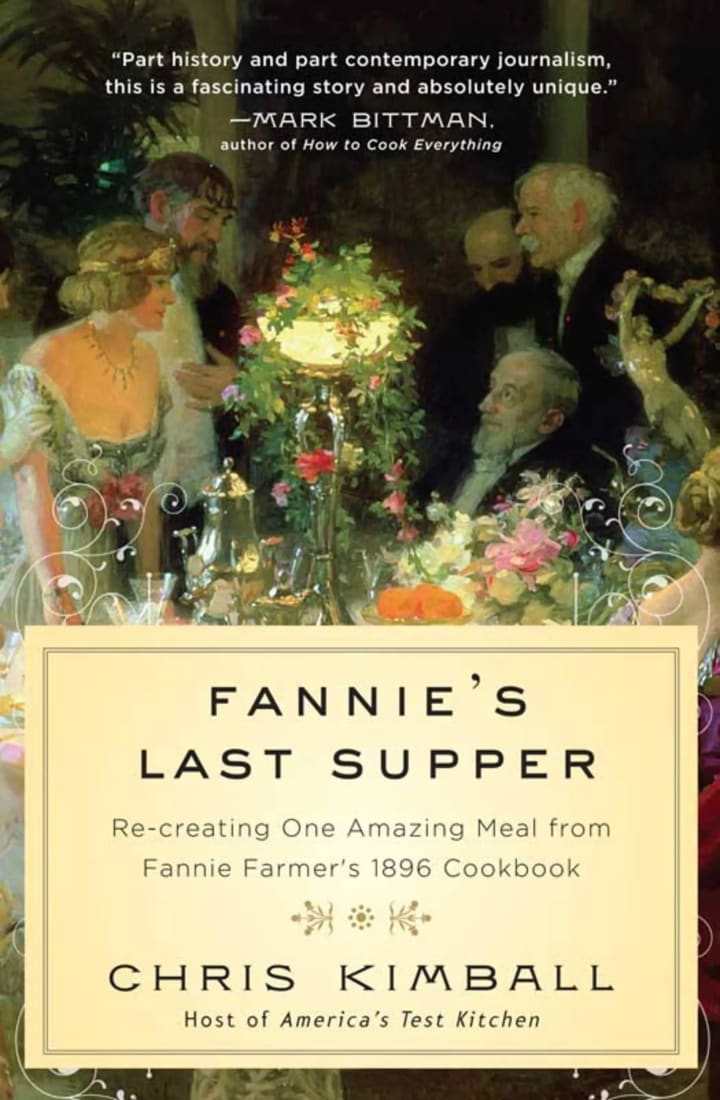
In this culinary and historical adventure, Kimball, founder of Cook's Illustrated and host of the PBS series America's Test Kitchen, hosts a Victorian dinner based on the recipes of Fannie Farmer, author of The Boston Cooking-School Cook Book, which was first published in 1896.
The Cooking Gene by Michael W. Twitty
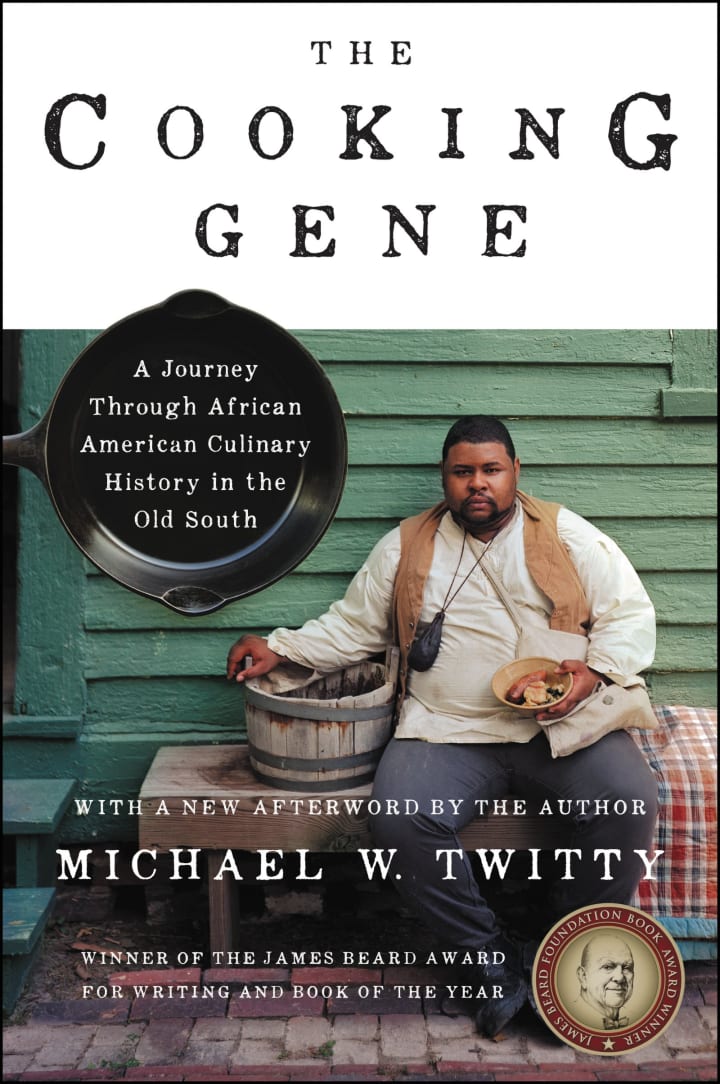
A memoir of Southern cuisine and food culture that traces the paths of the author's ancestors (black and white) through the crucible of slavery to show its effects on our food today.
Eight Flavors by Sarah Lohman
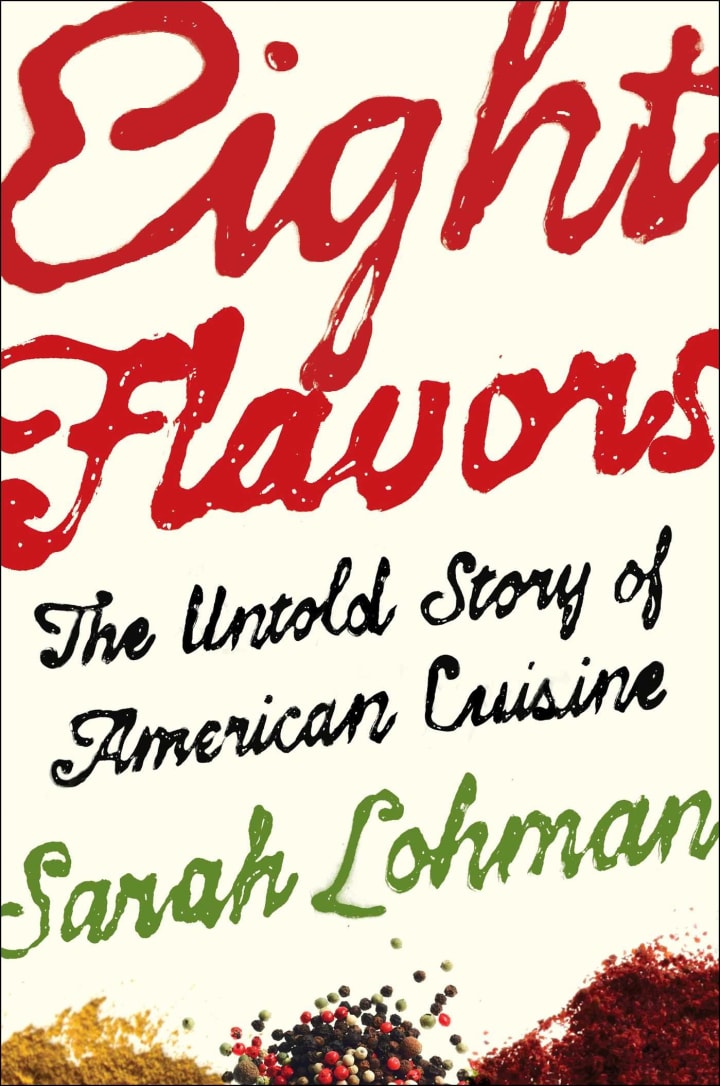
This unique culinary history of America offers a fascinating look at our past and uses long-forgotten recipes to explain how eight flavors changed how we eat. Eight Flavors introduces the explorers, merchants, botanists, farmers, writers, and chefs whose choices came to define the American palate. Lohman takes you on a journey through the past to tell us something about our present, and our future. We meet John Crowninshield a New England merchant who traveled to Sumatra in the 1790s in search of black pepper. And Edmond Albius, a twelve-year-old slave who lived on an island off the coast of Madagascar, who discovered the technique still used to pollinate vanilla orchids today. Weaving together original research, historical recipes, gorgeous illustrations and Lohman's own adventures both in the kitchen and in the field, Eight Flavors is a delicious treat--ready to be devoured.
About the Creator
Kristen Barenthaler
Curious adventurer. Crazed reader. Librarian. Archery instructor. True crime addict.
Instagram: @kristenbarenthaler
Facebook: @kbarenthaler
Keep reading
More stories from Kristen Barenthaler and writers in BookClub and other communities.
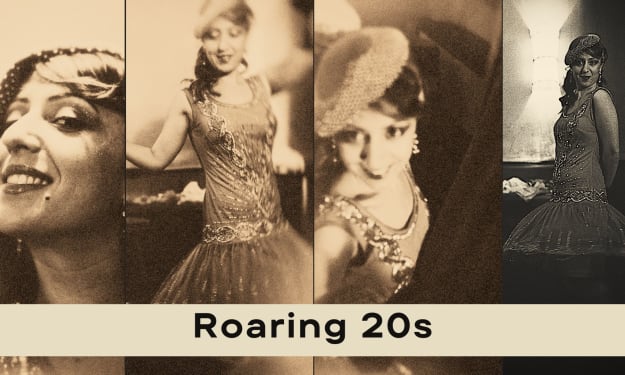
Historical Fiction: Roaring 20s
The Swans of Fifth Avenue by Melanie Benjamin Of all the glamorous stars of New York high society, none blazes brighter than Babe Paley and her friends, the alluring socialite Swans. But beneath this elegantly composed exterior dwells a passionate woman, desperately longing for true love and connection. Enter Truman Capote. Through Babe, Truman gains unparalleled access to the scandal and gossip of Babe's powerful circle. Babe never imagines the destruction Truman will leave in his wake-- even when the stories aren't his to tell.
By Kristen Barenthaler8 months ago in BookClub
7 Emotional Intelligence Books You Must Read In 2026
What separates truly successful leaders, fulfilled professionals, and resilient individuals from the rest? It’s not raw intelligence, talent, or even experience—it’s emotional intelligence (EQ). Emotional intelligence is our ability to recognize, understand, manage, and influence emotions—both our own and those of others.
By Diana Meresc7 days ago in BookClub



Comments
There are no comments for this story
Be the first to respond and start the conversation.