
"Fyodor Dostoyevsky: Master of the Human Soul"
"Dostoyevsky Unveiled: The Man Behind the Masterpieces"
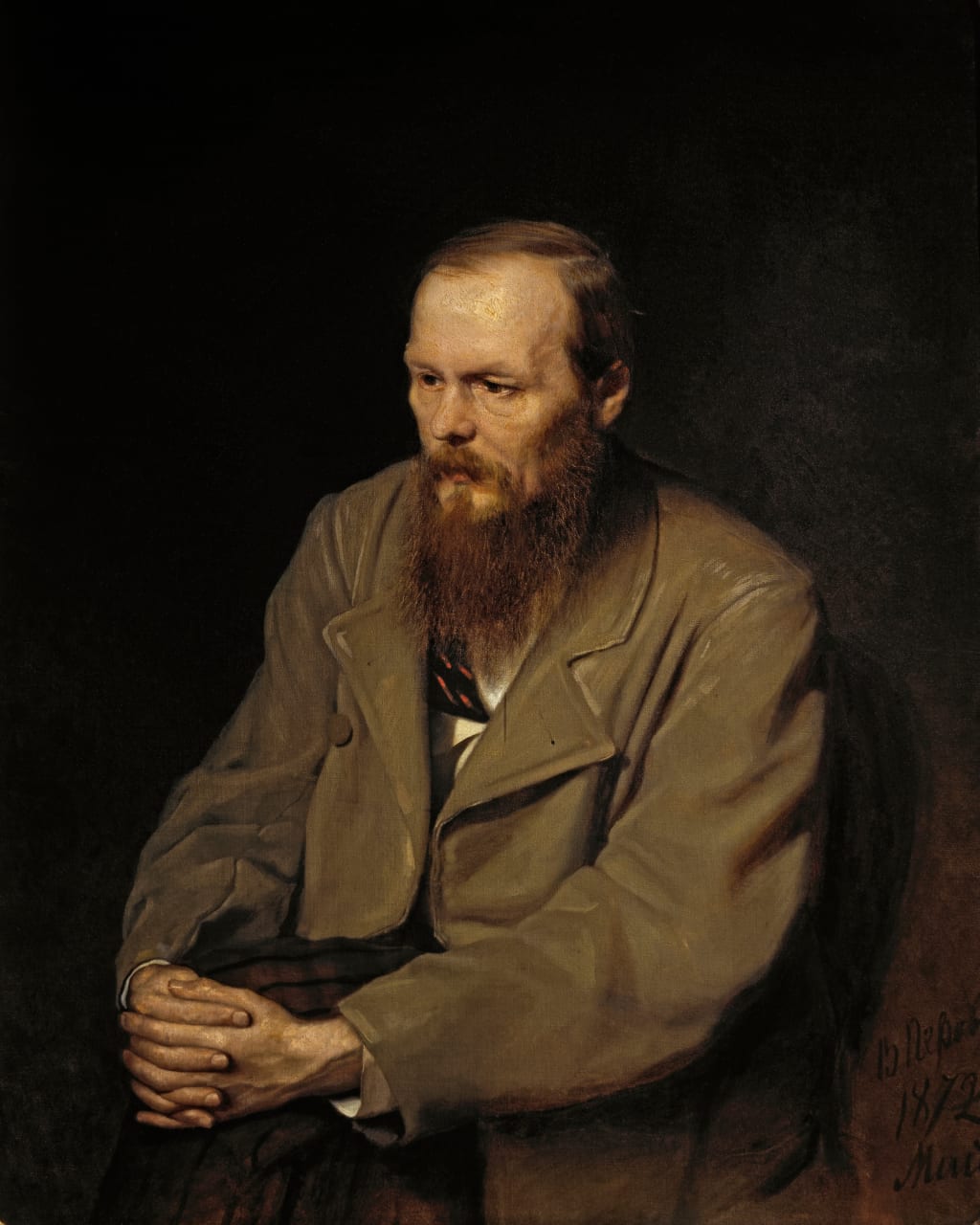
Fyodor Dostoyevsky, one of Russia’s most celebrated novelists, is known for his unparalleled ability to probe the depths of the human soul. His works vividly portray humanity's struggles with morality, free will, faith, and despair, leaving an indelible mark on global literature. British author Virginia Woolf described his novels as “seething whirlpools” and “gyrating sandstorms” that pull readers into their emotional and psychological intensity. Woolf even ranked Dostoyevsky second only to Shakespeare, underscoring his immense influence. While some critics, such as Vladimir Nabokov, dismissed his frenzied and unpolished style, his work remains a cornerstone of philosophical and literary thought.
Dostoyevsky's own life was as tumultuous as the lives of his characters. Born in Moscow in 1821, he experienced financial struggles, the loss of his parents, and debilitating health conditions, including epilepsy. These hardships informed his nuanced portrayal of suffering and redemption. Arrested in 1849 for involvement with a politically radical group, he was sentenced to death but received a last-minute reprieve. Instead, he endured four years of brutal labor in a Siberian prison camp, followed by military service. This harrowing experience transformed his worldview, deepening his understanding of faith, human resilience, and moral ambiguity.
Dostoyevsky’s writing style is electric, raw, and deeply introspective. His characters grapple with existential dilemmas, often standing at the crossroads of despair and transcendence. Through them, he explores the extremes of human nature—ranging from depravity and cruelty to compassion and spiritual awakening. His works are not mere stories but psychological and philosophical explorations that ask fundamental questions about what it means to be human.
Dostoyevsky’s works have profoundly influenced literature, philosophy, and art. His exploration of the human psyche prefigured the work of modern psychologists like Sigmund Freud and existential philosophers such as Friedrich Nietzsche and Jean-Paul Sartre. His depiction of moral and existential struggles resonates in the works of later writers, including Albert Camus, Franz Kafka, and Virginia Woolf.
Even beyond literature, Dostoyevsky’s influence extends to broader cultural and philosophical discussions. His insights into the human condition continue to inspire debates on morality, freedom, and the nature of good and evil. For readers, his works are not just literary achievements but transformative experiences that challenge one’s perspectives on life and humanity.
Dostoyevsky’s writing style is electric, raw, and deeply introspective. His characters grapple with existential dilemmas, often standing at the crossroads of despair and transcendence. Through them, he explores the extremes of human nature—ranging from depravity and cruelty to compassion and spiritual awakening. His works are not mere stories but psychological and philosophical explorations that ask fundamental questions about what it means to be human.
About the Creator
My New Book is Finally Here
My poetry collection Beautiful and Brutal Things is done. It's actually done and finally published over 270 pages. Over a year of my life went into this book. More than a year, really. Long days at my computer, sometimes seven days a week because I couldn't stop even when I probably should have. Then two months of editing that felt harder than the writing itself. But it's finished, and I'm still standing, and the book is real.
By Tim Carmichael4 days ago in BookClub
Romance with a Twist (of the Knife)
Welcome to The Chapter Café, where every page is served with a drizzle of desire and a drop of blood. I’m your host, Kristen, and today we’re swirling roses and razor blades in a heady cocktail of passion and peril. Prepare to sip on secrets stained red and savor stolen glances that might end in a deadly twist.
By Kristen Barenthaler6 days ago in BookClub
Smart phones, Humans and Aliens.
WARNING. I will be tapping into one of your favorite creative tensions: The absurdity of humans worshipping their glowing rectangles as if they were tiny oracles. There’s something deliciously poetic about that contradiction, and it lends itself beautifully to an instructive proviso.
By Novel Allen5 days ago in Poets




Comments
There are no comments for this story
Be the first to respond and start the conversation.