
Ernest Hemingway's "For Whom the Bell Tolls"
A Timeless Tale of War and Humanity
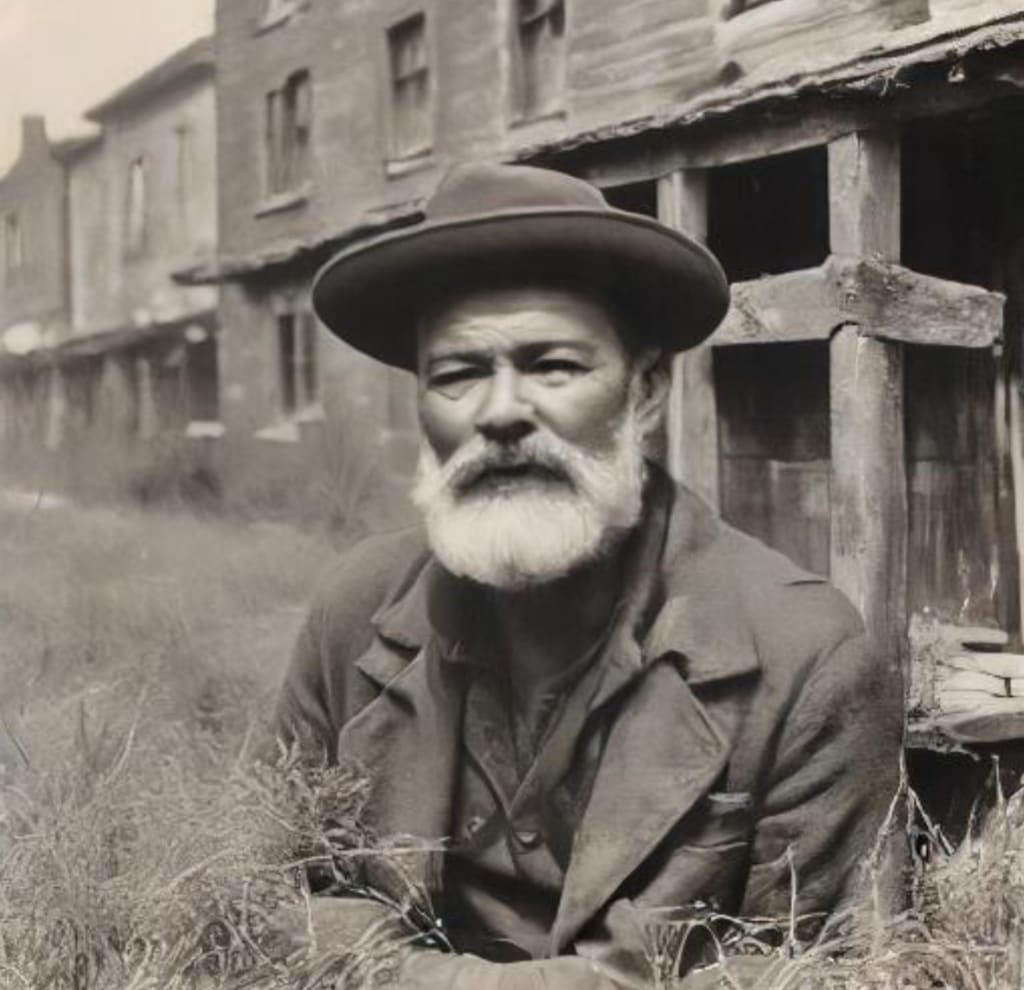
Ernest Hemingway, a literary titan, has gifted the world with numerous masterpieces, each leaving an indelible mark on literature. Among his most acclaimed works is "For Whom the Bell Tolls," a profound narrative set against the backdrop of the Spanish Civil War. Published in 1940, this novel is not only a gripping tale of conflict and sacrifice but also a poignant exploration of human connections and the cost of war. However, despite its literary acclaim, "For Whom the Bell Tolls" has faced significant censorship, adding a layer of complexity to its history.
The Legacy of "For Whom the Bell Tolls"
"For Whom the Bell Tolls" remains a seminal work in Hemingway's oeuvre and in the canon of American literature. Its exploration of the human spirit amidst the ravages of war is timeless, and its characters' struggles and triumphs continue to speak to readers across generations. The novel's historical and political contexts add layers of meaning, inviting readers to reflect on the broader implications of war and the personal costs of conflict.
A History of Censorship
Despite its literary significance, "For Whom the Bell Tolls" has not been immune to censorship. Shortly after its publication, the U.S. Post Office declared the book non-mailable in 1940. This decision stemmed from the novel's frank depictions of violence and its perceived political implications during a time when America was grappling with its stance on the Spanish Civil War and the looming threat of global conflict.
The censorship did not end there. In 1973, the book faced a ban in Turkey, where it was deemed to contain "propaganda unfavorable to the state." The Turkish government's decision reflected concerns over the novel's portrayal of guerrilla warfare and its potential to inspire dissent against authoritarian regimes
Ernest Hemingway's "For Whom the Bell Tolls" is more than a story of war; it is a profound exploration of human resilience, love, and sacrifice. Despite facing censorship, the novel's powerful message has endured, continuing to captivate and inspire readers. As we reflect on its themes and historical significance, we are reminded of the timeless relevance of Hemingway's work and the enduring power of literature to challenge, provoke, and enlighten.
About the Creator
My New Book is Finally Here
My poetry collection Beautiful and Brutal Things is done. It's actually done and finally published over 270 pages. Over a year of my life went into this book. More than a year, really. Long days at my computer, sometimes seven days a week because I couldn't stop even when I probably should have. Then two months of editing that felt harder than the writing itself. But it's finished, and I'm still standing, and the book is real.
By Tim Carmichael8 days ago in BookClub
There Is Only One True Unreliable Narrator...
The unreliable narrator: A new trend in the literary fiction world, usually also falling under the category of unlikeable narrator and plotless fiction. I think, in many ways, the tiktok-afication of this term has pulled it away from what it actually means and is often used as a synonym for an unlikeable narrator.
By The Austen Shelf3 days ago in BookClub



Comments
There are no comments for this story
Be the first to respond and start the conversation.