
Donald Trump: A Defining Figure in Modern American Politics
Donald Trump: A Defining Figure in Modern American Politics
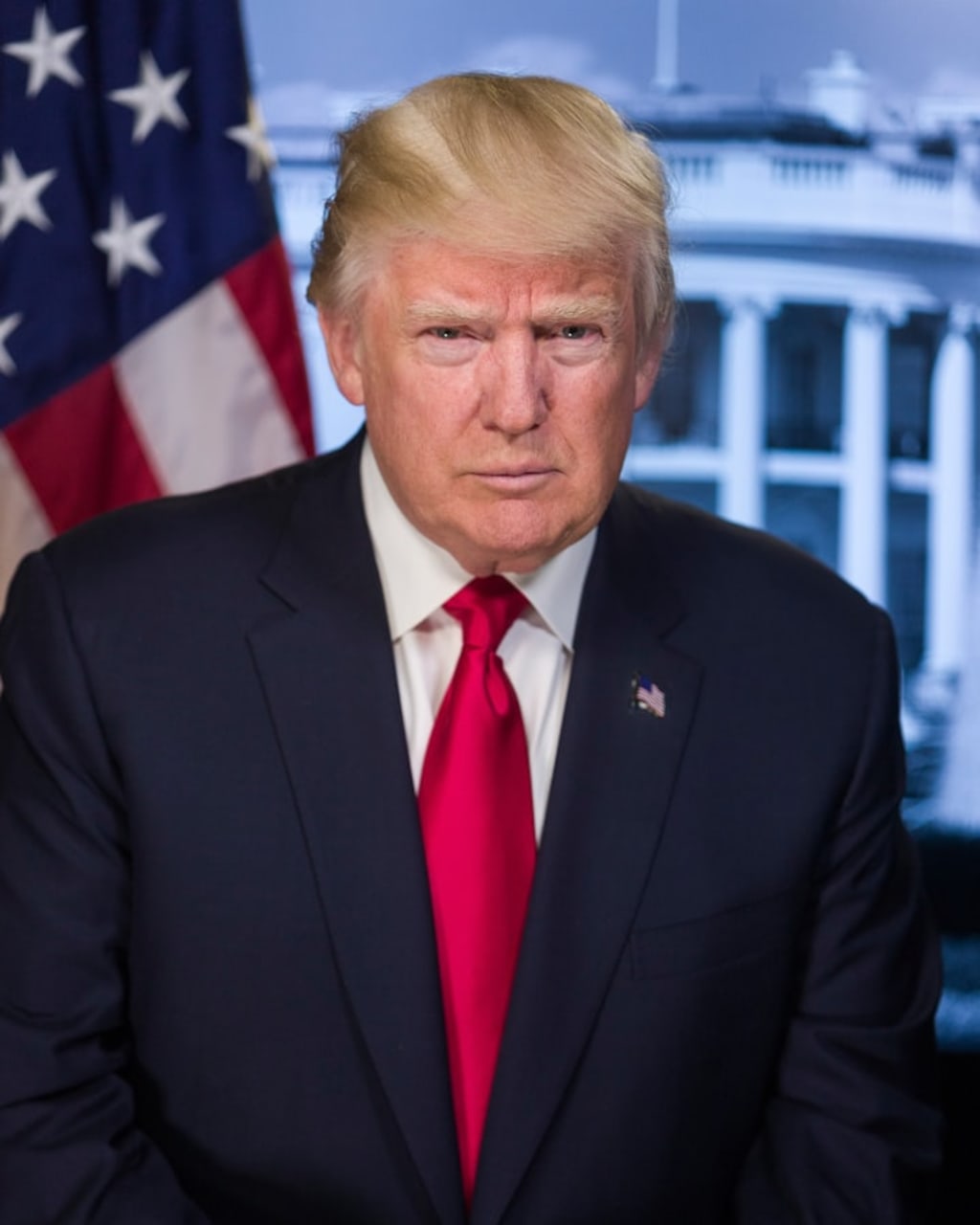
Donald Trump: A Pivotal Figure in Contemporary American Politics
Donald J. Trump, the 45th President of the United States, stands as one of the most divisive and influential personalities in contemporary American politics. Renowned for his direct communication style, fervent nationalist rhetoric, and extensive business experience, Trump has transformed the Republican Party and significantly impacted global discussions surrounding leadership, democracy, and populism.
Transition from Business Leader to Political Influencer
Prior to his entry into politics, Trump was a prominent real estate magnate and television figure. Born in 1946 in Queens, New York, he took the reins of his father's real estate firm and expanded it into a multi-billion-dollar enterprise. His brand, characterized by opulent hotels, casinos, and skyscrapers, became emblematic of affluence and authority.
Trump further elevated his national profile through the reality television series The Apprentice, where his signature phrase, “You’re fired,” became a cultural touchstone. This extensive recognition set the stage for his political ambitions, as he capitalized on his celebrity and business expertise to cultivate a dedicated following.
The 2016 Presidential Election: A Political Tsunami
In 2015, Trump declared his candidacy for the presidency as a Republican. His campaign was anchored in a bold, populist slogan: "Make America Great Again" (MAGA). He vowed to revive job opportunities, secure the U.S.-Mexico border with a wall, renegotiate trade agreements, and prioritize "America First" in international relations.
Despite encountering formidable opposition from both Democratic contenders and establishment Republicans, Trump's message struck a chord with millions of Americans, especially working-class individuals who felt overlooked by the political establishment. His unconventional approach to campaigning, along with his capacity to dominate media narratives, ultimately led to his unexpected triumph over Democratic nominee Hillary Clinton in one of the most surprising electoral outcomes in U.S. history.
Presidency: Achievements and Controversies
The presidency of Donald Trump (2017–2021) was characterized by a series of policies, executive actions, and significant controversies. Among his notable accomplishments are:
1. Economic Growth: Trump advocated for tax reductions through the Tax Cuts and Jobs Act of 2017, pursued deregulation across various sectors, and prioritized job creation, resulting in historically low unemployment rates prior to the onset of the COVID-19 pandemic.
2. Judiciary Appointments: He appointed three justices to the Supreme Court—Neil Gorsuch, Brett Kavanaugh, and Amy Coney Barrett—thereby altering the ideological composition of the court for the foreseeable future.
3. Foreign Policy: His administration facilitated the Abraham Accords, which established normalized relations between Israel and multiple Arab nations. Additionally, he adopted a confrontational approach towards China, implementing tariffs to rectify trade disparities.
4. Criminal Justice Reform: Trump enacted the First Step Act, a bipartisan initiative aimed at reforming sentencing laws and decreasing recidivism rates.
Conversely, his presidency was also marred by numerous controversies:
Impeachments: Trump became the first U.S. president to be impeached on two occasions—first in 2019 for allegedly pressuring Ukraine to investigate Joe Biden’s family, and again in 2021 for inciting the Capitol insurrection. He was acquitted by the Senate in both instances.
Rhetoric and Polarization: His provocative statements, particularly regarding immigration, race, and the media, exacerbated national divisions. Critics accused him of fostering white nationalism and undermining democratic principles.
Handling of COVID-19: Trump's management of the pandemic faced intense scrutiny, with detractors contending that he minimized the virus's seriousness and failed to orchestrate a cohesive federal response.
Post-Presidency and Lasting Impact
Following his defeat in the 2020 election to Joe Biden, Trump declined to concede, persistently asserting that the election was "stolen" due to widespread fraud—claims that were largely discredited by courts and election officials. His rhetoric culminated in the January 6, 2021, assault on the U.S. Capitol, a day that left a lasting mark on American democracy.
About the Creator
Keep reading
More stories from writers in BookClub and other communities.
My New Book is Finally Here
My poetry collection Beautiful and Brutal Things is done. It's actually done and finally published over 270 pages. Over a year of my life went into this book. More than a year, really. Long days at my computer, sometimes seven days a week because I couldn't stop even when I probably should have. Then two months of editing that felt harder than the writing itself. But it's finished, and I'm still standing, and the book is real.
By Tim Carmichael4 days ago in BookClub
7 Books About Psychology That Are Impossible To Put Down
Psychology is not just an academic discipline—it’s a mirror held up to our inner world. It explains why we think the way we do, why we fall in love, why we sabotage ourselves, and why some habits cling to us like gravity. The best psychology books don’t feel like textbooks; they feel like conversations that change how we see ourselves and others.
By Diana Meresc4 days ago in BookClub
Ludacris and Nelly draw backlash over bookings at MAGA-coded music festival
Ludacris and Nelly headlining a mostly right-wing event is good for them. It’s also great for the genre of hip hop. The two rap veterans have showcased their talents on other stages. Why can’t they perform for mostly MAGA folks and grab that bag?
By Skyler Saunders6 days ago in Beat



Comments (1)
Nice story 🥰