
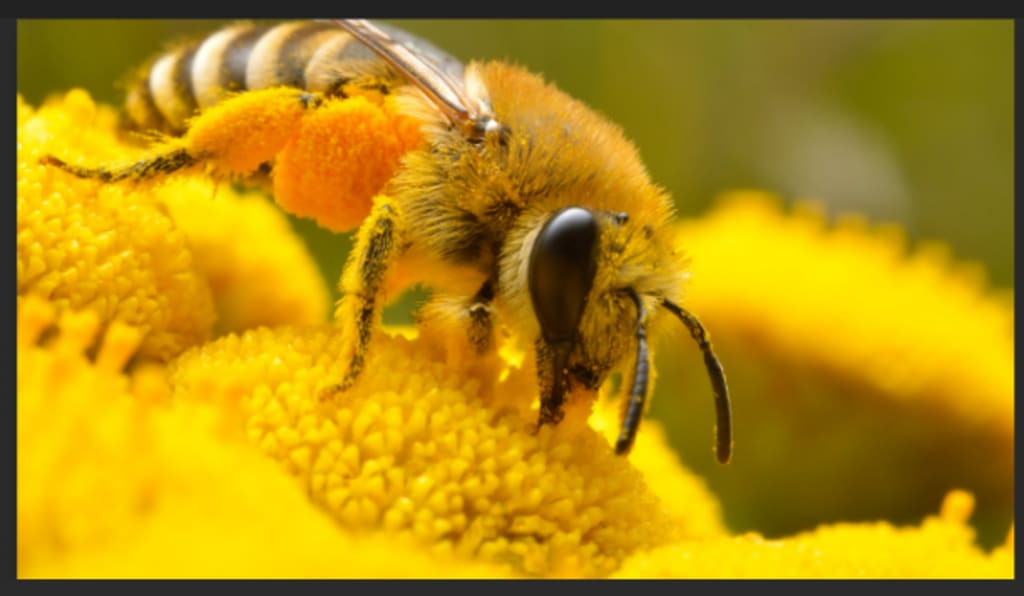
It sounds like you've really delved into the intricacies of bee stings and their impact! Bee stings are indeed fascinating and can be quite painful due to the unique mechanics of the honeybee's stinger. The fact that honeybees die after stinging humans is primarily due to the barbed structure of their stingers, which causes them to become lodged in the skin upon insertion. This results in the bee tearing away part of its abdomen and digestive tract when it tries to pull away, ultimately leading to its death.
Interestingly, not all bees have this kamikaze defense mechanism. Stingless bees, as you mentioned, lack the ability to sting altogether. Instead, they rely on biting as a defense mechanism, although they can still sacrifice themselves in defense of their colony if needed.
Bee venom itself, primarily composed of melittin, is responsible for the burning sensation and allergic reactions in sensitive individuals. It spreads quickly through the body due to its water-soluble nature, causing localized swelling and discomfort.
The distinction between bee stings and wasp stings, in terms of their chemical composition and effects on the human body, is also noteworthy. Wasps can sting repeatedly since their stingers are not barbed like those of honeybees.
Overall, bees and their defensive strategies are a testament to the complex adaptations that have evolved in nature, balancing self-defense with the survival of the colony. It's amazing how such tiny creatures can have such a significant impact on human health and behavior!
About the Creator
Keep reading
More stories from EDWIN ODHIAMBO and writers in BookClub and other communities.
Youths Are The Key To Creating A Better Future
Today's youth are coming of age in a world racked by difficulties. Even before the COVID-19 epidemic decimated lives and livelihoods around the world, previous socioeconomic systems jeopardized the planet's viability and degraded the route to healthy, happy, and full lives for far too many people.
By EDWIN ODHIAMBO2 years ago in Motivation
Rachel Reviews: Lakefront Wolves by Joseph Deegan
Meet Finn. He's an 18 year old kid who has potential. He's bright with great school scores and he's also an athlete, a footballer of some prowess. He has it all going for him, it would seem, and yet, he's determined to send what could be a well-planned, stable existence firmly off the rails. He drinks, he smokes, he takes drugs, he has violent tendencies and he's in danger of losing not only his mind but all that he holds dear.
By Rachel Deeming14 days ago in BookClub
7 Amazing Books to Read When You're Feeling Lazy
We all have those moments when life feels slow, energy is low, and the idea of tackling dense, heavy books feels impossible. Yet, even on our laziest days, reading can still be one of the most rewarding ways to spend time. The trick lies in choosing the right books—stories that are engaging without being exhausting, inspiring without being overwhelming, and comforting without feeling trivial.
By Diana Meresc5 days ago in BookClub
The First Rainbow Baby
Pitter-patter, pitter-patter. The rain fell in rhythmic splatters, slowly slowing, but still constant. Mira rolled onto her side pulling the blanket tight against her ears, but still she could hear chitter-chatter and scurrying feet of the creatures that refused to sleep in the lower decks.
By A. J. Schoenfelda day ago in Fiction



Comments
There are no comments for this story
Be the first to respond and start the conversation.