
Crisis Revealed The Collapse Chronicles The Big Short: A Review of Michael Lewis’s Insightful Analysis
Understanding the Collapse: A Deep Dive into the 2008 Financial Meltdown!!!

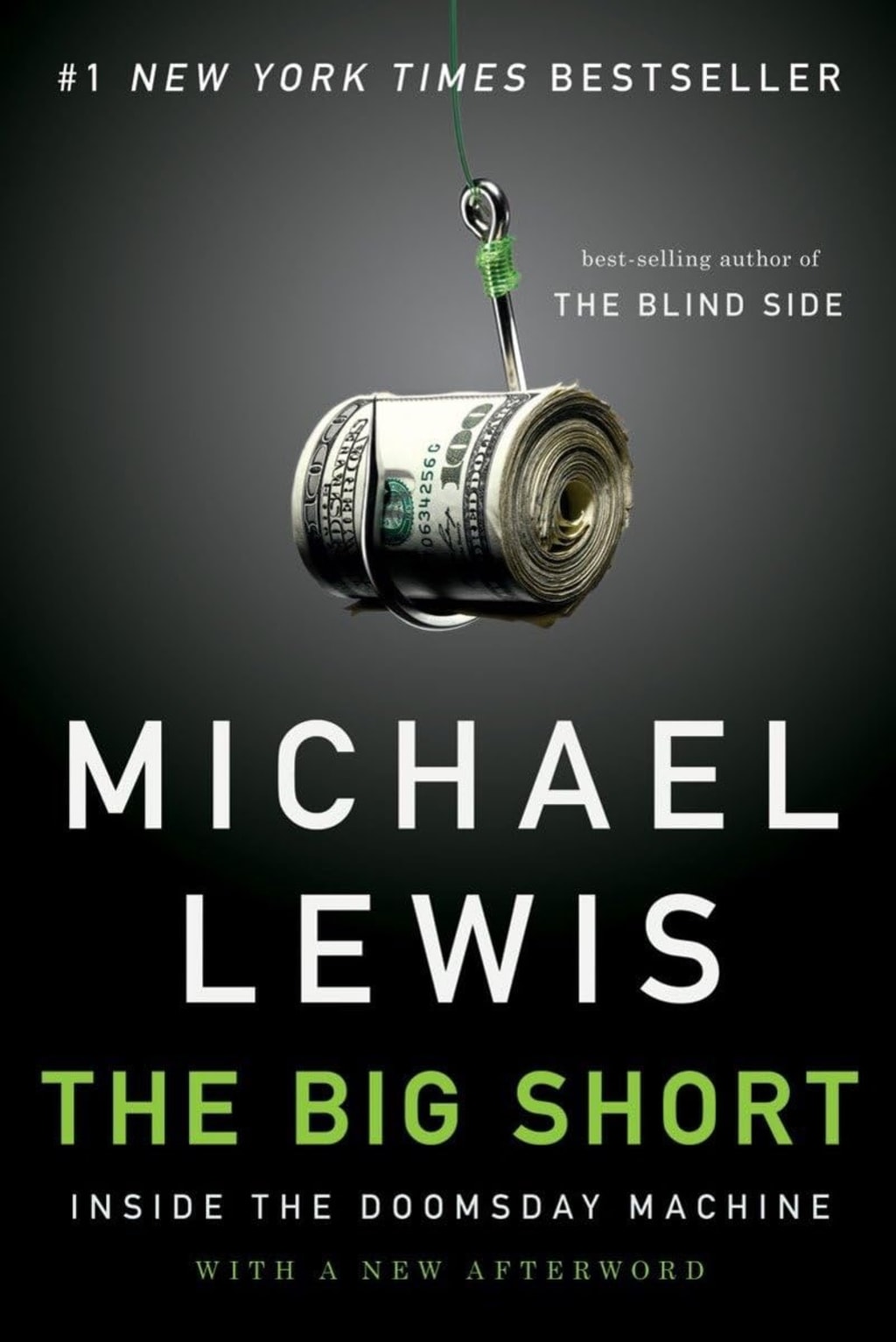
Michael Lewis’s The Big Short: Inside the Doomsday Machine is a captivating narrative that delves deep into the complex world of finance, specifically the lead-up to the 2008 financial crisis. Through a combination of meticulous research, compelling storytelling, and vivid character portrayals, Lewis sheds light on the systemic issues that led to one of the most catastrophic economic events in recent history. Below is a detailed six-point review that encapsulates the essence of the book.
1. Engaging Narrative Style: Lewis masterfully combines a journalistic approach with a storytelling format that makes complex financial concepts accessible and engaging. The book is structured around the experiences of various key players who predicted the impending financial collapse. By intertwining personal anecdotes with economic analysis, Lewis transforms what could be a dry subject into a gripping narrative. The use of humor and relatable language ensures that readers, regardless of their financial background, can follow along and grasp the intricacies of the situation.
2. Deep Dive into Characters: One of the book’s strengths is its focus on the individuals who recognized the impending disaster. Lewis profiles several key figures, including Michael Burry, Steve Eisman, and Greg Lippmann, each with distinct personalities and motivations. Burry, for instance, is portrayed as a socially awkward yet brilliant investor whose contrarian views put him at odds with conventional wisdom. These character studies not only humanize the story but also illustrate the diverse paths of insight that led to the short-selling of the housing market. Lewis does not shy away from showing their flaws, making them relatable and real rather than mere caricatures of financial gurus.
3. Unpacking Financial Complexity: The book excels in demystifying the financial instruments that contributed to the crisis, such as mortgage-backed securities (MBS) and collateralized debt obligations (CDOs). Lewis takes the time to explain these concepts in a way that is digestible for lay readers. For example, he uses vivid metaphors and analogies to illustrate how these instruments functioned and why they were so perilous. This educational aspect is crucial, as it equips readers with the knowledge to understand not just the events leading up to the crisis but also the implications for the financial system as a whole.
4. Critique of the System: A significant theme in The Big Short is the critique of the financial system and its regulatory framework. Lewis lays bare the systemic failures that allowed the crisis to unfold, highlighting the complicity of ratings agencies, financial institutions, and regulators. He underscores how greed and a lack of accountability created a perfect storm for disaster. By showcasing the rampant misalignment of incentives, Lewis argues that the crisis was not merely a result of a few bad actors but rather a symptom of a fundamentally flawed system. This broader critique invites readers to reflect on the structures that govern financial markets and the need for reform.
5. Timely Relevance: Although The Big Short was published in 2010, its themes resonate with contemporary issues in finance and economics. The book serves as a cautionary tale about the cyclical nature of economic crises and the dangers of complacency in the face of rapid financial innovation. As the global economy continues to evolve, with new technologies and investment vehicles emerging, the lessons drawn from the 2008 crisis remain relevant. Lewis’s work encourages readers to remain vigilant and informed about the complexities of modern finance, advocating for a deeper understanding of how financial systems operate and their potential pitfalls.
6. Emotional Resonance: Beyond its analytical prowess, The Big Short also conveys an emotional weight that resonates with readers. The financial crisis had far-reaching impacts, leading to job losses, foreclosures, and a significant erosion of trust in financial institutions. Lewis highlights the human cost of the crisis, illustrating how ordinary people were affected by decisions made in corporate boardrooms far removed from their lives. This emotional resonance enhances the narrative, prompting readers to consider the broader implications of the financial system and the ethical responsibilities of those who operate within it.
Conclusion: The Big Short is not just a recounting of financial events; it is a compelling exploration of human behavior, systemic failures, and the nature of risk. Michael Lewis’s ability to blend thorough research with engaging storytelling makes this book a must-read for anyone interested in finance, economics, or the complexities of human decision-making. By providing a nuanced perspective on the events leading up to the 2008 crisis, Lewis not only informs but also challenges readers to think critically about the future of our financial systems. Whether you are a finance professional or a casual reader, The Big Short offers valuable insights that extend far beyond its pages.
Thank you 🙏
Future of Resilience
About the Creator
Future of Resilience
I enjoy writing book and product review, relationship and parenting blogs. I hope you enjoy my writing. Happy Reading!
Keep reading
More stories from Future of Resilience and writers in BookClub and other communities.
Navigating the Highs and Lows: A Review of "The Bipolar Disorder Survival Guide"
Bipolar disorder affects millions of people worldwide, often leaving them and their loved ones feeling overwhelmed and confused. In "The Bipolar Disorder Survival Guide," David Miklowitz offers a beacon of hope and understanding for those grappling with this complex mental health condition. This review will examine the book through six key points: accessibility, thoroughness, practical strategies, emotional support, the integration of personal stories, and overall impact.
By Future of Resilience about a year ago in BookClub
Rachel Reviews: Lakefront Wolves by Joseph Deegan
Meet Finn. He's an 18 year old kid who has potential. He's bright with great school scores and he's also an athlete, a footballer of some prowess. He has it all going for him, it would seem, and yet, he's determined to send what could be a well-planned, stable existence firmly off the rails. He drinks, he smokes, he takes drugs, he has violent tendencies and he's in danger of losing not only his mind but all that he holds dear.
By Rachel Deeming15 days ago in BookClub
8 Amazing Books That Are Better Than You'd Expect
Books sometimes arrive with little fanfare. They aren’t always the ones dominating bestseller lists or flooding social media. Yet every avid reader knows the magic of stumbling upon a book that quietly exceeds expectations—a story that surprises us, challenges our assumptions, or lingers in our minds long after the final page.
By Diana Meresca day ago in BookClub



Comments (1)
A well-thought-out review. I think this would be a good supplemental read for any business student undergrad or grad student.