
Navigating the Highs and Lows: A Review of "The Bipolar Disorder Survival Guide"
Empowering Insights and Practical Tools for Managing Bipolar Disorder by David Miklowitz

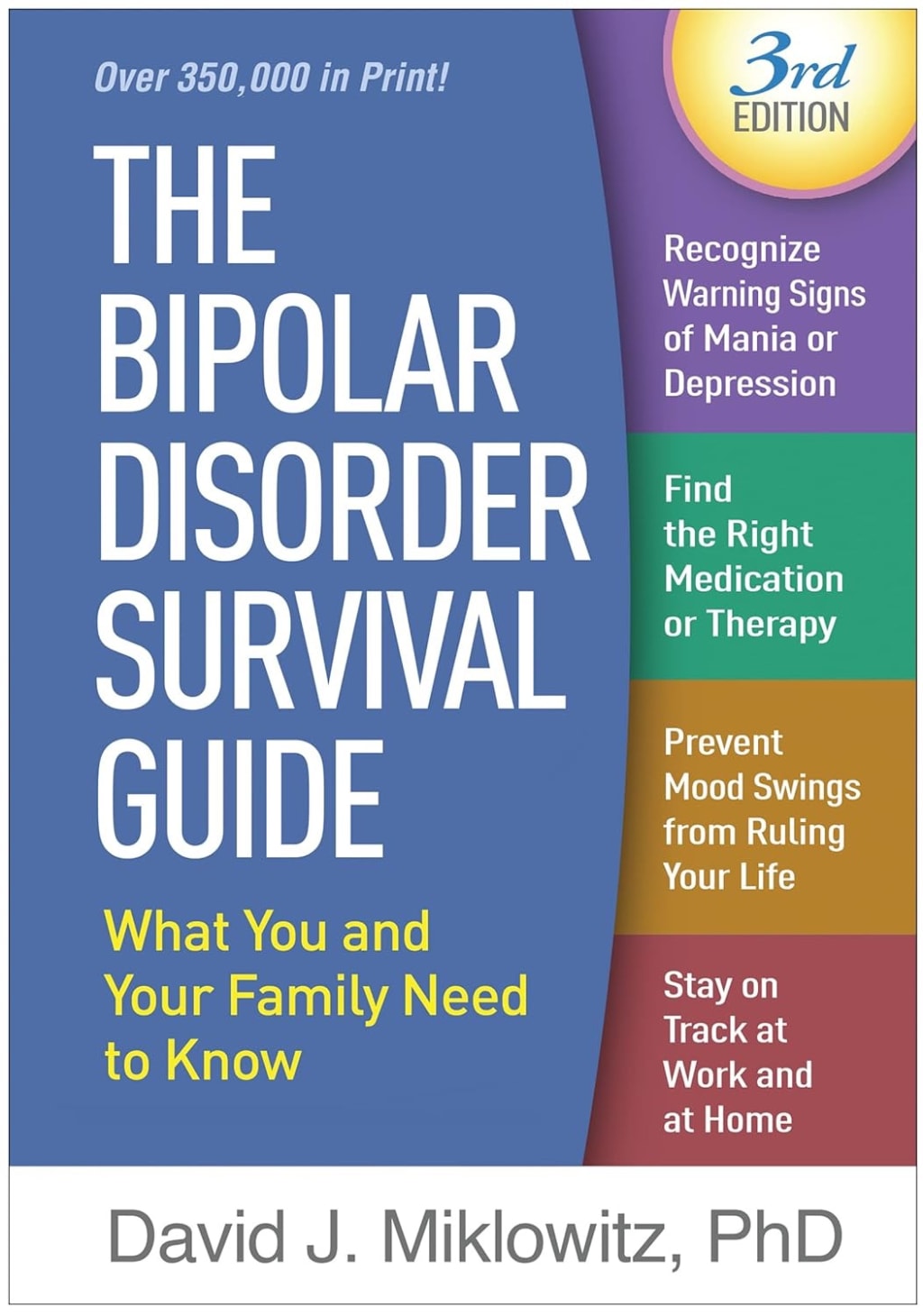
Bipolar disorder affects millions of people worldwide, often leaving them and their loved ones feeling overwhelmed and confused. In "The Bipolar Disorder Survival Guide," David Miklowitz offers a beacon of hope and understanding for those grappling with this complex mental health condition. This review will examine the book through six key points: accessibility, thoroughness, practical strategies, emotional support, the integration of personal stories, and overall impact.
1. Accessibility: One of the standout features of Miklowitz's guide is its accessibility. The book is written in clear, straightforward language, making it approachable for both those with a clinical background and lay readers. Miklowitz avoids overly technical jargon, opting instead for terms that are easy to understand. This is particularly important given the often overwhelming nature of bipolar disorder. The structure of the book is also user-friendly, with clear headings, bullet points, and summaries at the end of each chapter, allowing readers to grasp key concepts quickly.
2. Thoroughness: Miklowitz's work is comprehensive, covering the full spectrum of bipolar disorder. The guide delves into various aspects, including the types of bipolar disorder, symptoms, and treatment options. Miklowitz thoroughly examines the biological, psychological, and social factors that contribute to the disorder, providing readers with a well-rounded understanding. The book discusses the importance of early intervention and outlines how to recognize warning signs, which can empower individuals and their families to take proactive steps in managing the condition.
3. Practical Strategies: Perhaps the most valuable aspect of the book is its focus on practical strategies for managing bipolar disorder. Miklowitz offers a variety of coping mechanisms, including lifestyle changes, medication management, and therapeutic interventions. He emphasizes the importance of creating a personalized treatment plan, encouraging readers to work closely with their healthcare providers. The inclusion of self-monitoring tools, such as mood charts and checklists, equips readers with actionable steps to track their symptoms and triggers. This proactive approach fosters a sense of control, which can be incredibly empowering for those living with bipolar disorder.
4. Emotional Support: Miklowitz doesn’t shy away from discussing the emotional challenges that come with bipolar disorder. He acknowledges the stigma associated with mental illness and the feelings of isolation many individuals experience. Throughout the book, he stresses the importance of building a support network, whether through family, friends, or support groups. The author includes exercises and prompts that encourage readers to reflect on their feelings and connect with others. This focus on emotional support helps to destigmatize the experience of living with bipolar disorder, fostering a sense of community and understanding.
5. Integration of Personal Stories: One of the most compelling aspects of "The Bipolar Disorder Survival Guide" is Miklowitz’s integration of personal stories and testimonials from individuals living with the disorder. These narratives provide real-life context to the information presented, illustrating the diverse experiences of those affected by bipolar disorder. Readers can relate to these stories, finding comfort in shared experiences and gaining insights into the various paths to recovery. This narrative approach not only humanizes the condition but also reinforces the idea that while bipolar disorder is a challenging journey, it is also one that many have navigated successfully.
6. Overall Impact: Ultimately, "The Bipolar Disorder Survival Guide" serves as a vital resource for anyone affected by bipolar disorder, whether directly or indirectly. Miklowitz’s blend of thorough research, practical advice, and empathetic storytelling creates a powerful tool for understanding and managing this complex condition. The book stands out as a vital addition to the literature on bipolar disorder, merging scientific knowledge with real-world applicability.
Conclusion: In conclusion, David Miklowitz's "The Bipolar Disorder Survival Guide" is an essential read for anyone looking to deepen their understanding of bipolar disorder. Its accessibility, thoroughness, practical strategies, focus on emotional support, incorporation of personal stories, and overall impact make it a standout resource. Whether you are living with bipolar disorder, supporting a loved one, or simply seeking to educate yourself about mental health, this guide provides valuable insights and tools for navigating the challenges that lie ahead. With Miklowitz’s compassionate guidance, readers can find hope and direction on their journey toward stability and wellness.
Thank you 🙏
Future of Resilience
About the Creator
Future of Resilience
I enjoy writing book and product review, relationship and parenting blogs. I hope you enjoy my writing. Happy Reading!
Keep reading
More stories from Future of Resilience and writers in BookClub and other communities.
Unlocking the Heart: A Guide to Transforming Your Love Life
Matthew Hussey’s “Love Life” has quickly become a go-to guide for those seeking insight into relationships and personal growth. Known for his charismatic approach to dating advice, Hussey combines humor, psychology, and practical tips to help readers navigate the complexities of love and life. Here’s a detailed review of the book, broken down into six key points.
By Future of Resilience about a year ago in BookClub
My New Book is Finally Here
My poetry collection Beautiful and Brutal Things is done. It's actually done and finally published over 270 pages. Over a year of my life went into this book. More than a year, really. Long days at my computer, sometimes seven days a week because I couldn't stop even when I probably should have. Then two months of editing that felt harder than the writing itself. But it's finished, and I'm still standing, and the book is real.
By Tim Carmichael3 days ago in BookClub
7 Books About Psychology That Are Impossible To Put Down
Psychology is not just an academic discipline—it’s a mirror held up to our inner world. It explains why we think the way we do, why we fall in love, why we sabotage ourselves, and why some habits cling to us like gravity. The best psychology books don’t feel like textbooks; they feel like conversations that change how we see ourselves and others.
By Diana Meresc3 days ago in BookClub
Wild Card Weekend Recap: What Happens Now?
I think I figured out why I love Wild Card Weekend so much. It's because it's the first playoff anything of the calendar year. The NFL season starts in the fall, and once upon a time, the champion was crowned either on or slightly before New Year's. The evolution of the NFL schedule has resulted in the playoffs starting just into the New Year, and currently, the final week of the season falls on the first weekend of the New Year, with Wild Card Weekend coming a week after that. So yes, chronologically, the NFL's Wild Card Weekend serves as the first playoff anything of the calendar year.
By Clyde E. Dawkins7 days ago in Unbalanced




Comments (2)
What a great reference book for mental health counselors and even doctors and psychologists.
Oh wow, this seems like a valuable resource on bipolar disorder, thank you for sharing, Amy!