
Continuous Self-Development is Essential for Great Leader
Great leaders are not born; they are made through dedication, learning, and the constant pursuit of growth. In a world that is evolving faster than ever—technologically, socially, and economically—leaders must embrace continuous self-development to remain effective, relevant, and inspirational
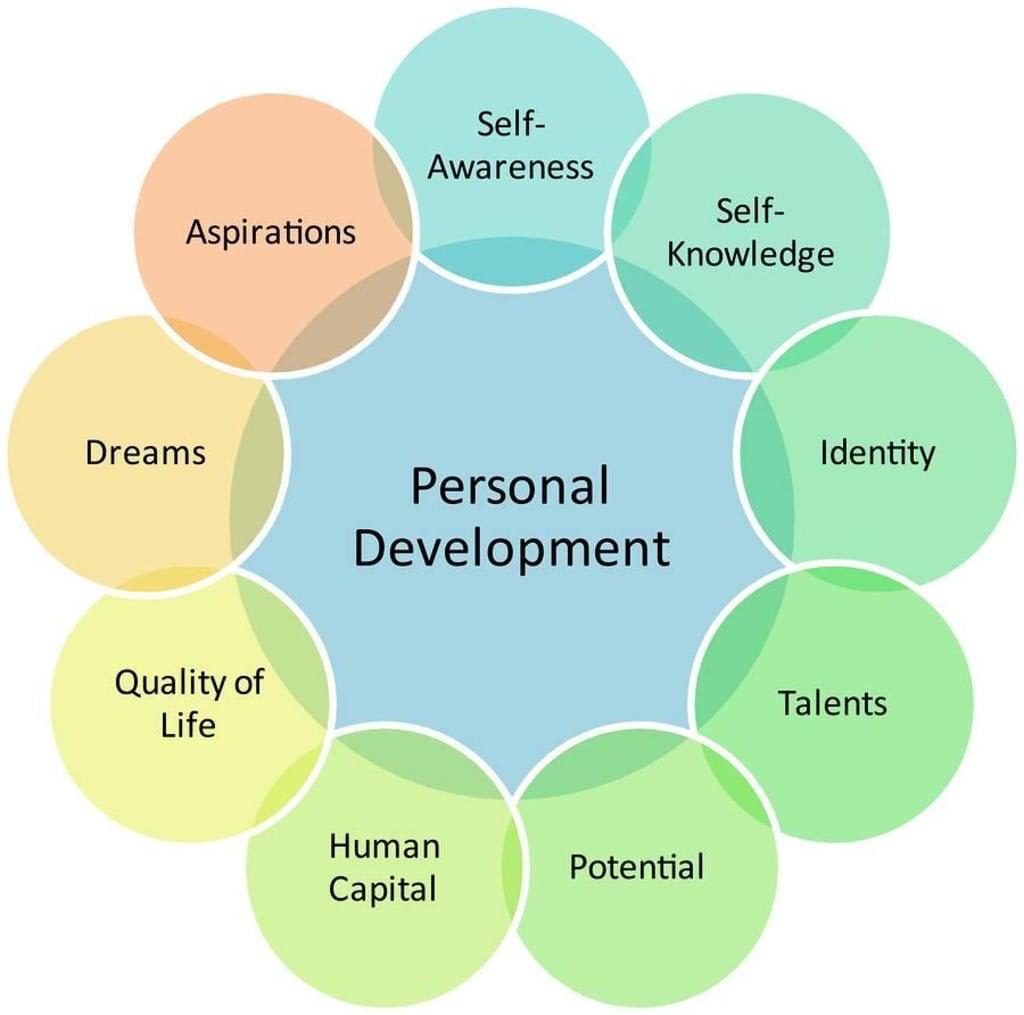
1. The Foundation of Adaptability
Leadership is no longer about having all the answers, but about being flexible and responsive. The most successful leaders understand that what worked yesterday may not work tomorrow. By engaging in continuous self-development—whether through reading, mentorship, courses, or reflection—they build the adaptability needed to face uncertainty with confidence.
2. Modeling Growth Mindset
A great leader sets the tone for their team or organization. When leaders actively seek improvement, they model a growth mindset, showing others that it's not only okay to evolve—it's expected. This creates a culture of curiosity, learning, and resilience.
3. Staying Ahead of Change
Industries shift, markets fluctuate, and technologies emerge rapidly. Leaders who fail to stay current risk falling behind. Continuous self-development ensures leaders remain informed, innovative, and prepared to make strategic decisions that keep their teams ahead of the curve.
4. Emotional Intelligence and Self-Awareness
Self-development isn't just about gaining new knowledge—it's also about deepening self-awareness and emotional intelligence. Great leaders reflect on their actions, seek feedback, and work on their interpersonal skills. This allows them to build stronger relationships, manage conflict effectively, and inspire trust.
5. Boosting Confidence and Credibility
Leaders who invest in their own growth project confidence and competence. Their teams are more likely to trust and respect them because they demonstrate a commitment to excellence—not just in others, but in themselves.
Continuous Self-Development is Essential for Great Leaders
A leader's responsibilities have expanded beyond traditional bounds in an era of swift technical breakthroughs and changing market dynamics. They are no longer limited to making high-level decisions or managing operations. Leaders of today need to exhibit flexibility, vision, and an unwavering dedication to self development. Continuous self development, or a purposeful, continuing endeavor to improve one's abilities, knowledge, and emotional intelligence, is at the core of this transformative leadership style. Great leaders understand that their capacity to motivate, invent, and handle complexity depends on a lifetime of learning and self development rather than static competence.
Adapting to Change: The Imperative of Agility
VUCA stands for volatility, uncertainty, complexity, and ambiguity, and it characterizes the current corporate environment. Leaders who stick to antiquated practices run the danger of becoming obsolete. Think about the profound changes brought about by global supply chain disruptions, remote labor, and artificial intelligence. To guide companies through these challenges, leaders need to remain knowledgeable and flexible. They can predict trends, change tactics, and make data-driven decisions thanks to ongoing learning and self development. For instance, Satya Nadella rejuvenated Microsoft by embracing cloud computing and artificial intelligence (AI) and changing the company's culture from one of "know-it-all" to "learn-it-all." Leaders turn uncertainty into opportunity by putting growth first in self development.
Fostering Innovation: The Creative Edge
Where curiosity is fostered, innovation flourishes. Self-development leaders expose themselves to a variety of viewpoints, whether through mentoring, reading across disciplines, or investigating cutting-edge technology. Creative solutions are frequently sparked by this intellectual curiosity. Steve Jobs famously said that a calligraphy class he audited was responsible for Apple's superior design, which subsequently impacted the Mac's typography. By consistently broadening their perspectives, leaders make connections between seemingly disparate ideas, leading to innovations that distinguish their companies. Teams are empowered to experiment and take measured risks when there is a culture of learning and self development that permeates the organization.
Emotional Intelligence: The Heart of Leadership
Great leadership is more than just technical proficiency. Self-awareness, empathy, and relationship management are all components of emotional intelligence (EQ), and they are equally important. EQ is developed by leaders via self-reflection,self development criticism, and mindfulness exercises. Examine a manager who, following coaching, enhances communication, resulting in increased team morale and output. According to Daniel Goleman's studies, over 90% of what distinguishes exceptional leaders is EQ. By developing these "soft skills," leaders create inclusive settings where a range of abilities flourish, settle problems, and establish trust.
Inspiring Teams: Leading by Example
Leaders that place a high priority on growth establish an example for the organization to follow. When workers observe their leaders making educational investments, asking for criticism, or owning up to their mistakes, they are more inclined to support their own growth in self development . Google's renowned "20% time" philosophy and emphasis on lifelong learning encourage staff members to work on side projects, which results in inventions like Gmail. In addition to increasing engagement, these strategies draw in top talent that is ready to advance. A leader's dedication to personal development communicates that advancement, not perfection, is the aim.
Sustaining Success: The Long Game
Longevity is hampered by complacency. Businesses that rely too much on their prior successes frequently fail when markets change. By encouraging resilience and strategic foresight, leaders may avoid stagnation via ongoing self-development. This idea is best shown by Toyota's "Kaizen" philosophy of gradual improvement, which incorporates innovation into day-to-day operations. Leaders who continuously improve their skills are better able to spot new possibilities and dangers, which keeps their companies competitive. Additionally, lifelong learners leave a legacy of flexibility, equipping next leaders to face unfamiliar challenges.
Conclusion: The Journey, Not the Destination
Being a leader is a dynamic journey rather than a fixed title. Effective leadership is built on ongoing self-development in a world where change is the only constant. Leaders that embrace learning, develop emotional intelligence, and encourage creativity not only overcome obstacles but also motivate their staff to do greater things. One characteristic unites the best leaders, from historical luminaries like Benjamin Franklin to modern-day idols like Indra Nooyi: an unquenchable desire for progress. Future leaders need to understand that their personal development is linked to the success of their company. The message is unmistakable: Invest in yourself, and the benefits will go beyond personal success to leave a legacy of tenacity, creativity, and long-lasting influence.
About the Creator
Keep reading
More stories from writers in BookClub and other communities.
My New Book is Finally Here
My poetry collection Beautiful and Brutal Things is done. It's actually done and finally published over 270 pages. Over a year of my life went into this book. More than a year, really. Long days at my computer, sometimes seven days a week because I couldn't stop even when I probably should have. Then two months of editing that felt harder than the writing itself. But it's finished, and I'm still standing, and the book is real.
By Tim Carmichael7 days ago in BookClub
7 Personal Finance Books You Need To Read In 2026
Managing money well isn’t about being born wealthy or having an advanced degree in economics. It’s about understanding behavior, building systems, and making intentional choices over time. In a world where debt is normalized, investing feels intimidating, and financial advice is often contradictory, personal finance books remain one of the most reliable ways to gain clarity and confidence.
By Diana Meresca day ago in BookClub




Comments (1)
Amazing 💗keep doing 👍🏻