
Books About Books: Nonfiction
Want to know more about the history of books and literature? Check out these titles!
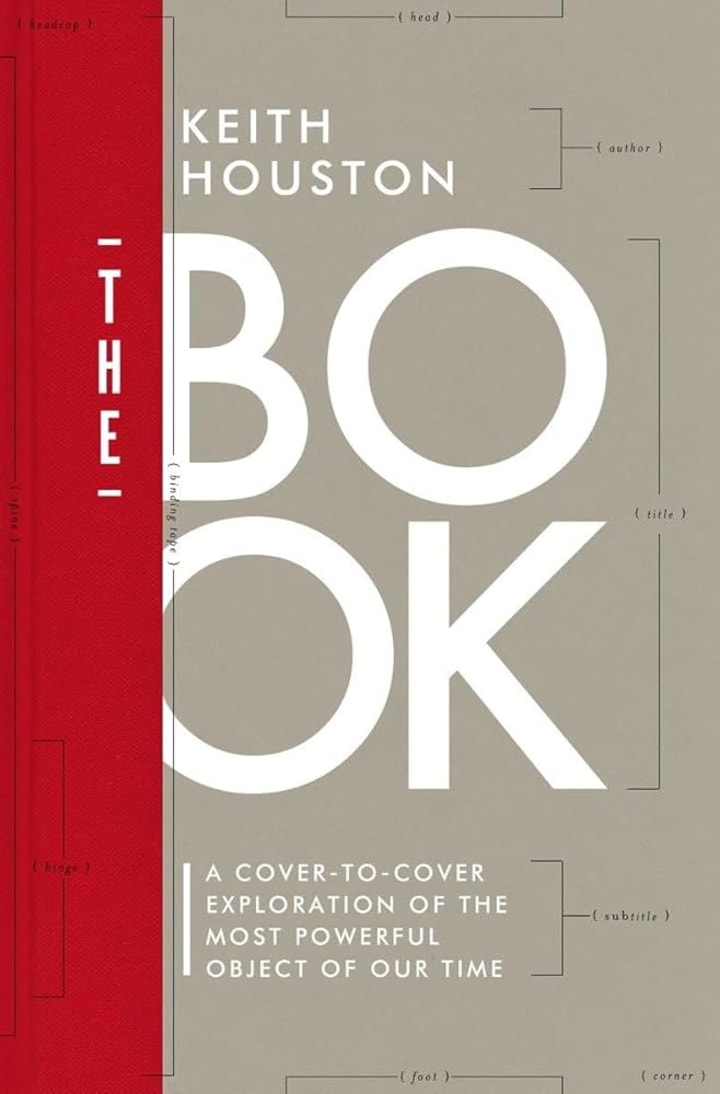
We may love books, but do we know what lies behind them? In The Book, Keith Houston reveals that the paper, ink, thread, glue, and board from which a book is made tell as rich a story as the words on its pages--of civilizations, empires, human ingenuity, and madness. In an invitingly tactile history of this 2,000-year-old medium, Houston follows the development of writing, printing, the art of illustrations, and binding to show how we have moved from cuneiform tablets and papyrus scrolls to the hardcovers and paperbacks of today. Sure to delight book lovers of all stripes with its lush, full-color illustrations, The Book gives us the momentous and surprising history behind humanity's most important--and universal--information technology.
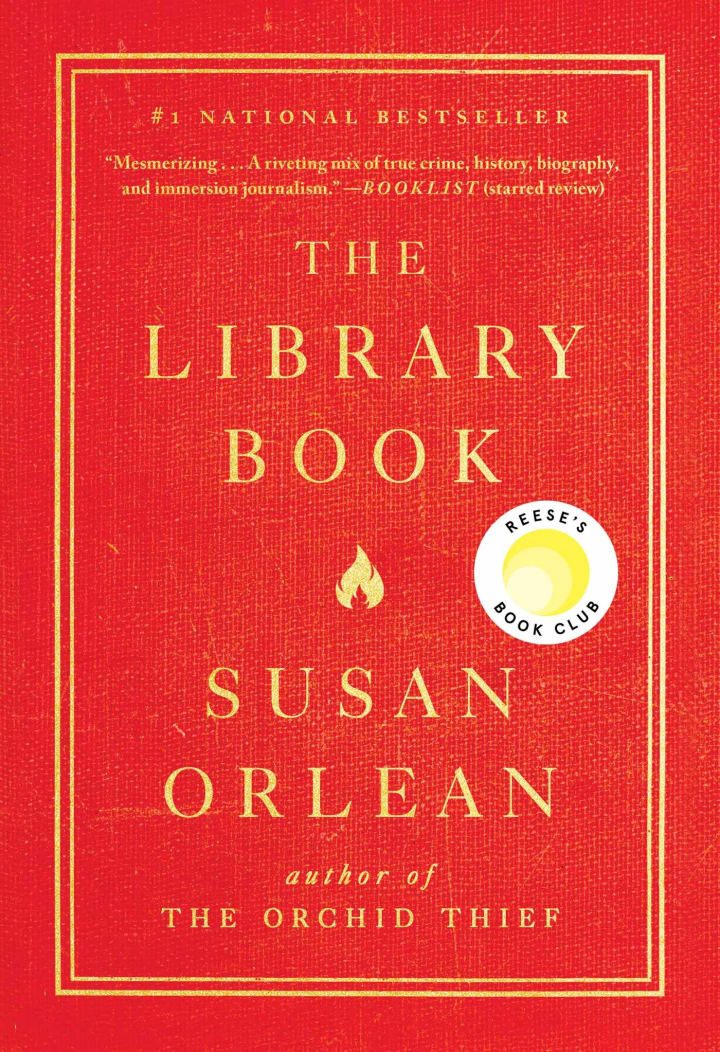
The author reopens the unsolved mystery of the most catastrophic library fire in American history. This book chronicles the Los Angeles Public Library (LAPL) fire, and its aftermath, to showcase the crucial role that libraries play in our lives. The author delves into the evolution of libraries around the world, from their humble beginnings to their status as a cornerstone of the community; brings the departments of the library to life through on-the-ground reporting; reflects on her own experiences in libraries; and reexamines the case of Harry Peak, the actor long suspected of setting fire to the LAPL. The fire was disastrous: it reached 2000 degrees and burned for more than seven hours. By the time it was extinguished, it had consumed four hundred thousand books and damaged seven hundred thousand more. Investigators descended on the scene, but more than thirty years later, the mystery remains: Did someone purposefully set fire to the library? In addition to examining the circumstances of the fire, the author delves into the history of the LAPL. The book introduces us to a cast of characters from libraries past and present - from Mary Foy; who in 1880 at eighteen years old was named the head of the LAPL at a time when men still dominated the role, to Dr. C.J.K. Jones, "The Human Encyclopedia," who roamed the library dispensing information. The book introduces readers to Charles Lummis, an eccentric journalist and adventurer who was determined to make the L.A. library one of the best in the world, and to the staff in the twenty-first century, who work every day to ensure that their institution remains a vital part of the city it serves.--adapted from publisher's description and end-papers.
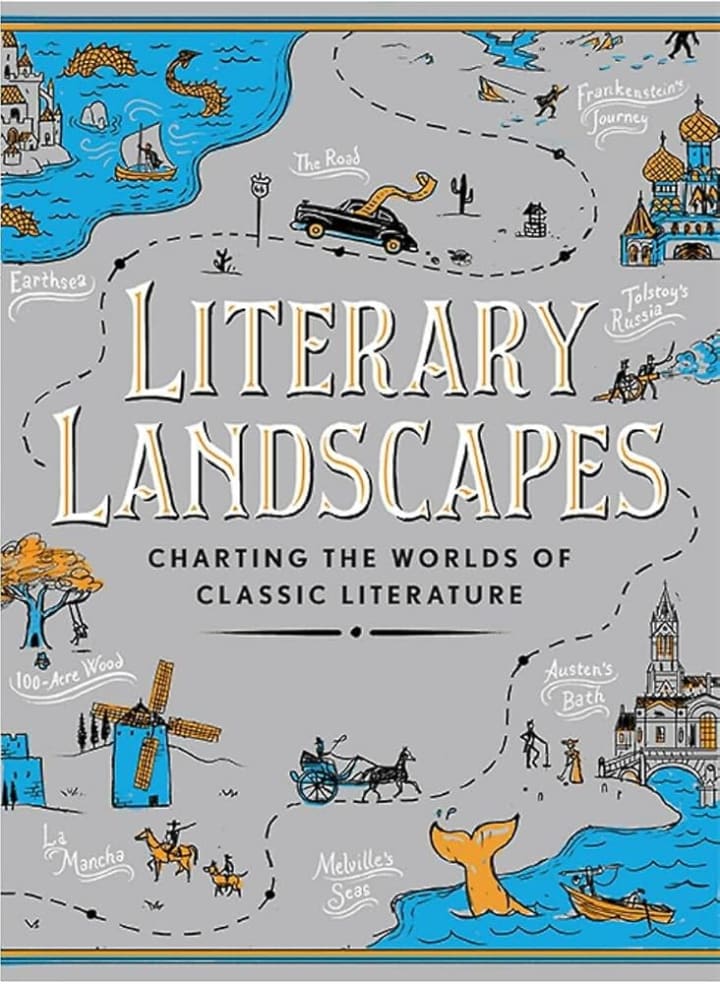
LITERARY LANDSCAPES delves deep into the geography, location, and terrain of our best-loved literary works and looks at how setting and environmental attributes influence storytelling, character, and our emotional response as readers. Fully illustrated with hundreds of full-color images throughout. Some stories couldn't happen just anywhere. As is the case with all great literature, the setting, scenery, and landscape are as central to the tale as any character, and just as easily recognized. LITERARY LANDSCAPES brings together more than 50 literary worlds and examines how their description is intrinsic to the stories that unfold within their borders. Follow Leopold Bloom's footsteps around Dublin. Hear the music of the Mississippi River steamboats that set the score for Huckleberry Finn. Experience the rugged bleakness of New Foundland in Annie Proulx's The Shipping News or the soft Neapolitan breezes in My Brilliant Friend. The landscapes of enduring fictional characters and literary legends are vividly brought to life, evoking all the sights and sounds of the original works. LITERARY LANDSCAPES will transport you to the fictions greatest lands and allow you to connect to the story and the author's intent in a whole new way.
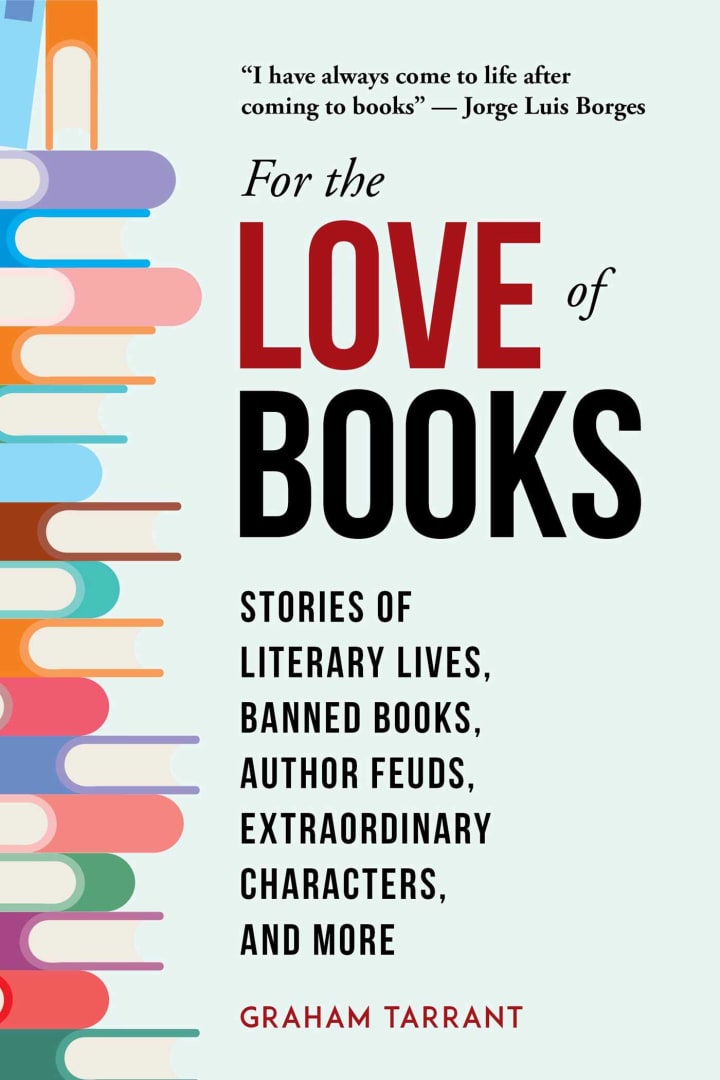
A light-hearted book about books and the people who write them for all lovers of literature. Do you know: Which famous author died of caffeine poisoning? Why Alice's Adventures in Wonderland was banned in China? Who was the first British writer to win the Nobel Prize in Literature? What superstitions Truman Capote kept whenever he wrote? Who the other Winston Churchill was? A treasure trove of compelling facts, riveting anecdotes, and extraordinary characters, For the Love of Books is a book about books--and the inside stories about the people who write them. Learn how books evolved, what lies behind some of the greatest tales ever told, and who's really who in the world of fiction. From banned books to famous feuding authors, from literary felons to rejected masterpieces, from tips for aspiring writers to stand-out book lists for readers to catch up on, For the Love of Books is a celebration of the written word and an absolute page-turner for any book lover. Read all about it!
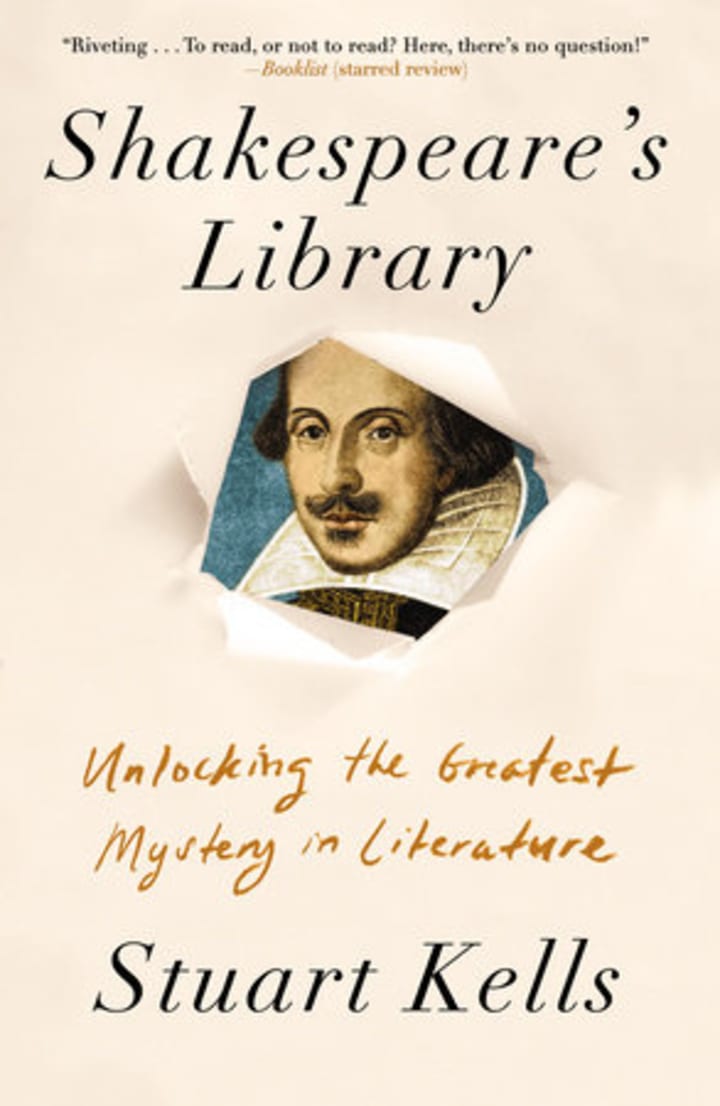
Millions of words of scholarship have been expended on the world's most famous author and his work. And yet a critical part of the puzzle, Shakespeare's library, is a mystery. For four centuries people have searched for it: in mansions, palaces and libraries; in riverbeds, sheep pens and partridge coops; and in the corridors of the mind. Yet no trace of the bard's manuscripts, books or letters has ever been found. The search for Shakespeare's library is much more than a treasure hunt. Knowing what the Bard read informs our reading of his work, and it offers insight into the mythos of Shakespeare and the debate around authorship. The library's fate has profound implications for literature, for national and cultural identity, and for the global Shakespeare industry. It bears on fundamental principles of art, identity, history, meaning and truth.
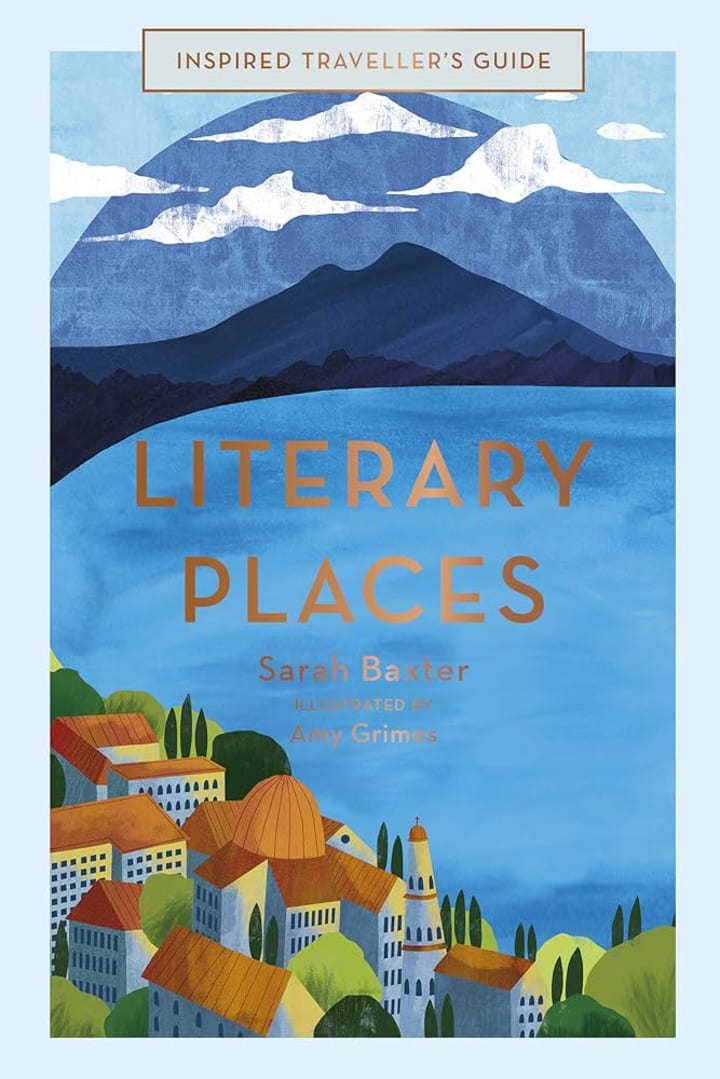
Explore the landscapes and places that inspired great novels! Each of the 25 essays in the book briefly introduces you to the location, the era, and the history behind the story. Accompanied by a color drawing of the location, these destinations become characters in their own rights, rising up from behind the scenes to take center stage.
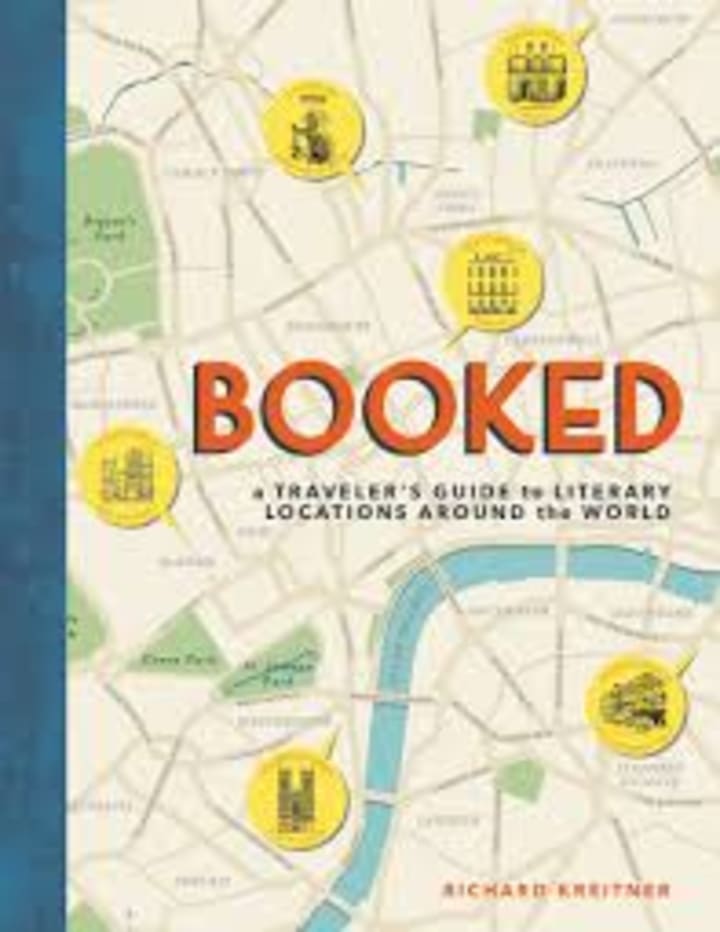
A must-have for every fan of literature, Booked inspires readers to follow in their favorite characters footsteps by visiting the real-life locations portrayed in beloved novels including the Monroeville, Alabama courthouse in To Kill a Mockingbird, Chatsworth House, the inspiration for Pemberley in Pride and Prejudice, and the Kyoto Bridge from Memoirs of a Geisha. The full-color photographs throughout reveal the settings readers have imagined again and again in their favorite books. Organized by regions all around the world, author Richard Kreitner explains the importance of each literary landmark including the connection to the author and novel, cultural significance, historical information, and little-known facts about the location. He also includes travel advice like addresses and must-see spots. Booked features special sections on cities that inspired countless literary works like a round of locations in Brooklyn from Betty Smith's iconic A Tree Grows in Brooklyn to Jonathan Lethem's Motherless Brooklyn and a look at the New Orleans of Tennessee Williams and Anne Rice. Locations include: Central Park, NYC (The Catcher in the Rye, JD Salinger), Forks, Washington (Twilight, Stephanie Meyer), Prince Edward Island, Canada (Anne of Green Gables, Lucy Maud Montgomery), Kingston Penitentiary, Ontario (Alias Grace, Margaret Atwood), Holcomb, Kansas (In Cold Blood, Truman Capote), London, England (White Teeth, Zadie Smith), Paris, France (Hunchback of Notre Dame, Victor Hugo), Segovia, Spain, (For Whom the Bell Tolls, Ernest Hemingway), and Kyoto, Japan (Memoirs of a Geisha, Arthur Golden).
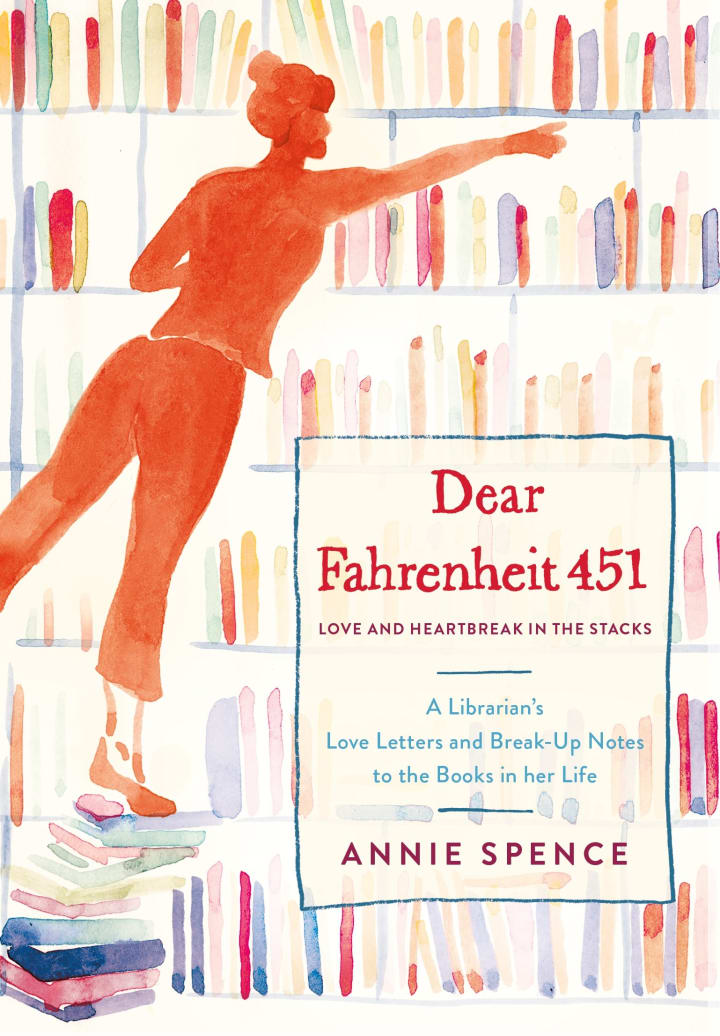
If you love to read, and presumably you do since you've picked up this book, you know that some books affect you so profoundly they forever change the way you think about the world. Some books, on the other hand, disappoint you so much you want to throw them against the wall. Either way, it's clear that a book can be your new soul mate or the bad relationship you need to end. In Dear Fahrenheit 451, librarian Annie Spence has crafted love letters and breakup notes to the iconic and eclectic books she has encountered over the years. From breaking up with The Giving Tree (a dysfunctional relationship book if ever there was one), to her love letter to The Time Traveler's Wife (a novel less about time travel and more about the life of a marriage, with all of its ups and downs), Spence will make you think of old favorites in a new way. Filled with suggested reading lists, Spence's take on classic and contemporary books is very much like the best of literature sometimes laugh-out-loud funny, sometimes surprisingly poignant, and filled with universal truths. A celebration of reading, Dear Fahrenheit 451 is for anyone who loves nothing more than curling up with a good book...and another, and another, and another!
A short paper explaining the history of books and the history of libraries in relation to each other.
About the Creator
Kristen Barenthaler
Curious adventurer. Crazed reader. Librarian. Archery instructor. True crime addict.
Instagram: @kristenbarenthaler
Facebook: @kbarenthaler
Keep reading
More stories from Kristen Barenthaler and writers in BookClub and other communities.
Books About Books: Fantasy
The Invisible Library by Genevieve Cogman Collecting books can be a dangerous prospect in this fun, time-traveling, fantasy adventure from a spectacular debut author. One thing any Librarian will tell you: the truth is much stranger than fiction... Irene is a professional spy for the mysterious Library, a shadowy organization that collects important works of fiction from all of the different realities. Most recently, she and her enigmatic assistant Kai have been sent to an alternative London. Their mission: Retrieve a particularly dangerous book. The problem: By the time they arrive, it's already been stolen. London's underground factions are prepared to fight to the death to find the tome before Irene and Kai do, a problem compounded by the fact that this world is chaos-infested--the laws of nature bent to allow supernatural creatures and unpredictable magic to run rampant. To make matters worse, Kai is hiding something--secrets that could be just as volatile as the chaos-filled world itself. Now Irene is caught in a puzzling web of deadly danger, conflicting clues, and sinister secret societies. And failure is not an option--because it isn't just Irene's reputation at stake, it's the nature of reality itself.
By Kristen Barenthaler9 months ago in BookClub
My New Book is Finally Here
My poetry collection Beautiful and Brutal Things is done. It's actually done and finally published over 270 pages. Over a year of my life went into this book. More than a year, really. Long days at my computer, sometimes seven days a week because I couldn't stop even when I probably should have. Then two months of editing that felt harder than the writing itself. But it's finished, and I'm still standing, and the book is real.
By Tim Carmichael5 days ago in BookClub
7 Fiction Books That Will Make You Want To Read More Fiction
Fiction has a quiet superpower. It slips past our defenses, invites us into other lives, and leaves us changed—more curious, more compassionate, more alive to possibility. If you’ve ever finished a novel and felt that unmistakable pull to start another immediately, you know the magic we’re talking about. Below is a list of 7 fiction books that will make you want to read more fiction. These are stories that hook reluctant readers, reignite lapsed bookworms, and remind avid readers why fiction matters.
By Diana Merescabout 16 hours ago in BookClub




Comments
There are no comments for this story
Be the first to respond and start the conversation.