
Introduction
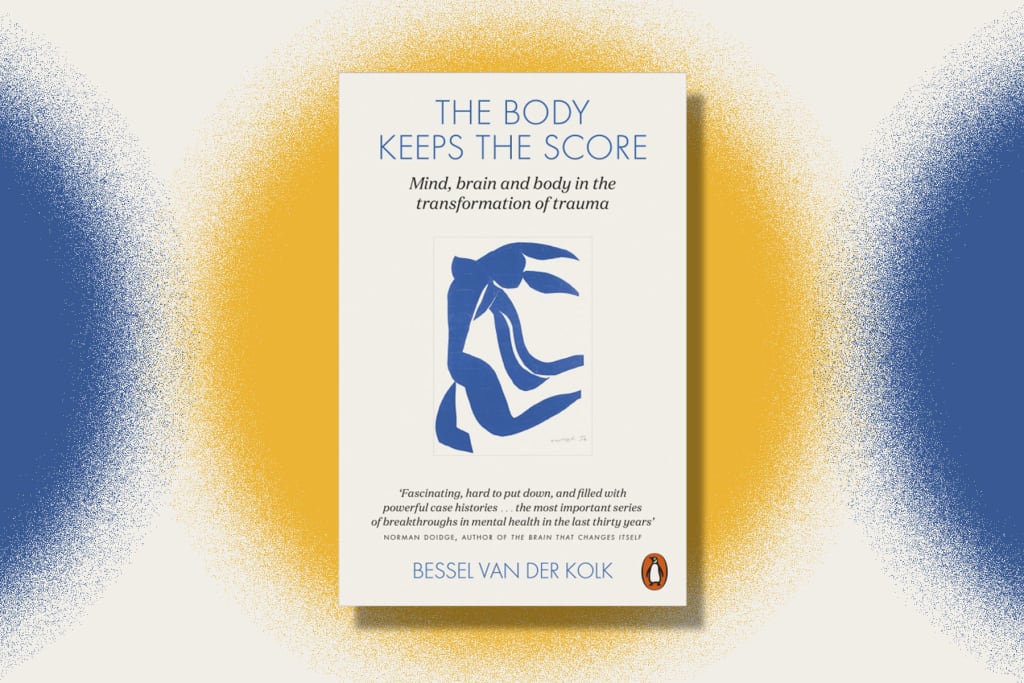
In "The Body Keeps the Score," Dr. Bessel van der Kolk, a pioneering psychiatrist and trauma researcher, explores the profound impact trauma has on both the mind and body. The book delves into how traumatic experiences are encoded in the body and the brain, affecting mental health and overall well-being. Dr. van der Kolk presents a compelling argument that understanding and addressing these effects is crucial for healing. The book synthesizes decades of research with clinical insights and real-life case studies, offering a comprehensive view of trauma's effects and innovative treatment approaches.

Chapter 1: "The Rediscovery of Trauma"
This chapter introduces the concept of trauma and its long-overlooked significance in mental health. Dr. van der Kolk discusses how trauma has historically been misunderstood or dismissed, with early psychiatric theories often failing to acknowledge its deep-seated impact. He explores the pioneering work of figures like Pierre Janet and Sigmund Freud, who began to uncover the effects of trauma on mental health. The chapter sets the stage for understanding trauma as a complex and pervasive condition that affects not just the mind but also the body.
Chapter 2: "Revolutions in Understanding the Brain"
Here, Dr. van der Kolk explains how advances in neuroscience have transformed our understanding of trauma. He describes the brain's response to trauma, including changes in brain structure and function. The chapter covers the role of the amygdala, hippocampus, and prefrontal cortex in processing and storing traumatic memories. Dr. van der Kolk highlights how trauma can alter these brain areas, leading to symptoms such as hypervigilance, flashbacks, and emotional dysregulation.
Chapter 3: "The Body Remembers: The Psychobiology of Trauma"
This chapter focuses on the physiological aspects of trauma. Dr. van der Kolk emphasizes that trauma is not just a psychological issue but also a physical one. He explores how traumatic experiences can lead to chronic stress responses, affecting the body's endocrine system, immune system, and autonomic nervous system. The chapter introduces the concept of the "body keeps the score," explaining how trauma manifests in physical symptoms and conditions, such as chronic pain and autoimmune disorders.

Chapter 4: "Running for Your Life: The Anatomy of Trauma"
Dr. van der Kolk delves into the body's natural stress response, often referred to as the "fight or flight" mechanism. He explains how this response, when triggered repeatedly or inappropriately, can lead to long-term health issues. The chapter also discusses how traumatic events can disrupt the body's ability to regulate stress, leading to problems like anxiety, depression, and dissociation. Dr. van der Kolk illustrates these points with case studies and examples from his clinical practice.
Chapter 5: "Body-Brain Connections: The Role of Mindfulness"
In this chapter, Dr. van der Kolk explores the role of mindfulness and other body-based therapies in trauma recovery. He discusses how practices like yoga, meditation, and somatic experiencing can help individuals reconnect with their bodies and regulate their stress responses. The chapter highlights research showing that these approaches can significantly reduce symptoms of trauma and improve overall well-being. Dr. van der Kolk emphasizes the importance of integrating these practices into traditional therapeutic approaches for a holistic treatment plan.
Chapter 6: "The Power of the Group: Social Support and Trauma Recovery"
Dr. van der Kolk examines the role of social support and group therapy in healing from trauma. He argues that connection with others is crucial for trauma recovery, as social support helps individuals feel safe and understood. The chapter discusses various forms of group therapy, including support groups and trauma-focused groups, and how they can facilitate healing. Dr. van der Kolk provides examples of successful group therapy interventions and the positive impact of social connections on trauma recovery.
Chapter 7: "The Trauma of the Body: The Role of Somatic Therapies"
This chapter focuses on somatic therapies, which address the physical manifestations of trauma. Dr. van der Kolk discusses techniques like Sensorimotor Psychotherapy and Somatic Experiencing, which help individuals process and release trauma stored in the body. He explains how these therapies can help patients regain a sense of agency and control over their bodies. The chapter also highlights the importance of addressing both the mind and body in trauma treatment for comprehensive healing.

Chapter 8: "The Power of the Narrative: Trauma and Storytelling"
Dr. van der Kolk explores the therapeutic power of storytelling and narrative in trauma recovery. He discusses how articulating one's trauma through writing or verbal expression can help individuals make sense of their experiences and integrate them into their life stories. The chapter emphasizes the role of narrative in reshaping one's identity and self-concept, which can be particularly empowering for trauma survivors. Dr. van der Kolk also presents case studies illustrating the benefits of narrative therapy.
Chapter 9: "Beyond Talk Therapy: Integrative Approaches to Trauma"
In this chapter, Dr. van der Kolk advocates for integrating various therapeutic approaches to address trauma effectively. He argues that traditional talk therapy alone may not be sufficient for trauma recovery and highlights the benefits of combining different modalities. The chapter reviews various therapeutic approaches, including cognitive-behavioral therapy (CBT), eye movement desensitization and reprocessing (EMDR), and body-oriented therapies. Dr. van der Kolk emphasizes the need for a personalized and multi-faceted treatment approach to meet individual needs.
Chapter 10: "The Future of Trauma Treatment: Innovations and Challenges"
The final chapter looks toward the future of trauma treatment, exploring emerging therapies and ongoing challenges in the field. Dr. van der Kolk discusses new research and innovative approaches that show promise in trauma recovery. He also addresses challenges such as the need for increased awareness and resources for trauma treatment, as well as the importance of continuing to refine and expand therapeutic methods. The chapter ends on a hopeful note, emphasizing the potential for progress and the importance of ongoing research and advocacy.
Conclusion
"The Body Keeps the Score" offers a profound exploration of how trauma impacts both the mind and body. Dr. Bessel van der Kolk combines scientific research with clinical experience to provide a comprehensive understanding of trauma and its effects. The book emphasizes the need for an integrated approach to trauma treatment, combining traditional therapies with body-based and narrative therapies. By highlighting the complex interplay between trauma and physical health, Dr. van der Kolk provides valuable insights and practical strategies for healing and recovery.
** Affiliate Disclosure** This article contains affiliate links, meaning that we will receive a small commission at no added cost to you as part of our partnership with Amazon.
About the Creator
Keep reading
More stories from writers in BookClub and other communities.
My New Book is Finally Here
My poetry collection Beautiful and Brutal Things is done. It's actually done and finally published over 270 pages. Over a year of my life went into this book. More than a year, really. Long days at my computer, sometimes seven days a week because I couldn't stop even when I probably should have. Then two months of editing that felt harder than the writing itself. But it's finished, and I'm still standing, and the book is real.
By Tim Carmichael10 days ago in BookClub
THE EMBER AND THE ECHOES
Episode 12: The Descent The garderobe chute was a vertical tomb of slime and centuries of decay. Kaelen slid, bracing himself with elbows and knees against the slick stone, the stench of ancient waste a tangible presence. The ringing in his ears from Kaelan’s silencing blast began to fade, replaced by the rush of blood and a distant, thunderous roar.
By Akua Anita3 days ago in BookClub




Comments
There are no comments for this story
Be the first to respond and start the conversation.