
Atomic Habit
This is a summary of Atomic Habit by James Clear

James Clear's bestselling self-help book "Atomic Habits: An Easy & Proven Way to Build Good Habits & Break Bad Ones" presents a complete framework for understanding and modifying habits. throughout around 2000 words, we will summarise the essential themes and ideas covered throughout the book.
Introduction
Habits are the foundation of our daily life. They influence our behaviours, behaviours, and, ultimately, our results. "Atomic Habits" begins by emphasising the importance of habits in personal and professional success. Small modifications, or atomic habits, according to James Clear, can lead to extraordinary alterations over time.
Part I: The Fundamentals
Chapter 1: The Surprising Power of Atomic Habits
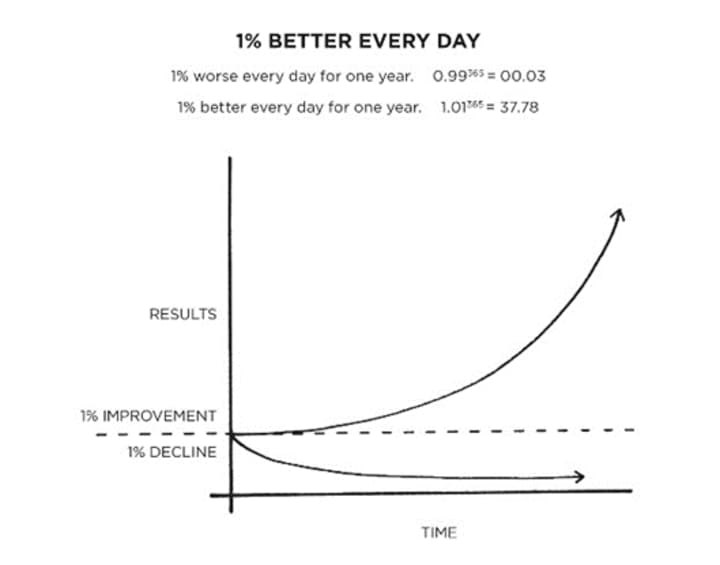
The idea of atomic habits, which are small adjustments that add up to meaningful outcomes, is introduced by Clear. He emphasises that habits are the self-improvement equivalent of compound interest. Small adjustments made repeatedly can produce amazing long-term change.
Chapter 2: How Your Habits Shape Your Identity (and Vice Versa)
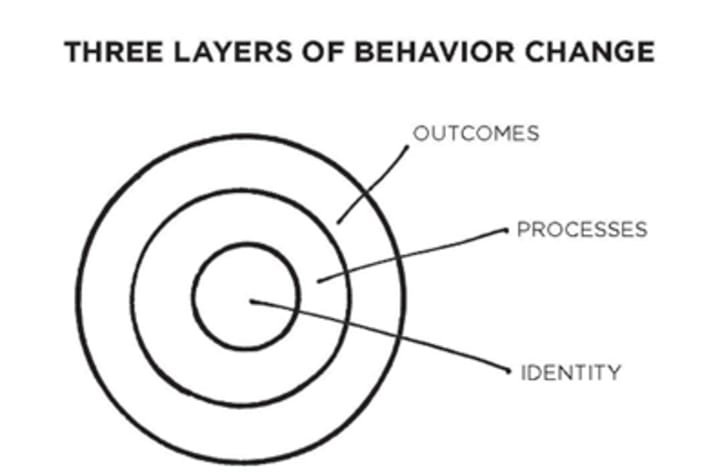
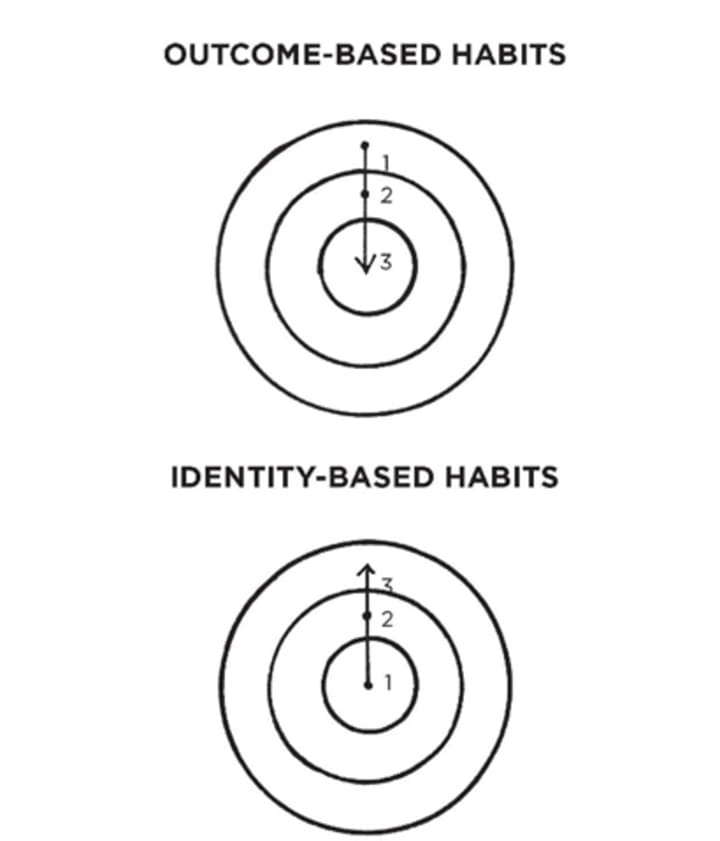
The connection between habits and identity is discussed by Clear. He contends that altering one's identity and beliefs is the key to long-lasting change. He proposes the idea of the "two-step process" for habit change: choose the kind of person you want to be and gain modest victories to show it to yourself.
Chapter 3: How to Build Better Habits in 4 Simple Steps
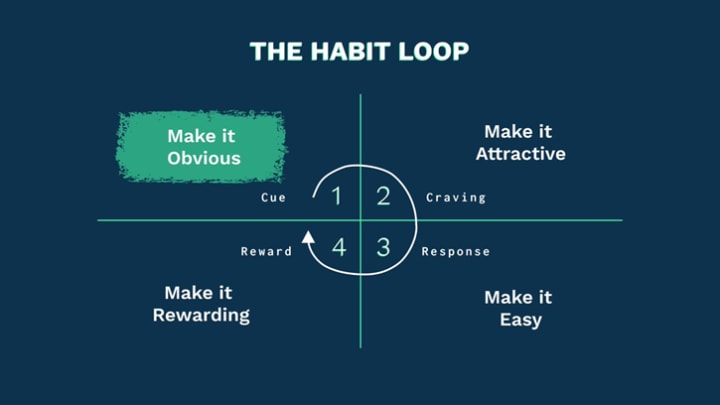
Cue, Craving, Response, and Reward are the four stages of habit formation, according to Clear. He emphasises how important it is to comprehend these elements in order to form healthy habits and break negative ones.
Chapter 4: The Man Who Didn't Look Right
Dave Brailsford, the coach who revolutionised British cycling, is the subject of the book Clear. Brailsford's method, also known as the "aggregation of marginal gains," emphasised small incremental improvements that added up to a substantial overall improvement. This idea is used to the establishment of habits in Clear.
Part II: Make It Obvious
Chapter 5: The 1st Law: Make It Obvious
Make it obvious - this is the first rule of habit change. In Clear, the topic of clarity and how to recognize signs that set off your habits are covered. He defines "habit stacking," which is the process of connecting a new habit to an old one.
Chapter 6: The 2nd Law: Make It Attractive
Create appeal is the second rule. In his book, Clear discusses the function of craving in habit development and how to make healthy behaviours more appealing. He introduces the idea of "temptation bundling," which is combining a needy task with a desirable one.
Part III: Make It Easy
Chapter 7: The 3rd Law: Make It Easy
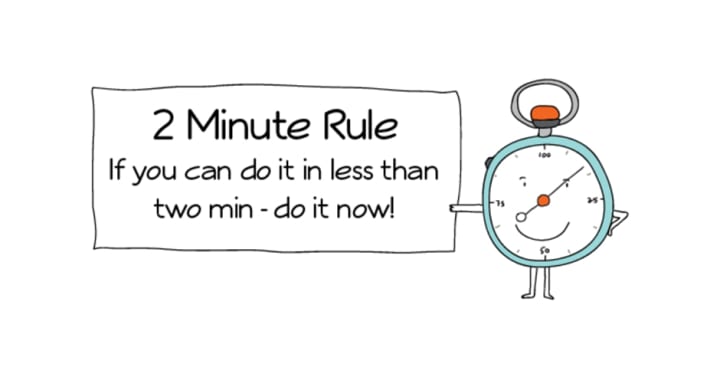
Make it simple is the third rule. By removing obstacles and friction, Clear demonstrates how to make it easier to practise beneficial behaviours. The "two-minute rule," which advises beginning a new habit with an action that takes less than two minutes, is a concept he offers.
Chapter 8: How to Stop Procrastinating by Using the Two-Minute Rule
In his book Clear, the two-minute rule is used to examine the psychology of procrastination and how it might be defeated. He stresses the significance of making the first, modest move to start a habit.
Chapter 9: The 4th Law: Make It Satisfying
The fourth rule is to ensure satisfaction. In his book, Clear covers the subject of habit building and how to feel satisfied after performing a habit. He describes "habit tracking" as a way to graphically track development.
Part IV: Make It Motivating
Chapter 10: The 5th Law: Make It Motivating
Make it motivating is the fifth rule. By employing reinforcement and responsibility, Clear discusses how to keep long-term motivation high. He explores the influence of social influence and presents the idea of "habit contracts".
Part V: Advanced Tactics
Chapter 11: The Best Way to Start a New Habit
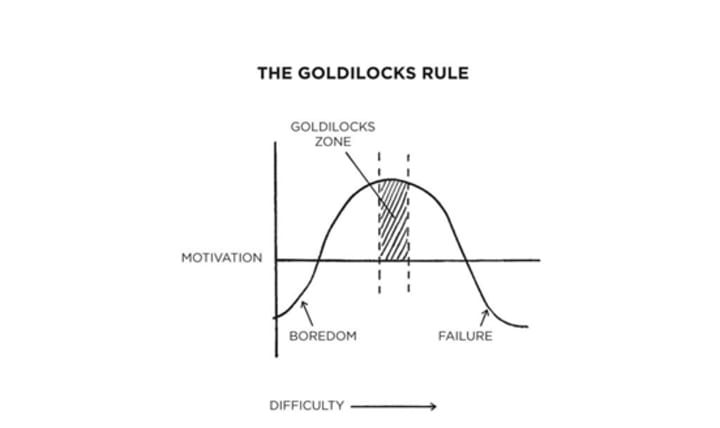
The "Goldilocks Rule," according to Clear, suggests that routines work best when they are difficult but doable. He stresses the value of monitoring development and gradually changing behaviours.
Chapter 12: How to Stick with Good Habits Every Day
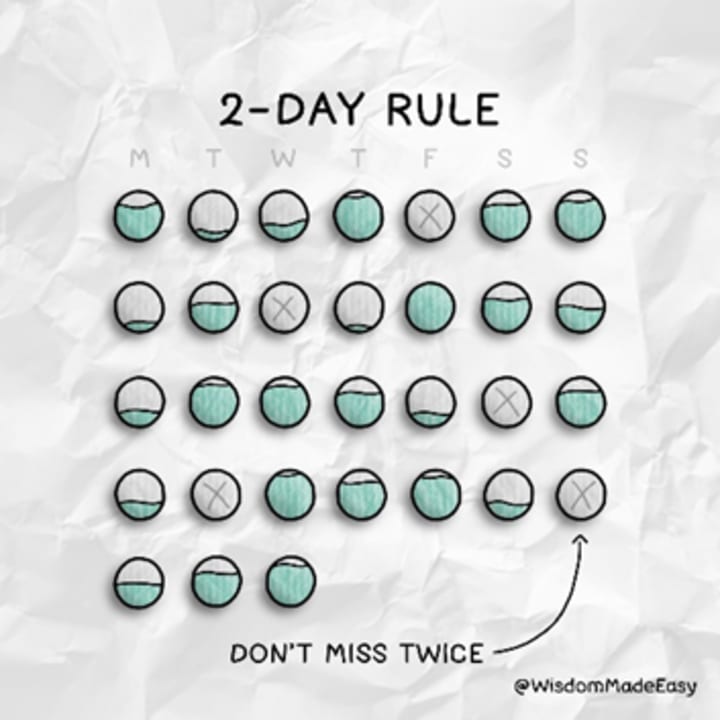
The "never miss twice" rule and the "implementation intention" methodology are just two of the methods that Clear suggests for creating enduring habits. He emphasises how consistency helps people build habits.

Chapter 13: The Secret to Results That Last
Clear addresses the concept of "exit barriers," which are impediments that prevent you from giving up healthy routines. He also looks at identity-based practises and how they can result in long-lasting change.
Part VI: The Laws of Behaviour Change in Action
Chapter 14: How to Break a Bad Habit
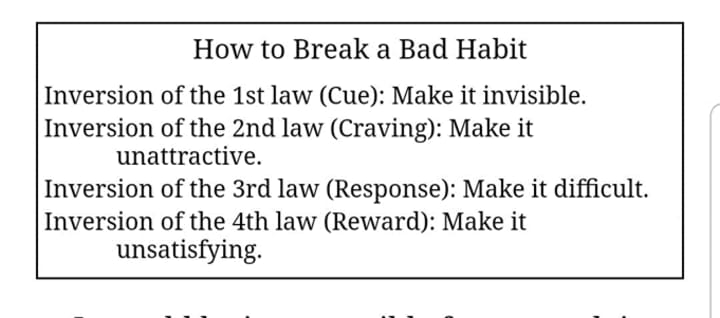
By identifying the cue, need, reaction, and reward linked to unhealthy habits, Clear offers a framework for breaking them. In order to replace negative habits with positive ones, he presents the idea of "habit inversion".
Chapter 15: Self-Control Is a Short-Term Strategy
The notion that habit transformation requires nothing more than willpower is contested by Clear. He contends that fostering environments that encourage positive behaviours is more efficient than relying solely on self-control.
Chapter 16: How to Make Good Habits Inevitable and Bad Habits Impossible
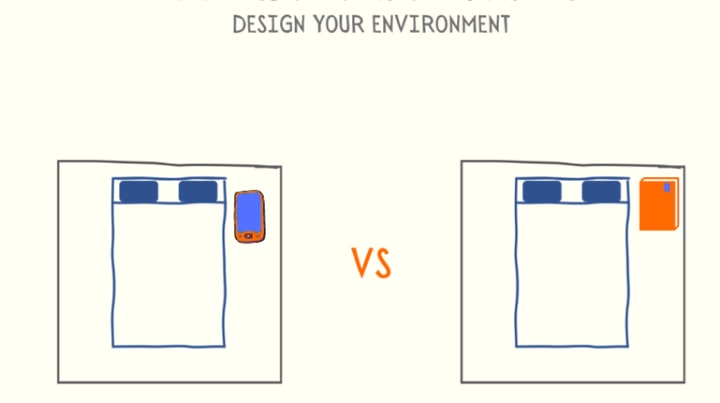
In his book, Clear emphasises the significance of creating a space that encourages healthy behaviours and dissuades unhealthy ones. He defines the term "environmental design" and provides instances of its practical use.
Chapter 17: The Cardinal Rule of Behaviour Change
The four laws of behaviour change are reviewed by Clear, who emphasises their applicability to changing any habit. He exhorts readers to put these laws into practise in order to make improvements in their lives.
Conclusion
In "Atomic Habits," James Clear reaffirms the fundamentals of habit formation and issues a final call to action to the audience. He places an emphasis on the significance of tiny adjustments and exhorts readers to begin the process of developing better habits by taking the first step.
Final Thoughts
James Clear's book "Atomic Habits" is a thorough manual for comprehending and altering habits. It offers readers useful advice and a detailed structure for forming healthy routines and breaking unhealthy ones. People can significantly and permanently improve their lives by focusing on making habits visible, appealing, easy, and enjoyable, as well as motivating through reinforcement and responsibility. The book is a useful tool for anyone wishing to boost their personal and professional development through the power of habits because it uses real-world examples and offers practical guidance.
About the Creator
Shion
I hope my summaries provide readers with a quick way to useful self-help insights. My purpose is to empower people to make informed judgments about which self-help books to read further and to use what they learn to enhance their lives.
Rachel Reviews: Lakefront Wolves by Joseph Deegan
Meet Finn. He's an 18 year old kid who has potential. He's bright with great school scores and he's also an athlete, a footballer of some prowess. He has it all going for him, it would seem, and yet, he's determined to send what could be a well-planned, stable existence firmly off the rails. He drinks, he smokes, he takes drugs, he has violent tendencies and he's in danger of losing not only his mind but all that he holds dear.
By Rachel Deeming10 days ago in BookClub
Guard Your Battery
Why are some people so attractive just by standing there? It’s not because they are "likable," but because they don’t need everyone to like them. I realized later that truly charismatic people allow themselves to be criticized, but they never criticize themselves. They never try to please the world; instead, the world stops to watch them.
By Emily Chan - Life and love sharing7 days ago in Poets




Comments
There are no comments for this story
Be the first to respond and start the conversation.