
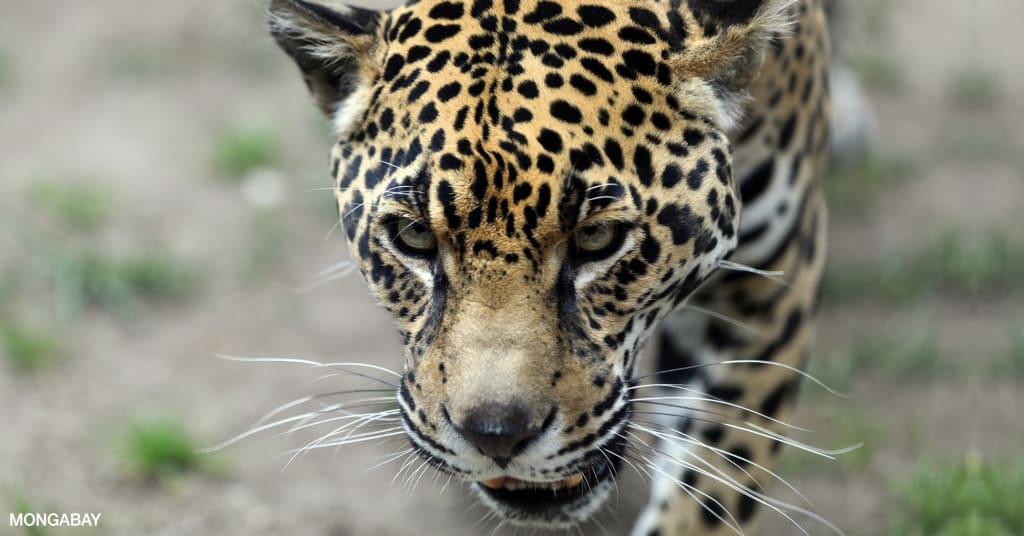
Nature isn't just a destination; it's our very own home. It encompasses everything we observe—the vanishing creatures like animals and insects that masterfully blend into their surroundings using disguises, tricks, and temptations. Nature also encompasses everything we hear—the majestic call of an eagle, the whispering hiss of ocean spray, the commanding rumble of thunder, the rhythmic sound of a cricket. This breathtaking beauty extends to the delicate bond between animal life and their environment, a relationship that shapes the world of the wild. The Amazon rainforest sprawls across nine nations and spans over five and a half million square kilometers, earning the title of the largest rainforest on Earth and one of its most diverse realms.
This episode delves into the realm of the Amazon rainforest, a haven teeming with life, much of which remains a mystery to science. Among its most iconic inhabitants are the colossal Anaconda, the laid-back sloth, the cold-blooded Caiman, the hair-raising tarantula, and the enigmatic Amazon River dolphin. In this land of legends, the Anaconda stands out, reigning over the intricate network of swamps, marshes, and streams that constitute the Amazon's wetlands. With a lineage of five species, these snakes are exquisitely suited to waterways, using the river's murkiness to their advantage in both travel and stealthy hunting.
The intricate jungle ecosystem thrives along the waterways, giving the Anaconda dominance. Its elevated eyes and nostrils offer concealed observation, while its predatorial technique lies in wait for land-based prey. Anacondas, equipped with an impressive array of hundreds of razor-sharp teeth, possess the unique ability to coil around and suffocate their quarry, swallowing it whole in a mesmerizing display of adaptability. Amidst this stunning world, the threat to these remarkable creatures comes from humans, who prize their legendary status and splendid skin.
Ascending from waters to trees, the Amazon rainforest reveals another masterpiece: the sloth. The rainforest canopy conceals these tree-dwelling mammals, which have harmoniously intertwined with their surroundings. These creatures are hosts to intricate ecosystems on their thick fur, playing a role in moisture-seeking organisms' lifecycle, including unique algae species that flourishes nowhere else. As folivores, their diet largely consists of leaves, and by cultivating their own algae gardens, sloths enhance their nutritional intake. Although slow, their economy of movement grants them an unobtrusive presence, protecting them from predators like the jaguar.
The Amazon's waterways introduce the apex predator, the Caiman, with its six species reigning over the rivers and lakes. Masters of the aquatic realm, Caiman are skilled swimmers with exceptional night vision, using their impressive adaptability to maintain the Amazon's fragile ecosystem balance. Facing challenges like changing temperatures due to climate change, Caiman's survival depends on adaptability.
Beneath the rainforest's dense canopy, an astonishing 90% of Amazon's inhabitants are arthropods, including the enigmatic tarantula. These ancient spiders, occupying the planet since the time of dinosaurs, boast a unique sensory system, capturing prey through ambush techniques. Despite their fearsome reputation, tarantulas pose little threat to humans, facing greater dangers from habitat destruction and the pet trade.
The Amazon River dolphins, known as botos, inhabit the turbulent waters of the Amazon and stand as a true aquatic marvel. Their unique adaptations enable them to navigate through obstacles and detect prey in the murky waters. However, these extraordinary creatures face threats from industries, fishing, and climate change, underlining the importance of preserving their unique habitat.
The Amazon rainforest, often referred to as the lungs of the planet, produces a substantial amount of the world's oxygen while curbing greenhouse gases. Despite conservation efforts, deforestation continues to threaten this vital ecosystem. To protect the Amazon is to safeguard a remarkable, diverse world that sustains not just its inhabitants, but the entire planet.
About the Creator
Keep reading
More stories from Marianne Faith Cuadrante and writers in BookClub and other communities.
AMAZON
Nature isn't just a destination; it's our very own home. It encompasses everything we observe—the vanishing creatures like animals and insects that masterfully blend into their surroundings using disguises, tricks, and temptations. Nature also encompasses everything we hear—the majestic call of an eagle, the whispering hiss of ocean spray, the commanding rumble of thunder, the rhythmic sound of a cricket. This breathtaking beauty extends to the delicate bond between animal life and their environment, a relationship that shapes the world of the wild. The Amazon rainforest sprawls across nine nations and spans over five and a half million square kilometers, earning the title of the largest rainforest on Earth and one of its most diverse realms.
By Marianne Faith Cuadrante2 years ago in 01
Golden's Bridge Mom Hangs in There with New Book on Raising Teenagers
See John Jay Crowd Shots and all Winter Photos Below When Ali Flynn became an empty nester in September 2025, it wasn’t the sight of her twins leaving that brought finality. Out food shopping, the mother of four realized that she had no idea how much broccoli to buy. “I started crying,” Flynn remembered. Broccoli obviously not the point, the feelings are, and the angst and joy of raising teenagers is meant to be shared as a form of support. So that’s just what the Golden’s Bridge mom has done.
By Rich Monetti5 days ago in BookClub




Comments
There are no comments for this story
Be the first to respond and start the conversation.