
Adopting E-Signatures in the Philippines: Benefits and Challenges
Benefits and Challenges

Introduction
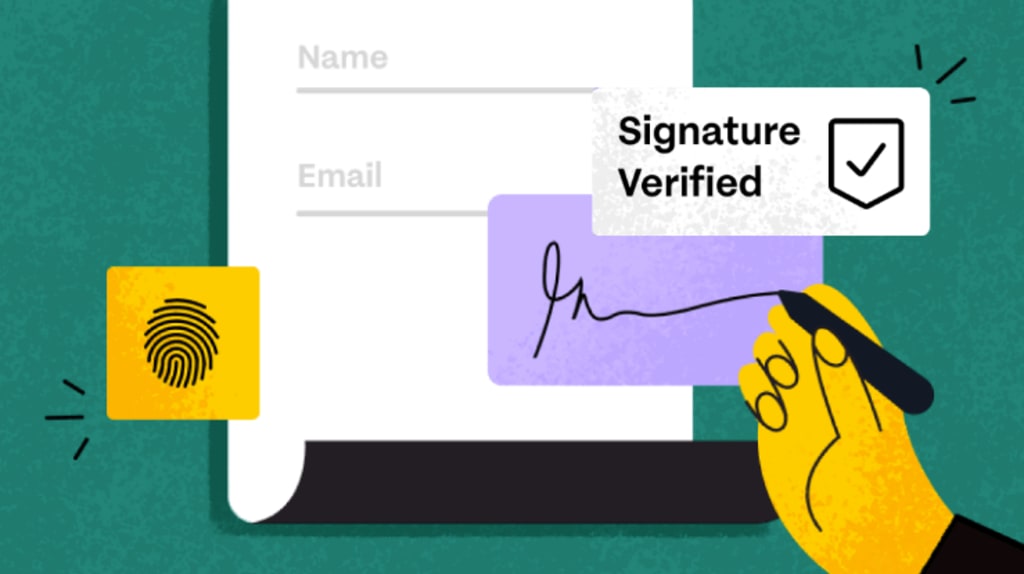
The rise of e-signature Philippines signifies a major leap towards efficiency and modernity in various sectors, from banking to real estate. An electronic signature, or e-signature, allows individuals to sign documents digitally, eliminating the need for physical presence and manual signatures. This advancement aligns well with the Philippines e-signature law, which provides a robust legal foundation for the use of digital signatures in both the public and private sectors. As businesses and consumers increasingly turn to digital solutions, understanding the intricacies of legal e-signature Philippines becomes essential for ensuring seamless and legally compliant transactions.
The Legal Framework for E-Signatures in the Philippines
Republic Act No. 8792: The E-Commerce Act
The backbone of e-signature Philippines is Republic Act No. 8792, commonly known as the E-Commerce Act of 2000. This legislation provides the legal basis for the recognition and validity of electronic signatures and digital signatures in the Philippines. The E-Commerce Act was a pioneering move by the Philippine government to embrace digital innovation, reflecting the country's commitment to modernizing its legal and business environments.
Under this law, any contract or agreement that is signed electronically is considered legally binding and enforceable, provided that it adheres to certain conditions. This includes the capability of the e-signature to authenticate the signer’s identity and to confirm the intent of the signer to agree to the terms contained in the document. The E-Commerce Act thereby places e-signatures on par with traditional handwritten signatures, ensuring that they carry the same weight in legal proceedings.
Electronic Signatures and Digital Signatures
The E-Commerce Act makes a clear distinction between electronic signatures and digital signatures. An electronic signature is a broad term that encompasses any electronic sound, symbol, or process attached to or logically associated with a document and executed or adopted by a person with the intent to sign. This can include a typed name at the end of an email, a scanned image of a handwritten signature, or a click on an “I agree” button.
In contrast, a digital signature is a specific subset of electronic signatures that employs cryptographic techniques to provide a higher level of security and verification. Digital signatures are created using a mathematical algorithm that generates a unique hash (a digital fingerprint) for the document. This hash is then encrypted with the signer’s private key, creating a signature that can be verified using the signer’s public key. Digital signatures thus provide both authentication and integrity, ensuring that the signed document has not been altered since the signature was applied.
Compliance and Legal Requirements
For an electronic signature to be considered valid under Philippines e-signature law, it must meet specific criteria:
Intention to Sign: The signer must demonstrate an intent to sign the document electronically. This can be shown through actions such as clicking a “sign” button or using a stylus to sign on a digital screen.
Consent: Both parties involved in the transaction must agree to use electronic methods for signing the document. This agreement can be explicit, such as through a consent form, or implicit, such as by the nature of the transaction being conducted online.
Authentication: The identity of the signer must be authenticated. This can be achieved through various methods such as passwords, PINs, biometric verification, or cryptographic keys.
Integrity: The document must remain unaltered after the signature is applied. Any changes made to the document after it has been signed would invalidate the electronic signature.
These requirements are designed to ensure that e-signatures are as reliable and trustworthy as traditional handwritten signatures, thereby upholding the integrity of electronic transactions.
Benefits of E-Signature Solutions in the Philippines
Efficiency and Cost-Effectiveness
One of the most significant advantages of e-signature solutions in the Philippines is the efficiency they bring to document handling. Traditional methods of signing documents often involve multiple steps such as printing, signing, scanning, and sending the documents back and forth. This process can be time-consuming and prone to errors. E-signature technology streamlines these processes by allowing documents to be signed digitally, reducing the time and effort required to complete transactions.
For example, in the real estate sector, transactions often involve multiple parties and extensive documentation. By using e-signature technology, real estate professionals can expedite the signing of contracts, leases, and other agreements, enabling faster transactions and reducing administrative overhead. Similarly, in the banking sector, loan agreements, account openings, and other documentation can be processed more swiftly, enhancing customer satisfaction and operational efficiency.
The cost savings associated with e-signature solutions are also substantial. By eliminating the need for physical documents, businesses can save on printing, storage, and postage costs. Additionally, the reduction in time spent on document handling translates to lower labor costs and increased productivity.
Enhanced Security and Authentication
E-signature solutions provide enhanced security features compared to traditional methods. Digital signatures, in particular, employ cryptographic technologies that ensure the authenticity and integrity of signed documents. This makes it difficult for unauthorized parties to tamper with the document or forge signatures.
For instance, UNAWA’s SignSecure, a leading e-signature platform in the Philippines, integrates facial recognition biometric technology to further secure the signing process. This unique feature distinguishes it as the only platform in the country with such advanced security measures. SignSecure’s facial recognition technology verifies the signer’s identity by comparing their live facial features with a stored image, ensuring that only authorized individuals can sign the document. This added layer of security helps prevent fraud and enhances the trustworthiness of e-signature transactions.
Moreover, digital signatures can provide a detailed audit trail, recording information such as the date and time of the signature, the IP address of the signer, and any changes made to the document. This audit trail can be invaluable in resolving disputes and verifying the authenticity of signed documents.
Environmental Impact
Adopting e-signature technology also contributes to environmental sustainability by reducing the reliance on paper. The production of paper involves significant environmental costs, including deforestation, water consumption, and energy use. By transitioning to e-signatures, businesses can reduce their paper consumption, thereby minimizing their environmental footprint.
The shift towards digital documents also reduces the need for physical storage space, which can further contribute to sustainability efforts. Additionally, the reduction in transportation required for sending documents by mail or courier services helps decrease greenhouse gas emissions, aligning with global efforts to combat climate change.
Legal and Regulatory Compliance
By using legal e-signature Philippines solutions, businesses can ensure compliance with local laws and regulations. The E-Commerce Act and related guidelines provide a clear framework for the legal use of electronic signatures, reducing the risk of disputes and enhancing the reliability of signed documents. Compliance with these regulations is crucial for businesses to avoid legal issues and ensure the enforceability of their electronic agreements.
Furthermore, e-signature platforms like SignSecure are designed to comply with international standards such as the General Data Protection Regulation (GDPR) and the Electronic Identification, Authentication, and Trust Services (eIDAS) regulation. This compliance ensures that e-signature solutions not only meet local legal requirements but also adhere to global best practices in data protection and electronic transactions.
Challenges in Implementing E-Signature Solutions
Technological Barriers
Despite the numerous benefits, there are challenges to the widespread adoption of e-signature solutions in the Philippines. Technological barriers, such as limited internet access in remote areas, can hinder the implementation of e-signature systems. This digital divide can affect businesses and individuals in less developed regions, limiting their ability to benefit from e-signature technology.
In rural and remote areas, where internet connectivity may be slow or unreliable, accessing and using e-signature platforms can be challenging. This can impede the adoption of e-signature solutions among small businesses and individuals who lack the necessary infrastructure and digital literacy.
Additionally, the initial cost of implementing e-signature solutions, including software, hardware, and training, can be a barrier for small and medium-sized enterprises (SMEs). These businesses may require financial assistance or incentives to invest in digital technologies and overcome the initial hurdles of adoption.
Awareness and Education
There is also a need for greater awareness and education about the legal validity and benefits of electronic signatures. Many businesses and consumers are still unfamiliar with the concept and may be hesitant to adopt new technologies. Educational campaigns and training programs can help bridge this knowledge gap and encourage broader acceptance of e-signature solutions.
To address this challenge, government agencies, industry associations, and technology providers can collaborate to offer workshops, seminars, and online resources that educate businesses and consumers about e-signatures. These initiatives can cover topics such as the legal framework, security features, and practical applications of e-signature technology.
Furthermore, showcasing successful case studies and testimonials from businesses that have benefited from e-signature solutions can help build trust and demonstrate the practical advantages of adopting e-signatures.
Legal and Regulatory Concerns
While the E-Commerce Act provides a solid legal foundation, there may be uncertainties or ambiguities in its application. Businesses must stay informed about any updates or changes to Philippines e-signature law to ensure ongoing compliance. Additionally, cross-border transactions involving e-signatures may require careful consideration of international laws and regulations.
For instance, businesses engaging in international transactions must be aware of the legal requirements for e-signatures in different jurisdictions. This includes understanding the recognition and enforceability of e-signatures in the countries where their counterparts are located. Legal counsel may be necessary to navigate the complexities of cross-border electronic transactions and ensure that e-signatures are valid and binding across different legal systems.
Future Prospects of E-Signature in the Philippines
Technological Advancements
The future of e-signature Philippines looks promising, with ongoing technological advancements expected to further enhance the capabilities and security of e-signature solutions. Innovations such as blockchain technology and artificial intelligence (AI) could provide even more robust mechanisms for verifying and securing electronic signatures.
Blockchain technology, for example, can create an immutable and transparent ledger of transactions, providing a tamper-proof record of e-signature activities. This can enhance the trust and reliability of e-signatures by ensuring that signed documents are secure and cannot be altered or forged.
AI technologies can also contribute to the future of e-signatures by enabling advanced fraud detection and identity verification techniques. AI-powered algorithms can analyze patterns and anomalies in e-signature transactions, identifying potential fraudulent activities and enhancing the overall security of digital document workflows.
Integration with Other Digital Services
The integration of e-signature technology with other digital services, such as cloud storage and digital identity verification systems, can create more seamless and efficient workflows. This integration will likely drive higher adoption rates across various industries, making e-signatures a standard practice for business transactions.
For example, integrating e-signature solutions with cloud storage platforms allows businesses to store signed documents securely and access them from anywhere, at any time. This can improve collaboration and document management, especially for organizations with distributed teams and remote workers.
Similarly, integration with digital identity verification systems can streamline the onboarding process for new customers or employees. By combining e-signature technology with digital identity verification, businesses can automate the verification and signing processes, reducing the time and effort required to complete transactions.
Expanding Legal Frameworks
As the use of e-signatures becomes more prevalent, it is anticipated that the legal framework will continue to evolve. Updates to the E-Commerce Act or new regulations could address emerging challenges and provide clearer guidelines for businesses and individuals.
For instance, future legal developments may focus on addressing the use of e-signatures in emerging technologies such as smart contracts and digital wallets. These technologies present new opportunities and challenges for e-signature adoption, and the legal framework will need to adapt to accommodate these innovations.
Additionally, the government may introduce regulations to standardize the use of e-signatures across different industries and sectors. This can help ensure that e-signature practices are consistent and reliable, regardless of the specific context in which they are used.
Role of Pioneering Companies
Companies like UNAWA are at the forefront of this digital transformation. Their e-signature platform, SignSecure, not only complies with local laws but also sets a high standard for security with its facial recognition technology. The success of such pioneering solutions will play a crucial role in shaping the future landscape of e-signature solutions in the Philippines.
UNAWA’s SignSecure platform exemplifies how innovation and compliance can go hand in hand to deliver secure and user-friendly e-signature solutions. By leveraging advanced biometric technologies, SignSecure enhances the security and authenticity of e-signature transactions, making it a trusted solution for businesses across various sectors.
As more companies adopt and develop e-signature technologies, the competitive landscape will drive further advancements and improvements in e-signature solutions. This competition will benefit businesses and consumers by providing a wider range of options and driving the development of more sophisticated and secure e-signature platforms.
Conclusion
The adoption of e-signature Philippines is a significant step towards digital transformation and modernization in the country. With a strong legal framework, clear benefits, and ongoing technological advancements, electronic signatures are poised to become an integral part of business operations. By understanding the legal requirements and leveraging advanced e-signature solutions like SignSecure, businesses can enhance efficiency, security, and compliance in their document-handling processes.
As the Philippines continues to embrace digital technologies, the role of e-signatures will undoubtedly grow, offering a promising future for both businesses and consumers. The challenges in implementation can be addressed through increased awareness, technological improvements, and a robust legal framework, ensuring that the benefits of e-signature solutions are accessible to all.
E-signature Philippines is not just a technological trend but a transformative tool that is reshaping the way business is conducted, aligning with global standards, and driving economic growth in the digital age. The ongoing evolution of e-signature technology and the commitment of pioneering companies like UNAWA will play a crucial role in shaping a future where electronic signatures are an essential and trusted component of the digital economy.
About the Creator
PKR AG
I love writing compelling stories.
Rachel Reviews: Lakefront Wolves by Joseph Deegan
Meet Finn. He's an 18 year old kid who has potential. He's bright with great school scores and he's also an athlete, a footballer of some prowess. He has it all going for him, it would seem, and yet, he's determined to send what could be a well-planned, stable existence firmly off the rails. He drinks, he smokes, he takes drugs, he has violent tendencies and he's in danger of losing not only his mind but all that he holds dear.
By Rachel Deeming14 days ago in BookClub




Comments (2)
The article "Adopting E-Signatures in the Philippines: Benefits and Challenges" offers a comprehensive overview of how e-signatures can streamline processes and improve efficiency. It highlights the potential obstacles, such as regulatory compliance and technological adoption, while emphasizing the significant advantages for businesses and individuals embracing digital transformation.
The article "Adopting E-Signatures in the Philippines: Benefits and Challenges" provides a comprehensive overview of the growing importance of e-signatures in the digital age. It effectively highlights the numerous benefits, such as increased efficiency, reduced paperwork, and enhanced security, making a strong case for their adoption across various industries in the Philippines. However, the article doesn't shy away from addressing the challenges, including legal concerns, technological infrastructure, and user awareness. This balanced perspective is crucial for understanding the complexities involved in transitioning to e-signatures. The mention of local solutions, like UNAWA's SignSecure platform, underscores the potential for homegrown innovations to lead the way. Overall, the article serves as a valuable resource for businesses and policymakers looking to navigate the evolving landscape of digital transactions in the Philippines.