
A Painted House by John Grisham: An In-Depth Review
Uncovering Secrets and Simplicity in John Grisham’s Southern Tale

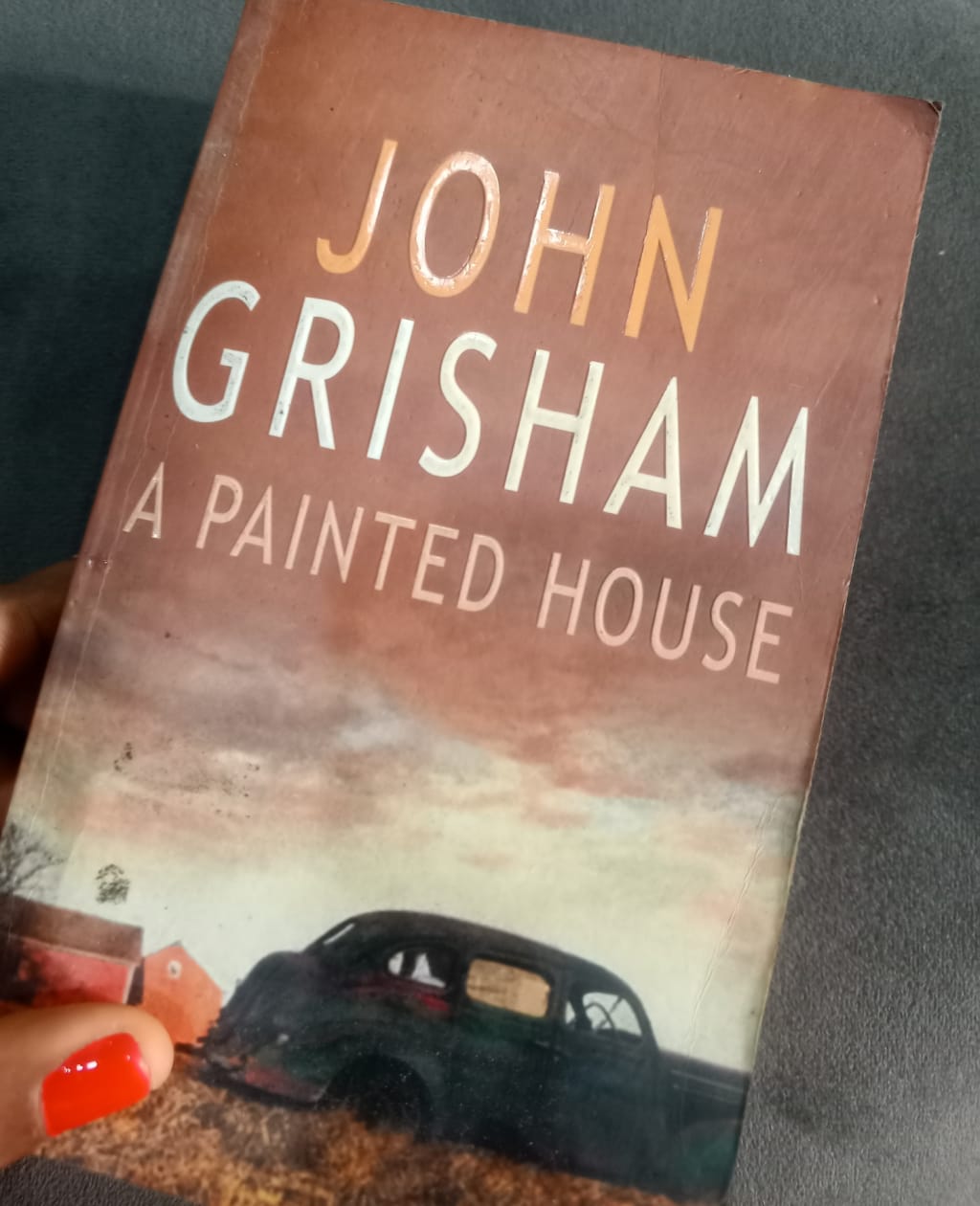
John Grisham, widely known for his gripping legal thrillers, takes a notable detour from the courtroom in A Painted House, delivering a poignant, character-driven narrative that reveals the raw heart of rural America in the early 1950s. With this novel, Grisham demonstrates that his storytelling prowess extends well beyond the legal world.
Plot Overview
Set in the cotton fields of rural Arkansas, A Painted House is narrated through the eyes of seven-year-old Luke Chandler, a precocious child growing up on a modest farm. The story unfolds during one cotton-picking season, where the Chandler family hires migrant workers—a group of Mexicans and a rough clan known as the Spruills—to help with the harvest. As the season progresses, the once quiet and predictable life on the farm is disrupted by secrets, violence, and unexpected revelations that threaten the fragile stability of the Chandler household.
Themes and Tone
At its core, A Painted House is a coming-of-age story, wrapped in themes of innocence lost, the burdens of adulthood, class struggle, and the unspoken codes of rural life. Grisham masterfully captures the tension between dreams and duties, especially for Luke, who longs for the allure of city life and baseball while grappling with the grim realities of farming.
The tone is contemplative, nostalgic, and at times suspenseful. Though there are no courtroom dramas or legal battles, Grisham infuses the novel with a subtle tension that builds from whispered secrets and looming threats. The slow pace, deliberate and rich in detail, mirrors the rhythm of farm life and allows readers to deeply connect with the setting and characters.
Characters
Luke Chandler is a standout narrator. His voice is simultaneously innocent and observant, providing a unique lens through which adult complexities are filtered. Through his perspective, readers witness the moral ambiguities and difficult choices that define the adult world.
Supporting characters, such as Luke’s stoic grandfather, his strong-willed mother, and the colorful workers, are well-drawn and authentic. The Spruills, particularly Hank, introduce a volatile edge to the narrative, while the Mexican workers bring warmth and camaraderie. Each character serves a purpose in shaping Luke’s evolving worldview.
Setting and Atmosphere
The setting is one of the novel’s most powerful elements. Grisham paints a vivid picture of 1952 Arkansas—dusty roads, cotton fields stretching to the horizon, and a community bound by tradition and hardship. The oppressive heat, the physical toll of the harvest, and the close-knit yet judgmental nature of small-town life are all rendered in meticulous detail.
The house itself, unpainted and weathered, becomes a symbol of the family's struggle and pride. When Luke’s family decides to paint it, the act is not just cosmetic but represents hope, change, and the desire to rise above one's circumstances.
Writing Style
Grisham adopts a restrained and elegant prose style in this novel, quite different from his legal thrillers. His writing here is imbued with a sense of nostalgia and emotional depth, relying more on subtlety and mood than on plot twists. The dialogue is realistic, often tinged with Southern dialects, which adds to the novel’s authenticity.
Criticism
While A Painted House has been praised for its lyrical storytelling and rich atmosphere, some readers may find the pacing slow, especially those expecting the fast-moving plots typical of Grisham’s thrillers. The novel is more reflective than action-packed, with much of the tension rooted in internal conflicts rather than external drama.
Conclusion
A Painted House is a compelling departure for John Grisham, showcasing his versatility as a writer. It’s a quiet, moving exploration of childhood, family, and the slow erosion of innocence. For readers open to a deeply human story grounded in a specific time and place, it’s a rewarding experience. This novel isn't just about a painted house—it's about the many layers beneath the surface, both in people and in life itself.
About the Creator
My New Book is Finally Here
My poetry collection Beautiful and Brutal Things is done. It's actually done and finally published over 270 pages. Over a year of my life went into this book. More than a year, really. Long days at my computer, sometimes seven days a week because I couldn't stop even when I probably should have. Then two months of editing that felt harder than the writing itself. But it's finished, and I'm still standing, and the book is real.
By Tim Carmichaela day ago in BookClub
Lights Out & Love in the Dark
Welcome back to The Chapter Café, where stories are always on the menu and comfort is served by the chapter. I’m your host, Kristen, and tonight we’re dimming the lights, pouring something strong, and stepping into the shadows with a dark romance that’s as twisted as it is tender. On today’s menu? Lights Out by Navessa Allen—a story of trauma, obsession, and the strange, electric pull between two broken souls.
By Kristen Barenthaler4 days ago in BookClub




Comments
There are no comments for this story
Be the first to respond and start the conversation.