
A Guide to Spirituality Without Religion; A Review of Waking Up by: Sam Harris
Exploring the Intersection of Consciousness, Meditation, and Secular Spirituality!!!

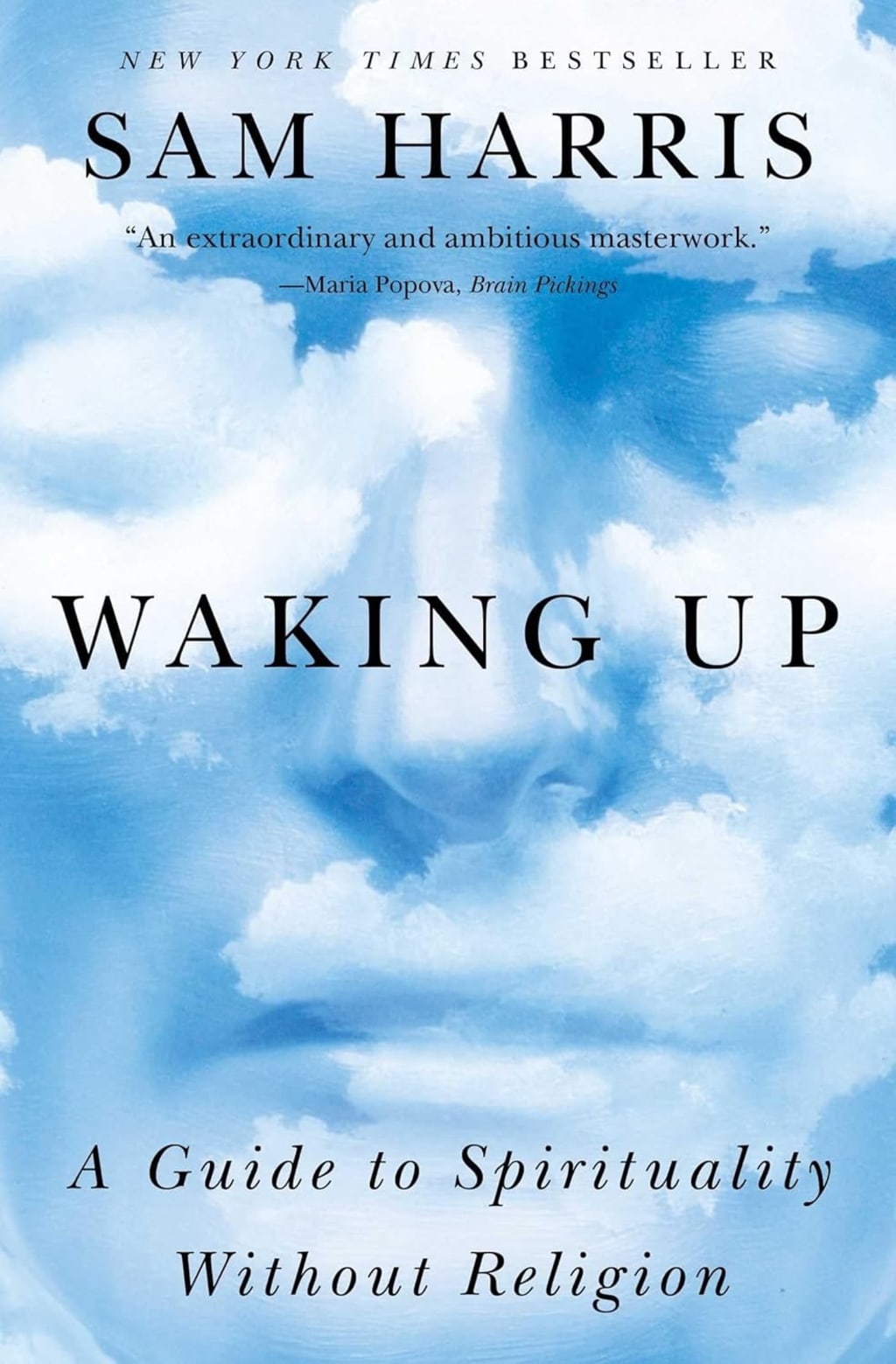
In Waking Up: A Guide to Spirituality Without Religion, Sam Harris embarks on a bold intellectual journey to explore the intersection of consciousness, spirituality, and science. As one of the leading figures in the “new atheism” movement, Harris is known for his clear, logical approach to topics often considered mysterious or subjective. In this book, he attempts to reconcile spirituality with a skeptical, scientific worldview. Through a blend of personal narrative, philosophical insight, and scientific explanations, Waking Up provides a thought-provoking perspective on how we can achieve deep spiritual awareness without subscribing to any religious dogma. Here, I’ll break down the key elements of this work in seven key points.
1. A Science-Driven Approach to Spirituality
One of the most striking features of Waking Up is its approach to spirituality through a scientific lens. Harris, a neuroscientist and philosopher, is deeply committed to exploring human consciousness and meditation from the perspective of modern science. Throughout the book, he draws on insights from psychology, neuroscience, and evolutionary biology to demonstrate how we can develop spiritual awareness without relying on religious doctrines. He insists that spirituality need not be associated with the supernatural, and offers meditation practices and mindfulness techniques rooted in science and personal experience rather than faith-based traditions. This combination of rigor and introspection offers a compelling alternative for those who seek a meaningful spiritual life outside of religious frameworks.
2. A Personal Journey into Mindfulness
Harris's personal narrative is another key aspect of the book. He shares his own experiences with meditation and mindfulness, particularly his exploration of nondual consciousness—a state of awareness where the boundaries between the self and the world seem to dissolve. Harris argues that these types of experiences are not only transformative but also scientifically verifiable through neuroimaging and other methods. By opening up about his own journey, Harris makes the book more relatable and accessible, even for readers who may be skeptical or new to the concepts he discusses. The personal dimension of his exploration of mindfulness brings authenticity to his arguments and invites readers to embark on their own introspective journeys.
3. Challenging Conventional Views of the Self
One of the book’s central philosophical themes is the nature of the self. Harris delves into the concept of "ego"—the illusory sense of self that arises from our thoughts and perceptions. Drawing on insights from Eastern philosophies like Buddhism, he argues that much of our suffering is tied to the false belief in a permanent, unchanging self. In meditation, Harris finds a tool for breaking down the illusion of this ego and experiencing a more fluid, interconnected form of consciousness. For those who are interested in exploring the nature of self and identity, Waking Up offers a clear and intellectually rigorous approach that challenges conventional Western understandings.
4. A Secular Approach to Mystical Experiences
Harris does not shy away from the mystical elements often associated with spiritual practices. He acknowledges that many people have profound, transformative experiences through meditation, but he reframes these experiences through a secular lens. Mystical states—such as the sensation of oneness with the universe or transcendence of the self—are often considered to be spiritual revelations in religious contexts. However, Harris suggests that these experiences are not evidence of the supernatural but are rather phenomena that can be explained by the workings of the brain. He references studies on psychedelics, meditation, and brain science to explain how such states arise, encouraging readers to approach them without the baggage of religious interpretation. This secular take on mystical experiences makes the book appealing to those who may be wary of the supernatural but are still curious about altered states of consciousness.
5. Skepticism Toward Religion, but Not Spirituality
While Waking Up is unapologetically skeptical of religion, Harris emphasizes that this does not mean he dismisses spirituality entirely. He argues that much of what is valuable in spiritual practices—such as meditation, mindfulness, and self-inquiry—can be detached from their religious roots and enjoyed in a secular context. Harris is particularly critical of organized religion for its dogmatic beliefs and historical tendency to suppress intellectual and scientific progress. At the same time, he acknowledges that many spiritual practices, if properly understood, can enhance well-being, mental clarity, and overall life satisfaction. In this way, Waking Up offers a middle ground between blind religious faith and materialistic atheism, proposing that one can be both spiritually fulfilled and scientifically informed.
6. The Role of Meditation and Mindfulness
Meditation is one of the core practices discussed in Waking Up. Harris strongly advocates for the benefits of mindfulness and meditation, particularly as tools for reducing suffering and gaining insight into the workings of the mind. He includes practical advice and guidance for beginners, encouraging readers to start their own meditation practice. For Harris, meditation is not just a way to calm the mind—it’s a way to radically change one’s perception of reality. Through consistent practice, individuals can come to see through the illusion of the self, cultivating a state of awareness that is both serene and profoundly insightful. Whether or not you’ve ever meditated before, Harris’s clear and straightforward instructions can help readers at all levels gain a deeper understanding of the power of these practices.
7. Accessible, Yet Deeply Philosophical
Despite its intellectual heft, Waking Up is remarkably accessible. Harris’s writing style is clear and engaging, allowing complex philosophical and scientific concepts to be digested by readers without a background in those fields. While the book touches on deep subjects like the nature of consciousness, the neuroscience of meditation, and the philosophical implications of ego dissolution, Harris explains these topics in a way that’s both approachable and thought-provoking. The book is neither dry nor overly academic; it’s written with an inviting tone that encourages readers to think critically, reflect on their own experiences, and engage with the material on a personal level.
Final Thoughts
In Waking Up: A Guide to Spirituality Without Religion, Sam Harris offers a refreshing, intellectually rigorous exploration of spirituality in the modern age. Through a combination of personal anecdotes, scientific insights, and philosophical reflection, he creates a compelling argument for why we should explore spiritual practices, such as meditation and mindfulness, without needing to subscribe to religious belief. The book challenges us to reconsider the nature of the self, the possibilities of consciousness, and the value of mystical experiences—all within a secular, scientifically-grounded framework. Whether you’re a seasoned meditator, a spiritual seeker, or simply someone curious about the mind and consciousness, Waking Up offers a thought-provoking and accessible guide to understanding the nature of human experience beyond the confines of religious tradition.
Thank you 🙏
Future of Resilience
About the Creator
Future of Resilience
I enjoy writing book and product review, relationship and parenting blogs. I hope you enjoy my writing. Happy Reading!
Keep reading
More stories from Future of Resilience and writers in BookClub and other communities.
A Transformative Journey Through Suffering and Joy; A Review of No Mud, No Lotus by: Thich Nhat Hanh
In No Mud, No Lotus, Buddhist monk and spiritual teacher Thich Nhat Hanh takes readers on an enlightening journey through the heart of suffering, offering a guide to transforming pain into peace. The title itself—simple, yet profound—refers to the idea that just as the lotus flower needs the muddy waters to bloom, our suffering is essential for personal growth and the cultivation of joy. If you’ve ever found yourself wondering how to find peace amidst chaos or how to turn your struggles into stepping stones, this book offers a refreshingly accessible path.
By Future of Resilience about a year ago in BookClub
My New Book is Finally Here
My poetry collection Beautiful and Brutal Things is done. It's actually done and finally published over 270 pages. Over a year of my life went into this book. More than a year, really. Long days at my computer, sometimes seven days a week because I couldn't stop even when I probably should have. Then two months of editing that felt harder than the writing itself. But it's finished, and I'm still standing, and the book is real.
By Tim Carmichael3 days ago in BookClub




Comments (2)
This is quite the article for mindfulness and spirituality in many facets of living life in general. Good work.
Hi there, I just finished reading your story, and I must say, it’s truly captivating. Your writing style and the depth of the narrative made it an enjoyable read. I recently discovered Vocal and am eager to connect with talented authors like you while sharing my own insights here. I’m curious; what inspired you to write this piece? Additionally, could you share any challenges you’ve encountered on Vocal that I might need to prepare for as a newcomer? Looking forward to your thoughts and guidance. Best regards, Samuel.