
A Deep Dive into the World-Building of Crescent City
A Deep Dive into the World Building

Fantasy literature thrives on immersive worlds—realms where mythology, magic, and modernity coalesce to create unforgettable narratives. Among contemporary fantasy authors, Sarah J. Maas stands out for her remarkable ability to craft intricate universes that both captivate and challenge readers. With the launch of the Sarah J. Maas Crescent City series, she ventured into adult urban fantasy, taking her world-building prowess to a new dimension. The Crescent City novels aren't just stories; they're elaborate tapestries woven with history, politics, magic, species diversity, and emotional depth.
In this article, we take a deep dive into the world-building of Crescent City, exploring the elements that make it a standout in the modern fantasy genre.
The Setting: Lunathion, City of Starlight
At the heart of the Crescent City novels lies Lunathion, colloquially known as Crescent City. A sprawling metropolis divided into various districts, each housing a different class, species, or function, Lunathion pulsates with life. Its architecture blends classical grandeur with modern-day elements—think Gothic cathedrals next to sky-high tech towers. It’s a city that never sleeps, constantly teeming with both magic and danger.
What sets this city apart is its layered complexity. The world has a functioning economy, an established hierarchy, and even a legal system overseen by a powerful ruling class known as the Asteri. These celestial rulers maintain a façade of peace while manipulating events from behind the scenes. The presence of modern technology—phones, surveillance, medical science—juxtaposed with ancient runes and angelic beings lends a unique flavor to the world-building.
Magic Systems and Mythology
The Sarah J. Maas Crescent City series does not rely on a single type of magic. Instead, it embraces a multifaceted system drawn from various mythological inspirations. There are angels, fae, shifters, witches, and demons—each governed by their own rules and cultural values. Magic is not just a tool but a living force tied to the very fabric of the world.
One of the most compelling aspects of the series is how magic interacts with modern elements. For example, healing spells are used alongside hospital ERs, and magical security wards coexist with surveillance drones. This duality enriches the story, making the stakes feel both fantastical and grounded.
Maas also integrates celestial bodies and ancient lore into the plotlines. The use of star maps, ancient texts, and forgotten languages gives the narrative a scholarly depth, enhancing the believability of the world. The careful blending of original mythologies with real-world inspirations makes the magic system both accessible and expansive.
Species and Factions
Diversity is a cornerstone of the Crescent City novels. The city is home to a wide range of species—each with unique histories, abilities, and societal roles. The Vanir, or magical beings, are divided into Houses based on their powers and heritage. These include the House of Earth and Blood, House of Sky and Breath, House of Flame and Shadow, and House of Many Waters.
Each House has internal hierarchies and external rivalries, adding a political dimension to the world-building. The angelic Host may possess divine powers, but they are bound by duty and protocol. The Fae are ancient and noble but also elitist and often prejudiced. Shifters like wolves and lions struggle to find a balance between instinct and civility. This intricate interplay of species not only enhances the realism of the setting but also mirrors real-world issues like class division and racial inequality.
The protagonist, Bryce Quinlan, is a half-Fae, half-human woman whose identity forces her to navigate multiple social and magical boundaries. Her perspective allows readers to experience the intricacies of each faction and their roles in the larger narrative.
Governance and Power Structures
Another vital element in the Sarah J. Maas Crescent City series is the governance structure. The Asteri are godlike beings who rule from on high, rarely intervening but always watching. Beneath them are the Archangels—immensely powerful beings who enforce the Asteri’s will. This top-down system creates tension and a sense of underlying oppression that permeates the city’s atmosphere.
Corruption, secrecy, and surveillance are constant themes, making Crescent City feel like a dystopian state wrapped in glamour and beauty. The existence of rebel groups and underground resistance movements adds another layer of depth, showing that beneath the surface of glittering parties and sacred rituals lies a city in turmoil.
Technological Integration
A unique aspect of the Crescent City novels is the way they seamlessly incorporate technology. Unlike many fantasy series that avoid modern elements, Maas leans into them. The characters use smartphones, interact on social media, and depend on digital infrastructure. However, these are not just superficial additions—they are integrated deeply into the narrative and often influence the plot.
For instance, surveillance footage becomes a key piece of evidence in a murder investigation, and high-tech labs work alongside magical archives. This integration makes the world feel familiar and futuristic all at once, bridging the gap between fantasy and science fiction.
Emotional and Psychological Realism
While the world-building is rich in lore and detail, it’s the emotional landscape that truly anchors the series. Bryce’s grief, trauma, and resilience are not just character traits—they are woven into the world itself. The city reflects her pain, with every corner reminding her of lost friends, broken dreams, and the high cost of survival.
Relationships are complex and evolve realistically over time. Friendships, rivalries, romantic tensions, and familial bonds are given as much importance as the external conflicts. This emotional realism grounds the fantasy elements, making the story not just a tale of magic and monsters but a profound exploration of the human condition.
Expanding the Universe
With each installment, Maas peels back more layers of her world. The second book, House of Sky and Breath, introduced inter-dimensional elements, suggesting that the world of Crescent City may be connected to other universes—a tantalizing hint that fans of her Throne of Glass and A Court of Thorns and Roses series may recognize.
These multiverse theories have set the fandom abuzz, showing that the Sarah J. Maas Crescent City series may be more than just a standalone saga—it could be a keystone in a broader literary universe.
Conclusion
In the ever-expanding world of fantasy fiction, the Crescent City novels stand out as masterpieces of world-building. Sarah J. Maas has created a universe that is not only visually stunning and mythologically rich but also emotionally resonant and socially complex. From the bustling streets of Lunathion to the shadowy halls of power, every element feels meticulously crafted and deeply interconnected.
For readers who crave a fantasy world that balances high-stakes drama with emotional depth, and ancient magic with modern tech, the Sarah J. Maas Crescent City series delivers on every front. As the series continues to unfold, one thing is certain: the world of Crescent City will only grow more intricate, captivating, and unforgettable.
About the Creator
Novelstory
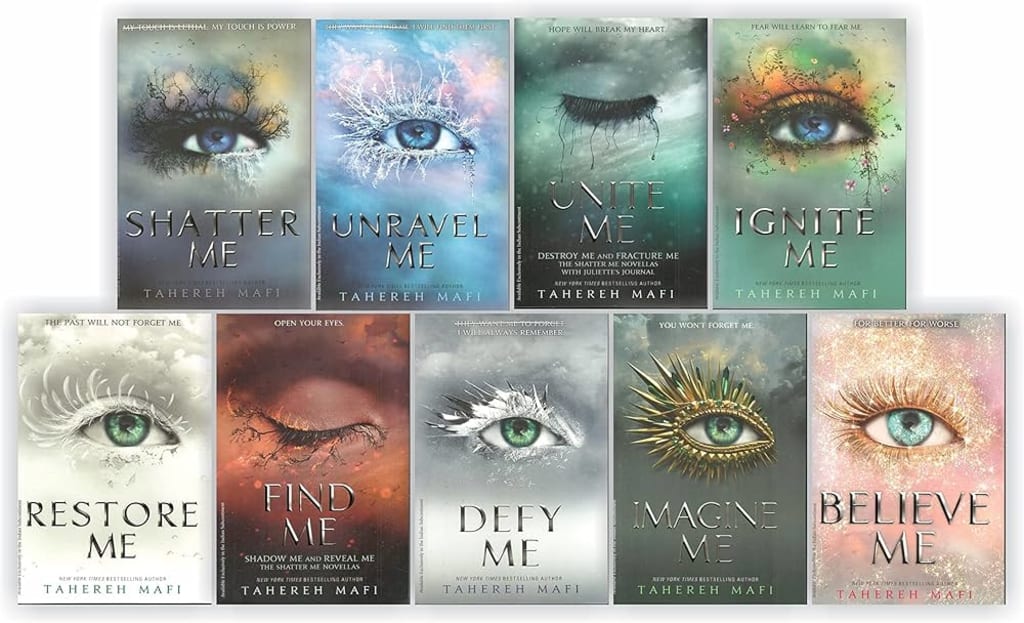
Discover the complete Shatter Me series order by Tahereh Mafi, including all books and novellas in the Shatter Me trilogy. Get detailed summaries and learn the order of Shatter Me books with our thorough guide to the Mafi Shatter Me series.
Keep reading
More stories from Novelstory and writers in BookClub and other communities.
Crescent City vs. A Court of Thorns and Roses: Comparing Sarah J. Maas' Universes
Sarah J. Maas is a name that has become synonymous with high-stakes fantasy, fierce heroines, and immersive world-building. Her books consistently top bestseller lists and have amassed a passionate global fanbase. Among her most celebrated series are Crescent City and A Court of Thorns and Roses (often abbreviated as ACOTAR). While both exist in the same larger multiverse and share thematic similarities, they diverge in tone, structure, and character development. In this article, we’ll explore the major differences and compelling similarities between the two series, offering insights into what makes each unique and captivating in its own right.
By Novelstory9 months ago in BookClub
8 Books That Help You Understand Human Behavior In Business
Markets shift, technologies evolve, and strategies change, but one constant remains: people make decisions. They buy, sell, negotiate, resist change, lead teams, and build cultures based on psychological, emotional, and social forces that often operate beneath the surface.
By Diana Meresc7 days ago in BookClub




Comments
There are no comments for this story
Be the first to respond and start the conversation.