
A Deep Dive into "Magic Pill: The Extraordinary Benefits and Disturbing Risks of the New Weight-Loss Drugs" by Johann Hari: A 7-Point Review
Exploring the Promises and Pitfalls of New Weight-Loss Medications: A Critical Look at Health, Society, and the Pharmaceutical Industry!!!

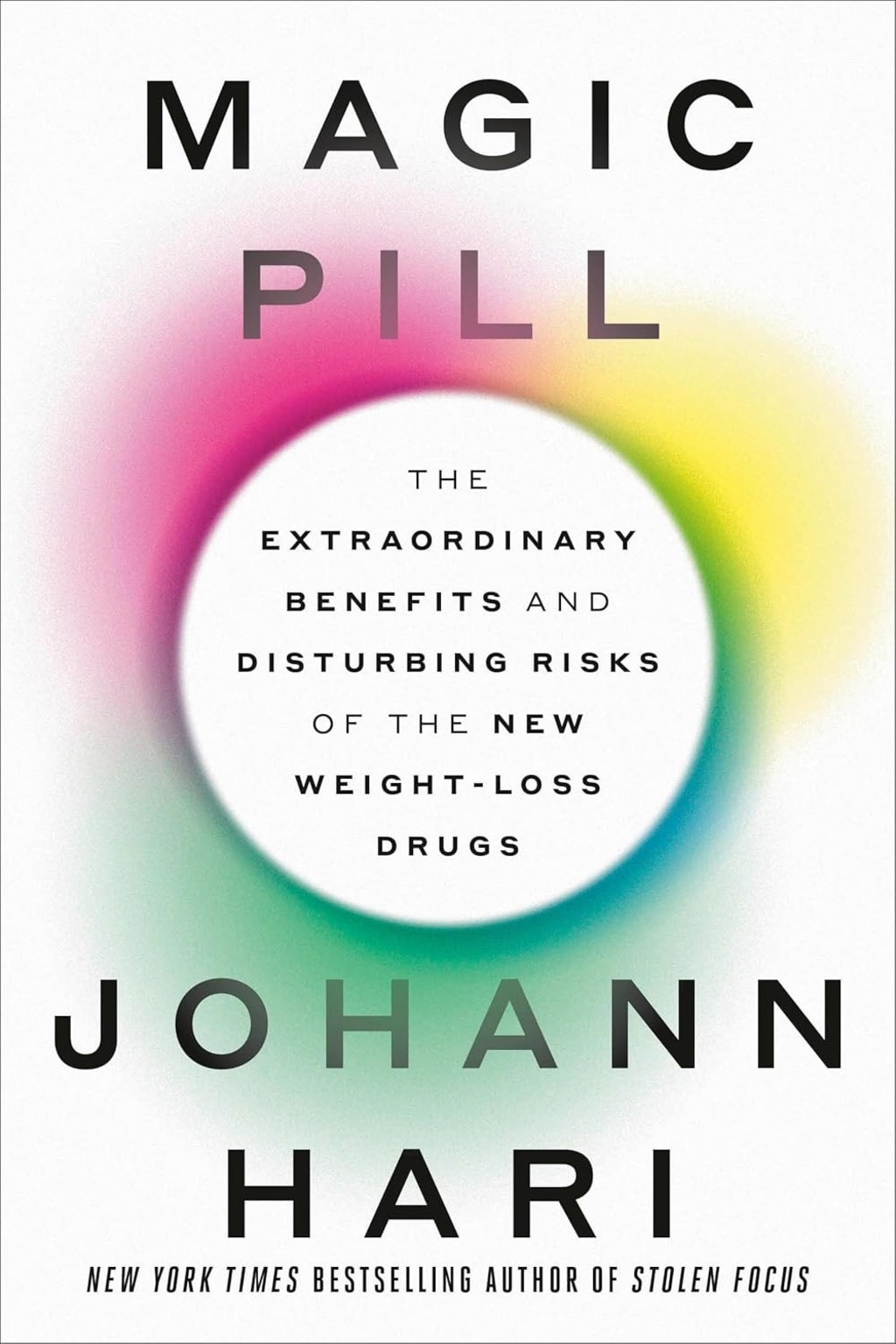
In "Magic Pill: The Extraordinary Benefits and Disturbing Risks of the New Weight-Loss Drugs," Johann Hari tackles the burgeoning market of weight-loss medications that promise miraculous results. With his characteristic blend of investigative journalism, personal narrative, and sociocultural critique, Hari explores the implications of these drugs on individual lives and broader societal norms. This review will break down seven key points that illuminate the complexities surrounding these new weight-loss solutions.
1. The Promise of Instant Results
One of the most enticing aspects of the new weight-loss drugs, as discussed by Hari, is their promise of rapid and significant weight loss. Medications like semaglutide and tirzepatide have emerged as game-changers in the obesity treatment landscape, showing impressive results in clinical trials. Hari presents compelling evidence and personal stories that highlight how these drugs can lead to dramatic transformations for individuals who have struggled with weight loss through traditional means. This immediate appeal raises questions about the societal obsession with quick fixes and the implications of relying on pharmaceutical solutions for deeply rooted health issues.
2. The Complexity of Obesity
Hari emphasizes that obesity is a multifaceted condition influenced by a variety of factors, including genetics, environment, socioeconomic status, and mental health. By framing obesity in this broader context, he challenges the oversimplified notion that weight loss is merely a matter of willpower or discipline. This perspective invites readers to consider the systemic issues surrounding obesity, such as food deserts, advertising, and societal attitudes towards body image. By addressing these complexities, Hari encourages a more compassionate and nuanced understanding of individuals struggling with weight.
3. The Disturbing Risks of New Drugs
While the new weight-loss medications offer promising benefits, Hari does not shy away from discussing their potential risks and side effects. He details the gastrointestinal issues, metabolic changes, and long-term implications that can arise from their use. This critical examination serves as a reminder that, despite their effectiveness, these drugs are not without consequences. The discussion raises ethical questions about the pressure to pursue these medications at the potential cost of overall health and well-being, prompting readers to weigh the benefits against the risks carefully.
4. The Pharmaceutical Industry’s Role
A significant theme in "Magic Pill" is the role of the pharmaceutical industry in shaping our perceptions of health and wellness. Hari delves into the marketing strategies employed by drug companies, which often exaggerate benefits while downplaying risks. This analysis exposes the complex relationship between consumers and the pharmaceutical industry, illustrating how societal pressures and targeted advertising can influence individual choices. By shedding light on these practices, Hari empowers readers to be more critical consumers of medical information and to question the motivations behind the promotion of new drugs.
5. The Psychological Implications of Weight Loss
Hari explores the psychological dimensions of weight loss, including the emotional toll that struggles with obesity can take on individuals. He shares personal accounts and scientific research that highlight how societal stigma, body image issues, and the pursuit of thinness can lead to mental health challenges, including anxiety and depression. By acknowledging these psychological factors, Hari emphasizes the importance of addressing mental well-being in conjunction with physical health. This holistic approach encourages readers to consider the broader implications of weight loss drugs, not just in terms of physical transformation but also in terms of emotional and psychological impact.
6. A Societal Obsession with Thinness
Throughout "Magic Pill," Hari critiques the pervasive societal obsession with thinness and the ways it shapes our perceptions of health. He argues that this obsession can lead to harmful behaviors and unrealistic expectations surrounding body image. By unpacking the cultural narratives that equate worth with weight, Hari encourages readers to reflect on their own beliefs and the societal pressures that contribute to unhealthy body ideals. This critique serves as a call to redefine what health means and to embrace a more inclusive and compassionate understanding of diverse body types.
7. Toward a Balanced Perspective on Health
Ultimately, "Magic Pill" advocates for a balanced perspective on health that encompasses both physical and mental well-being. Hari suggests that while weight-loss drugs may play a role in helping some individuals achieve their health goals, they should not be viewed as a panacea. Instead, he calls for a comprehensive approach that includes lifestyle changes, community support, and mental health resources. By emphasizing the importance of a multifaceted approach to health, Hari encourages readers to take ownership of their well-being and to seek solutions that are sustainable and holistic.
Conclusion
"Magic Pill: The Extraordinary Benefits and Disturbing Risks of the New Weight-Loss Drugs" by Johann Hari is a compelling exploration of a rapidly evolving landscape in the realm of obesity treatment. Through his investigative lens, Hari sheds light on the promises and pitfalls of new weight-loss medications, encouraging readers to critically examine the societal norms and personal choices surrounding health and wellness.
By weaving together personal narratives, scientific insights, and cultural critiques, Hari creates a rich tapestry that invites readers to reflect on their understanding of obesity, health, and the pharmaceutical industry. "Magic Pill" serves as a vital resource for anyone interested in the complexities of weight loss and the ethical considerations that accompany new medical interventions. It challenges us to think beyond quick fixes and to embrace a more nuanced, compassionate, and holistic approach to health—one that recognizes the intricacies of the human experience.
Thank you 🙏
Future of Resilience
About the Creator
Future of Resilience
I enjoy writing book and product review, relationship and parenting blogs. I hope you enjoy my writing. Happy Reading!
Keep reading
More stories from Future of Resilience and writers in BookClub and other communities.
Review of "1-2-3 Magic: Gentle 3-Step Child & Toddler Discipline for Calm, Effective, and Happy Parenting" by Thomas W. Phelan
Parenting can often feel like navigating a maze, with countless challenges and unpredictable twists. In the realm of child discipline, many parents find themselves searching for effective methods that maintain harmony in the home. Thomas W. Phelan’s book, 1-2-3 Magic: Gentle 3-Step Child & Toddler Discipline for Calm, Effective, and Happy Parenting, offers a structured approach to discipline that resonates with many caregivers. Here’s an in-depth review of the book, highlighting eight key points that make it a worthwhile read.
By Future of Resilience about a year ago in BookClub
My New Book is Finally Here
My poetry collection Beautiful and Brutal Things is done. It's actually done and finally published over 270 pages. Over a year of my life went into this book. More than a year, really. Long days at my computer, sometimes seven days a week because I couldn't stop even when I probably should have. Then two months of editing that felt harder than the writing itself. But it's finished, and I'm still standing, and the book is real.
By Tim Carmichael3 days ago in BookClub
The 2025 Bibliophile Advent Calendar Special
There’s a moment every December when the world finally exhales. For me, it usually happens right after I pull out my favorite winter mug and I take that first deep breath of the season. The lights glow a little softer. The books on my shelves seem to lean toward me, waiting. And I remember why winter reading feels like a ritual.
By Kristen Barenthaler5 days ago in BookClub




Comments (2)
Thank you 🙏... Yes there is always a magic pill or silver bullet, that people think that they will just fix all the problems. Everyone wants the quick fix. Even with the fast results and help of a pill, its still up to each individual to make a real change in their lives and stay consistent with better choices or in no time you will be in the same place you were before.
Interesting review and it seems there is always another 'magic pill' coming around.