
3 Books That Change Your Life and Transfer your Perspective
1. Man's search for Meaning , 2. Atomic Habits , 3. Meditations


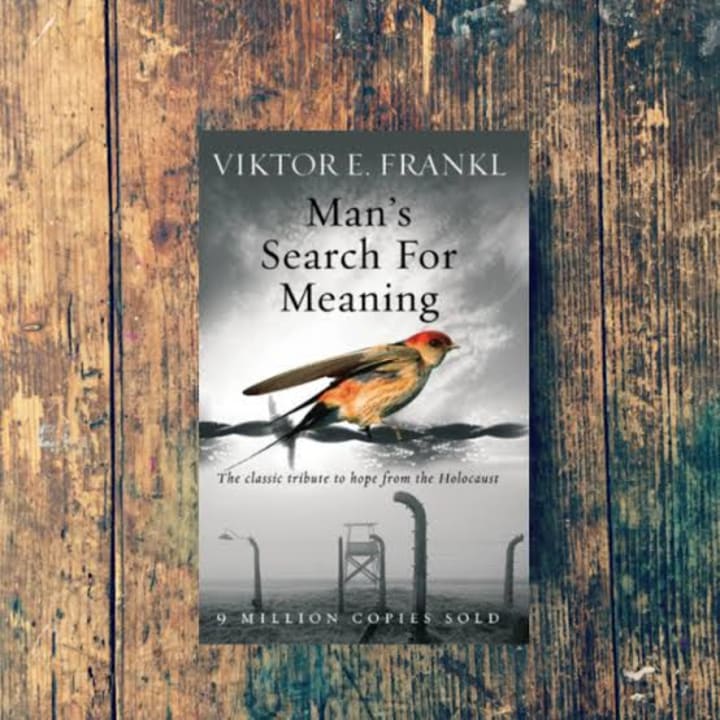
1. "Man’s Search for Meaning" by Viktor E. Frankl
Overvie
Viktor Frankl’s "Man’s Search for Meaning" is a profound exploration of human resilience and purpose. Written in 1946, it recounts Frankl’s experiences as a Holocaust survivor and introduces his psychological theory, logotherapy, which emphasizes finding meaning in life as the primary motivator for human behavior. This book is a beacon for those seeking purpose amid suffering.
Summary
The book is divided into two parts. The first is an autobiographical account of Frankl’s life in Nazi concentration camps, where he endured unimaginable horrors. Despite losing his family and facing starvation, disease, and brutality, Frankl observed that those who found meaning—whether through love, future goals, or small acts of defiance—were more likely to survive. The second part outlines logotherapy, a therapeutic approach that helps individuals discover purpose through creative, experiential, and attitudinal values. Frankl argues that meaning can be found in even the darkest moments, empowering readers to face life’s challenges with courage.
Author Details
Viktor E. Frankl (1905–1997) was an Austrian neurologist, psychiatrist, and Holocaust survivor. He founded logotherapy, often considered the "Third Viennese School of Psychotherapy" after Freud and Adler. Frankl authored over 30 books and lectured worldwide, drawing from his experiences to advocate for human dignity and purpose.
Key Poin
Meaning Over Circumstance: Life’s purpose can be found in suffering, work, or relationships.
Freedom of Choice: We cannot control events, but we can choose our attitude toward them.
Logotherapy Principles: Purpose drives resilience; despair arises from a lack of meaning.
2. "Atomic Habits" by James Clear
Overview
"Atomic Habits" (2018) by James Clear is a practical guide to building and sustaining habits that lead to extraordinary results. Clear breaks down the science of habits into actionable steps, showing how small, consistent changes can transform lives. It’s ideal for anyone aiming to improve productivity, health, or personal growth.
Summary
Clear introduces the concept of "atomic habits"—tiny changes that compound over time. He outlines the habit loop (cue, craving, response, reward) and offers strategies like the 1% rule (improving by 1% daily), habit stacking (linking new habits to existing ones), and making habits easy, attractive, and satisfying. Through anecdotes and research, Clear illustrates how to break bad habits and build good ones, emphasizing systems over goals. For example, instead of aiming to "run a marathon," focus on the system of daily running.

Author Details
James Clear is an American writer and speaker focused on habits, decision-making, and continuous improvement. His newsletter and blog reach millions, and "Atomic Habits" has sold over 15 million copies worldwide. Clear’s insights stem from his personal recovery from a sports injury, which taught him the power of incremental progress.
Key points
Compound Effect: Small habits lead to significant outcomes through consistency.
abit Loop: Understanding cues and rewards helps reshape behavior.
Environment Matters: Design your surroundings to support positive habits.
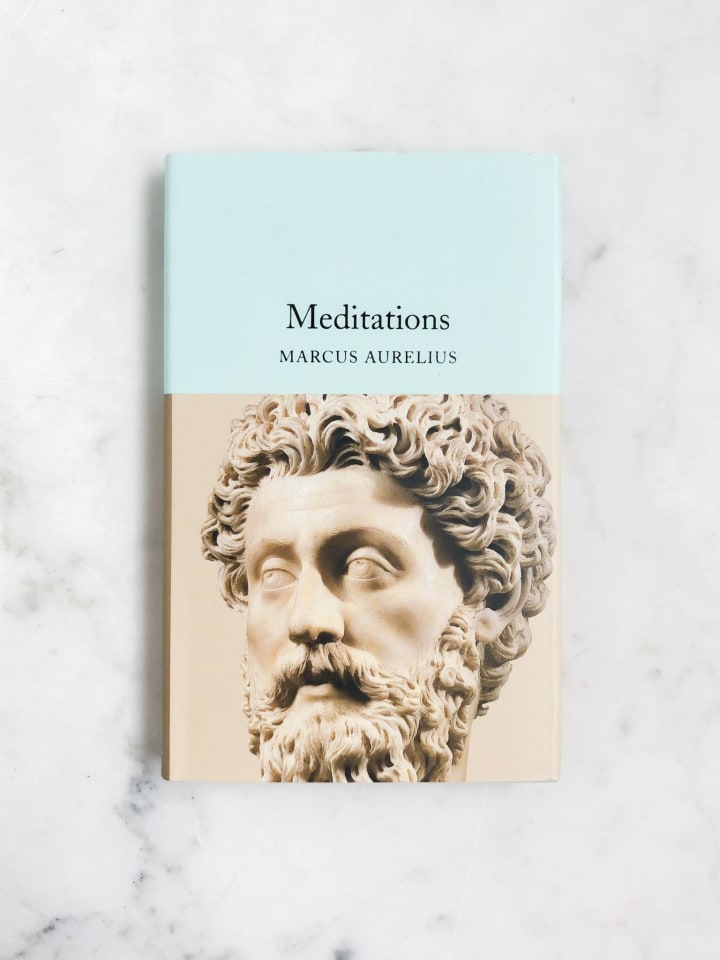
3. "Meditations" by Marcus Aurelius
Overview
"Meditations," written in the 2nd century AD by Roman Emperor Marcus Aurelius, is a timeless Stoic philosophy text. Originally private journal entries, it offers wisdom on living virtuously, accepting what cannot be changed, and finding inner peace. Its enduring relevance makes it a guide for navigating modern life’s complexities.
Summary
"Meditations" is a collection of Marcus’s reflections, written in Greek during military campaigns. Organized into 12 books, it explores themes like self-discipline, mortality, and rationality. Marcus advises focusing on what’s within our control (thoughts, actions) and letting go of what isn’t (others’ opinions, external events). He emphasizes gratitude, humility, and living in accordance with nature. Passages like “You have power over your mind—not outside events” resonate with readers seeking resilience and clarity.
Author Details
Marcus Aurelius (121–180 AD) was a Roman Emperor from 161 to 180 AD and a prominent Stoic philosopher. Known as one of the "Five Good Emperors," he ruled with justice and wisdom despite constant wars and plagues. "Meditations" was never intended for publication, reflecting his authentic, introspective thoughts.
Key Points
Stoic Control Dichotomy: Focus on what you can control; accept what you cannot.
Impermanence Awareness: Reflecting on mortality fosters gratitude and perspective.
Virtue as Purpose: Live with wisdom, justice, courage, and temperance.
Conclusion
These books—"Man’s Search for Meaning," "Atomic Habits," and "Meditations"—offer unique yet complementary paths to personal transformation. Frankl inspires purpose, Clear provides practical tools, and Aurelius teaches timeless wisdom. Together, they empower readers to find meaning, build better habits, and cultivate resilience.
About the Creator
Am@n Khan
I'm educational storyteller passionate about turning knowledge into engaging narratives.
I write about topics like science, history and life skills.
Contact
WhatsApp : +923336369634
My New Book is Finally Here
My poetry collection Beautiful and Brutal Things is done. It's actually done and finally published over 270 pages. Over a year of my life went into this book. More than a year, really. Long days at my computer, sometimes seven days a week because I couldn't stop even when I probably should have. Then two months of editing that felt harder than the writing itself. But it's finished, and I'm still standing, and the book is real.
By Tim Carmichael2 days ago in BookClub
Rachel Reviews: Paradise Cove - They Escaped the Cuckoo's Nest by Pini Dunner
On starting Pini Dunner's book, I was grateful for the thorough history that is provided at the start. This gives a much-needed context in order to enjoy the subsequent letters contained therein. The letters belong to George Nagel, an octagenarian pursuing a psychology degree which in itself would be remarkable; however, it is soon clear that this is just one remarkable thing in a life full of them.
By Rachel Deeminga day ago in BookClub




Comments
There are no comments for this story
Be the first to respond and start the conversation.