
Understanding Spider Veins: Symptoms, Treatment, and Prevention
Spider Veins
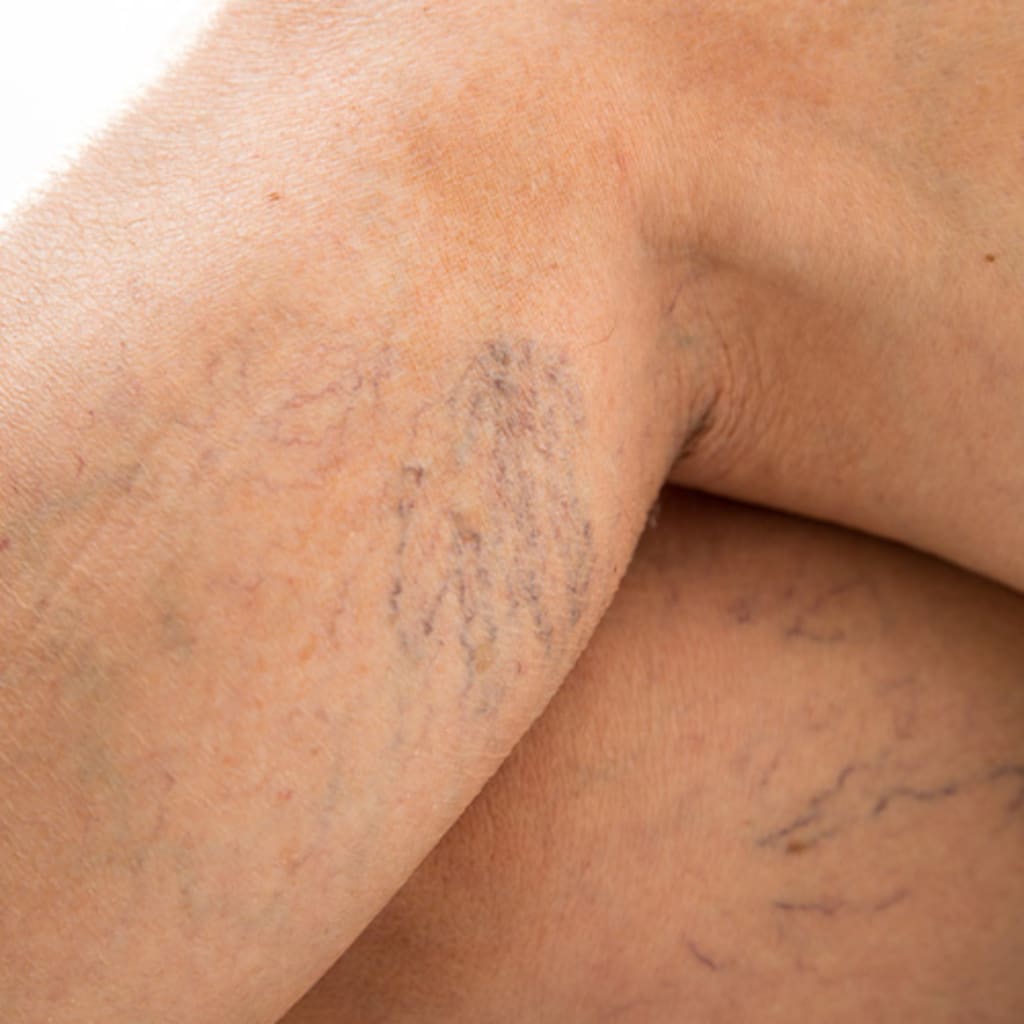
Spider veins, medically known as telangiectasia, are a common yet often misunderstood condition that affects millions of people worldwide. Characterized by small, dilated blood vessels that appear close to the surface of the skin, spider veins can form anywhere on the body but are most frequently seen on the legs and face. This blog post will delve into the symptoms, treatment options, and preventive measures associated with spider veins, providing a comprehensive guide to understanding and managing this condition.
What Are Spider Veins?
Spider veins are small, thin veins that appear red, blue, or purple and typically resemble a spider web or tree branches. While they are often mistaken for varicose veins, spider veins are smaller and generally not as raised or swollen. They are more common in women than men, although both sexes can be affected.
Symptoms of Spider Veins
The most notable symptom of spider veins is their appearance on the skin. However, some individuals may experience additional symptoms, including:
Aching or Heaviness: Many people report a sensation of heaviness or aching in the legs, particularly after prolonged sitting or standing. This discomfort may be more pronounced during warmer months or after extended periods of physical activity.
Burning or Itching: Some individuals may experience a burning or itchy sensation around the area where spider veins appear. This is often due to increased blood flow in the affected area.
Discoloration: Along with visible veins, some people may notice changes in skin color or texture near the affected areas.
It’s important to note that while spider veins are typically harmless, they can sometimes signal underlying venous insufficiency or other vascular issues. If you notice significant discomfort or changes in your skin, it’s advisable to consult a healthcare professional.
Causes of Spider Veins
Understanding the causes of spider veins can help individuals identify risk factors and take preventive measures. The primary factors contributing to the development of spider veins include:
Genetics: Family history plays a significant role in the likelihood of developing spider veins. If your parents or siblings have them, you may be more susceptible.
Hormonal Changes: Hormonal fluctuations, particularly during pregnancy, puberty, or menopause, can lead to the formation of spider veins. Hormones can weaken vein walls and increase blood flow to the area, making veins more visible.
Age: As people age, their skin loses elasticity, and veins may become more prominent. The risk of developing spider veins increases with age.
Prolonged Standing or Sitting: Jobs that require long periods of standing or sitting can contribute to the development of spider veins. This is due to increased pressure in the veins of the legs, which can lead to dilation.
Sun Exposure: Overexposure to UV rays can damage the skin and weaken blood vessels, leading to the formation of spider veins, especially on the face.
Obesity: Excess weight can put additional pressure on the veins, increasing the likelihood of developing spider veins.
Treatment Options for Spider Veins
If spider veins are causing discomfort or cosmetic concern, various treatment options are available. Here are some of the most common methods:
1. Sclerotherapy
Sclerotherapy is one of the most effective and widely used treatments for spider veins. During this procedure, a healthcare provider injects a solution (sclerosant) directly into the affected vein. This solution irritates the vein walls, causing them to collapse and fade from view. Sclerotherapy is usually performed in an outpatient setting and does not require anesthesia. Most patients experience minimal discomfort during the procedure, and results can often be seen within a few weeks.
2. Laser Therapy
Laser therapy uses focused light beams to target and diminish the appearance of spider veins. This method is particularly effective for smaller veins and is often preferred for treating facial spider veins. During the procedure, the laser light is directed at the affected veins, causing them to coagulate and gradually fade. Like sclerotherapy, laser therapy is typically painless and requires no downtime.
3. Radiofrequency Ablation
Radiofrequency ablation is a minimally invasive treatment that uses heat to close off affected veins. A thin catheter is inserted into the vein, and radiofrequency energy is applied to the vein wall, causing it to collapse. This technique is more commonly used for larger veins but can be effective for spider veins in certain cases.
4. Compression Stockings
For those seeking non-invasive options, wearing compression stockings can provide relief from symptoms associated with spider veins. These specially designed stockings apply pressure to the legs, improving blood flow and reducing the risk of vein dilation. Compression stockings come in various levels of compression and styles, allowing individuals to choose what works best for their needs.
5. Lifestyle Changes
In some cases, making certain lifestyle modifications can help reduce the appearance of spider veins and alleviate symptoms. Here are some effective strategies:
Exercise Regularly: Engaging in regular physical activity promotes healthy blood circulation and can help prevent spider veins from worsening. Activities like walking, swimming, and cycling are particularly beneficial.
Maintain a Healthy Weight: Keeping your weight in check can reduce the pressure on your veins and lower the risk of developing spider veins.
Elevate Your Legs: If you spend long periods sitting or standing, take breaks to elevate your legs. This can help reduce pressure in the veins and improve circulation.
Avoid Prolonged Sun Exposure: Protect your skin from UV damage by using sunscreen and wearing protective clothing.
Stay Hydrated: Proper hydration supports overall vascular health, so make sure to drink plenty of water throughout the day.
Preventing Spider Veins
While not all spider veins can be prevented, there are several steps you can take to minimize your risk:
Stay Active: Regular exercise enhances circulation and strengthens the muscles that support your veins. Aim for at least 30 minutes of moderate exercise most days of the week.
Maintain a Healthy Diet: A balanced diet rich in fiber, fruits, vegetables, and whole grains can support vascular health. Avoid excessive salt and processed foods, which can contribute to weight gain and worsen venous issues.
Limit Alcohol Consumption: Excessive alcohol can contribute to vein dilation and should be consumed in moderation.
Avoid Tight Clothing: Wearing tight-fitting clothing can restrict blood flow, so opt for loose-fitting attire, especially around the waist and legs.
Stay Cool: Heat can worsen the appearance of spider veins, so try to stay cool, especially in hot weather. Taking cool showers and avoiding hot baths can help.
Consult a Specialist: If you have a family history of spider veins or experience early signs, consider consulting a vascular specialist. They can provide personalized recommendations and monitor your vein health.
Conclusion
Spider veins are a common concern that can affect one’s self-esteem and comfort. Understanding the symptoms, causes, and available treatment options is crucial for managing this condition effectively. While spider veins may not pose serious health risks, they can indicate underlying venous issues. If you notice significant changes or experience discomfort, consult a healthcare professional for evaluation and personalized treatment options. By adopting preventive measures and making lifestyle changes, you can help minimize the risk of developing spider veins and maintain healthy, beautiful skin.
About the Creator
Keep reading
More stories from SKIN Clinics and writers in Blush and other communities.
Understanding Hormonal Acne: Causes, Treatments, and Solutions
Hormonal acne is a widespread skin condition that affects many individuals at different stages of life. It can be particularly frustrating due to its association with hormonal fluctuations, which can feel out of our control. This comprehensive guide aims to explore the causes, treatments, and lifestyle changes that can help manage and reduce the impact of hormonal acne.
By SKIN Clinicsabout a year ago in Blush
Aloe Vera in Skin Care
In recent years, the beauty industry has embraced aloe vera, infusing it into an array of skin care products ranging from moisturizers, serums, and masks to soothing gels and ointments. This versatile plant offers a variety of benefits for all skin types.
By Good health to everyoneabout 16 hours ago in Blush
Ludacris and Nelly draw backlash over bookings at MAGA-coded music festival
Ludacris and Nelly headlining a mostly right-wing event is good for them. It’s also great for the genre of hip hop. The two rap veterans have showcased their talents on other stages. Why can’t they perform for mostly MAGA folks and grab that bag?
By Skyler Saunders4 days ago in Beat




Comments (1)
The insights on treatment options were particularly helpful, as they provide clarity for anyone seeking solutions. I also found the prevention tips valuable; they empower readers to take proactive steps in managing their vascular health. Your engaging writing style makes the content enjoyable to read, which is essential for such an important topic.