
Understanding Hormonal Acne: Causes, Treatments, and Solutions
Hormonal Acne
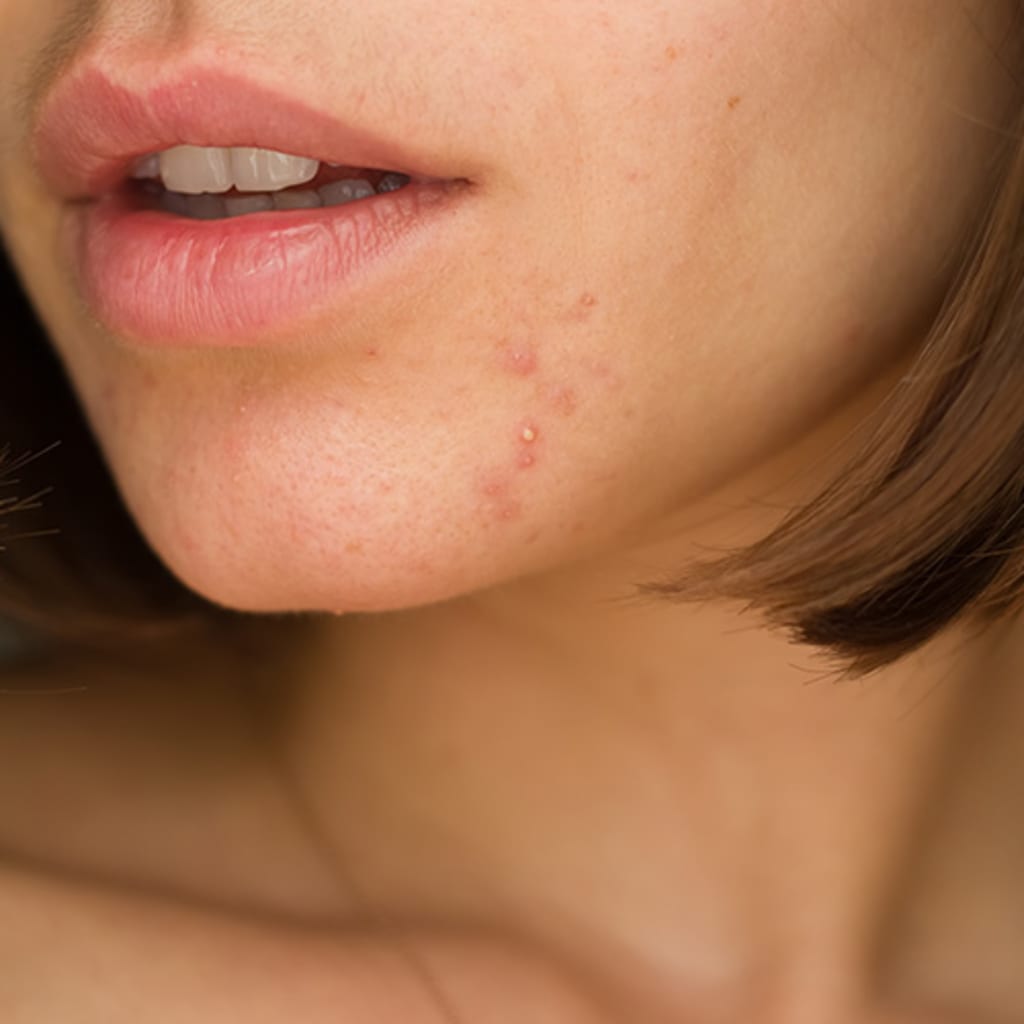
Hormonal acne is a widespread skin condition that affects many individuals at different stages of life. It can be particularly frustrating due to its association with hormonal fluctuations, which can feel out of our control. This comprehensive guide aims to explore the causes, treatments, and lifestyle changes that can help manage and reduce the impact of hormonal acne.
What is Hormonal Acne?
Hormonal acne is a specific type of acne triggered by fluctuations in hormone levels, particularly androgens like testosterone. These hormonal changes can lead to increased oil production in the skin, resulting in clogged pores, inflammation, and breakouts. Unlike typical acne that may appear anywhere on the face or body, hormonal acne often manifests on the lower face, jawline, neck, and sometimes the chest and back.
Distinguishing Hormonal Acne from Other Types
Understanding the characteristics of hormonal acne is essential for effective treatment. While other forms of acne, such as acne vulgaris or cystic acne, may occur in various locations and be associated with different factors, hormonal acne is particularly tied to hormonal imbalances. Breakouts tend to be deeper and more painful than other types of acne, often resembling cysts rather than typical pimples.
Key Causes of Hormonal Acne
1. Hormonal Fluctuations
Hormonal fluctuations are the primary driver of hormonal acne. These fluctuations can occur during various life stages:
Puberty: The surge of hormones during puberty can lead to increased oil production, resulting in acne.
Menstrual Cycle: Many women notice a correlation between their menstrual cycle and acne flare-ups. Hormone levels, especially estrogen and progesterone, fluctuate throughout the cycle, often leading to breakouts in the days leading up to menstruation.
Pregnancy and Postpartum: Hormonal changes during pregnancy can trigger acne, and many women experience breakouts after childbirth due to rapid hormonal shifts.
Polycystic Ovary Syndrome (PCOS): This hormonal disorder is characterized by elevated levels of androgens, which can lead to severe acne and other symptoms like irregular periods and weight gain.
2. Stress
Stress is a well-known exacerbating factor for many skin conditions, including hormonal acne. When we are stressed, the body releases cortisol, a hormone that can increase oil production and inflammation in the skin. This connection highlights the importance of stress management techniques in managing acne.
3. Diet
Emerging research indicates that diet can play a significant role in hormonal acne. Certain foods may trigger or worsen breakouts:
High-Glycemic Foods: Foods that cause rapid spikes in blood sugar, such as white bread and sugary snacks, can lead to increased insulin levels, which in turn can stimulate oil production.
Dairy Products: Some studies suggest that dairy consumption may be linked to acne, potentially due to hormones present in milk.
Processed Foods: Diets high in processed foods and sugars can lead to inflammation, contributing to acne flare-ups.
4. Other Factors
In addition to hormonal fluctuations and lifestyle choices, several other factors can contribute to hormonal acne:
Genetics: A family history of acne can increase your likelihood of experiencing hormonal acne.
Medications: Certain medications, including corticosteroids and some antidepressants, can contribute to hormonal imbalances and acne.
Environmental Factors: Pollution and humidity can exacerbate skin issues, making it more challenging to manage acne.
Effective Treatments for Hormonal Acne
Managing hormonal acne often requires a multi-faceted approach. Here are some effective treatment options:
Topical Treatments
Topical treatments can be highly effective for managing acne. Consider incorporating the following into your skincare routine:
Retinoids: These vitamin A derivatives are among the most effective treatments for acne. They help unclog pores, promote cell turnover, and reduce inflammation. Over-the-counter options like adapalene are available, while stronger prescriptions may be necessary for severe cases.
Benzoyl Peroxide: This powerful ingredient reduces acne-causing bacteria and helps to unclog pores. It can be found in various forms, including gels, creams, and cleansers.
Salicylic Acid: A beta hydroxy acid (BHA) that penetrates the pores to exfoliate from within, helping to prevent and treat breakouts. It’s particularly effective for oily skin types.
Oral Medications
For more persistent hormonal acne, oral medications may be necessary:
Birth Control Pills: Hormonal contraceptives can help regulate the menstrual cycle and reduce acne by lowering androgen levels. Many women find significant improvement in their skin after starting birth control.
Spironolactone: This anti-androgen medication works by blocking testosterone receptors and reducing oil production. It is particularly effective for women suffering from hormonal acne.
Lifestyle Adjustments
In addition to topical and oral treatments, lifestyle changes can have a positive impact on your skin:
Skincare Routine: Establish a consistent skincare routine that includes gentle cleansers, non-comedogenic moisturizers, and targeted treatments. Avoid harsh scrubs and abrasive products that can irritate the skin.
Dietary Changes: Focus on a balanced diet rich in whole foods, including fruits, vegetables, whole grains, and lean proteins. Limit high-glycemic foods and dairy if you notice a correlation with breakouts.
Hydration: Drink plenty of water to help flush out toxins and maintain skin hydration.
Stress Management: Incorporate stress-reducing activities like yoga, meditation, or regular exercise into your routine. These practices can help regulate hormones and improve overall well-being.
Professional Treatments
If over-the-counter and lifestyle approaches aren’t enough, consider professional treatments:
Chemical Peels: A dermatologist can perform chemical peels using acids that exfoliate the skin, helping to unclog pores and reduce inflammation.
Laser Therapy: Various laser treatments can target acne and help with healing. These procedures often reduce inflammation and scarring.
Skincare Routine for Hormonal Acne
Creating an effective skincare routine is essential for managing hormonal acne. Here’s a simple step-by-step guide:
Morning Routine:
Gentle Cleanser: Use a sulfate-free cleanser to remove excess oil without stripping your skin.
Treatment Product: Apply a topical treatment containing salicylic acid or benzoyl peroxide to targeted areas.
Moisturizer: Choose a lightweight, non-comedogenic moisturizer to keep your skin hydrated.
Sunscreen: Always apply a broad-spectrum SPF to protect your skin from UV damage.
Evening Routine:
Makeup Remover: Use a gentle makeup remover or micellar water to cleanse your skin.
Cleanser: Follow with your morning cleanser to ensure all impurities are removed.
Retinoid: Apply a retinoid product to promote cell turnover and prevent breakouts.
Moisturizer: Finish with a nourishing moisturizer to support skin recovery overnight.
Conclusion
Hormonal acne can be a challenging condition, but understanding its causes and exploring effective treatments can lead to improved skin health. Whether through topical solutions, lifestyle adjustments, or professional interventions, there are numerous avenues to pursue.
If you’re struggling with persistent hormonal acne, consider consulting a dermatologist for personalized guidance and treatment options. Remember, clear skin is achievable, and you deserve to feel confident in your skin!
About the Creator
Keep reading
More stories from SKIN Clinics and writers in Blush and other communities.
Understanding Melasma: A Comprehensive Guide
Melasma is a prevalent skin condition that affects many individuals, particularly women. Characterized by dark, irregular patches on the face, melasma can be both a cosmetic concern and a source of emotional distress. This blog post delves into the causes, symptoms, treatment options, and prevention strategies for melasma, offering a thorough understanding of this common skin disorder.
By SKIN Clinicsabout a year ago in Blush
The Story of Tyler and Charlie
JOHN BROWN V. HITLER In a world often divided by prejudice and misunderstanding, the meeting of two seemingly opposing figures, Tyler and Charlie, became a pivotal moment in their lives. Tyler, known for his compassionate heart, found himself in a position that challenged his beliefs and values. Charlie, who had lived a life filled with controversy and conflict, represented a past that many wished to forget. Yet, in this extraordinary encounter, Tyler saw an opportunity for redemption and forgiveness that could transcend their differences.
By Organic Products 5 days ago in Blush



Comments
There are no comments for this story
Be the first to respond and start the conversation.