
Understanding Pimples and How to Get Clear Skin
The Real Causes Behind Facial Acne and Proven Remedies to Restore Your Confidence Naturally
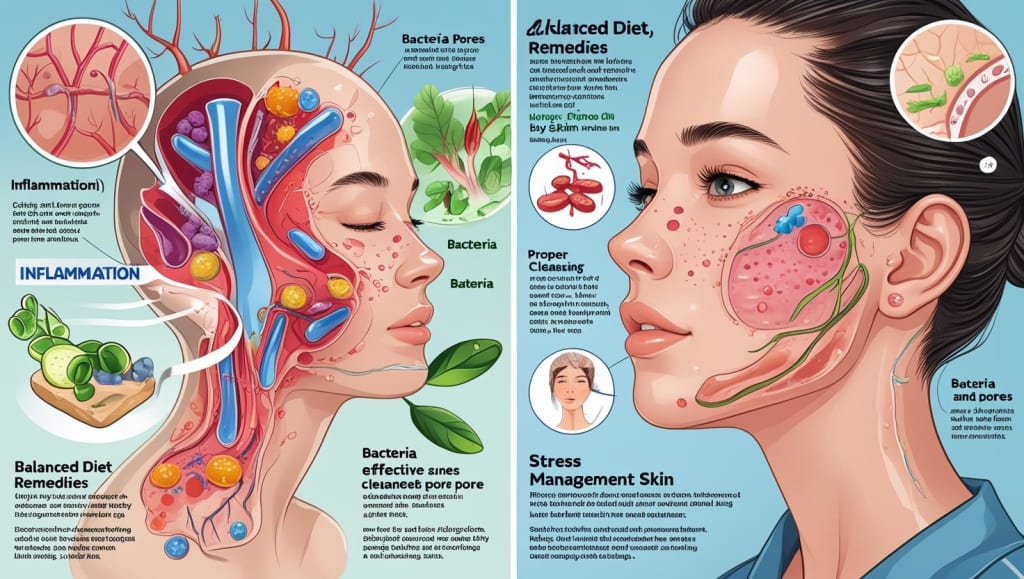
Pimples — small, inflamed bumps that appear on your face, sometimes painfully, often annoyingly — are one of the most common skin conditions in the world. Nearly everyone, at some point in life, faces the reality of waking up to an unwanted zit on the forehead, chin, or cheek.
But what causes pimples? Are they simply a rite of passage during adolescence, or is there more going on beneath the surface? More importantly, what can you do to prevent and treat them naturally and effectively?
In this in-depth article, we’ll uncover the science behind pimples, explore the various types of acne, break down the root causes, debunk common myths, and share both natural and medical remedies that have proven successful for millions of people worldwide.
---
What Is a Pimple, Really?
A pimple, medically known as acne vulgaris, is a type of inflammation that develops when hair follicles (also called pores) become clogged with oil (sebum), dead skin cells, and bacteria. Your body produces sebum to keep skin lubricated and protected, but when overproduced, it can mix with dead cells and plug up the pores. This creates the perfect breeding ground for bacteria, leading to swelling, redness, and pus — the classic characteristics of a pimple.
---
Types of Pimples
Not all pimples are the same. Understanding what kind you’re dealing with can help you choose the right treatment.
1. Whiteheads – These are closed clogged pores. They stay beneath the skin and appear as small white bumps.
2. Blackheads – Open clogged pores exposed to air, causing the contents to oxidize and turn black.
3. Papules – Small red bumps that are inflamed but don’t have pus.
4. Pustules – Inflamed, pus-filled pimples, usually with a white center and red base.
5. Nodules – Hard, painful lumps under the skin. They form deep in the dermis and take longer to heal.
6. Cystic Acne – The most severe form of acne, cystic acne is deep, inflamed, pus-filled, and can lead to scarring.
---
The Root Causes of Pimples on the Face
There isn’t a single reason why pimples form — rather, it’s usually a combination of internal and external factors.
1. Hormonal Fluctuations
Teenagers aren’t the only ones affected. Hormonal changes during menstruation, pregnancy, menopause, or due to conditions like PCOS can all trigger breakouts.
Androgens (male hormones present in both men and women) stimulate the sebaceous glands to produce more oil.
2. Excess Sebum Production
Oily skin is more prone to acne because the surplus oil can clog pores and trap bacteria.
3. Bacteria
Propionibacterium acnes is the main acne-causing bacteria that thrives in clogged pores.
4. Diet
Diets high in dairy, sugar, and refined carbs can increase inflammation and spike insulin levels, which may contribute to acne.
5. Stress
Stress can increase cortisol levels, which may indirectly boost oil production and cause breakouts.
6. Cosmetics and Skin Products
Certain products contain comedogenic ingredients that clog pores. Always look for “non-comedogenic” labels.
7. Poor Hygiene
Not washing your face properly, sleeping on dirty pillowcases, or touching your face with dirty hands can introduce bacteria and grime.
---
Common Myths About Pimples
There’s a lot of misinformation out there. Let’s bust some common myths:
Myth #1: Pimples only happen to teenagers.
Fact: Acne can occur at any age — even in your 30s, 40s, and beyond.
Myth #2: Dirty skin causes pimples.
Fact: While hygiene matters, pimples are more about what’s happening inside your body and pores.
Myth #3: You should pop your pimples.
Fact: Popping can lead to scarring, infection, and more inflammation.
Myth #4: Tanning helps clear acne.
Fact: While sun exposure can temporarily dry out pimples, it can actually worsen acne long-term and damage your skin.
---
How to Prevent Pimples Naturally
Preventing pimples starts with consistency and care. Here are some tried-and-true methods:
1. Cleanse Gently
Use a mild, sulfate-free cleanser twice a day to remove dirt and oil.
Avoid over-washing, which can irritate skin and increase oil production.
2. Exfoliate Regularly
Use gentle exfoliants (like salicylic acid) 1-3 times a week to prevent dead skin buildup.
3. Hydrate
Even oily skin needs moisture. Use a lightweight, non-comedogenic moisturizer daily.
4. Eat Skin-Friendly Foods
Focus on whole foods: leafy greens, berries, nuts, seeds, and omega-3-rich fish.
Reduce dairy, sugar, and processed carbs.
5. Stay Hydrated
Drinking at least 8 glasses of water daily can help flush toxins and keep skin clear.
6. Manage Stress
Practice yoga, meditation, exercise, or breathing techniques to reduce cortisol levels.
7. Get Enough Sleep
Sleep is when your body (and skin) repairs itself. Aim for 7–9 hours per night.
---
Effective Home Remedies for Pimples
Natural remedies can be a great way to treat mild acne without harsh chemicals.
Tea Tree Oil: Known for its antibacterial properties. Dilute before applying.
Aloe Vera: Soothes inflammation and helps with healing.
Honey & Cinnamon Mask: Both have antimicrobial properties.
Green Tea: Applying cooled green tea as a toner can reduce inflammation.
Apple Cider Vinegar: Can help kill acne-causing bacteria (use diluted).
Always patch-test natural remedies first to check for skin sensitivity.
---
When to See a Dermatologist
If your acne is persistent, painful, or leaving scars, it’s time to consult a professional. Dermatologists can offer:
Prescription-strength topical treatments (like retinoids or antibiotics)
Oral medications (birth control, antibiotics, isotretinoin)
In-office procedures (chemical peels, laser therapy, extractions)
Early treatment can prevent long-term damage like hyperpigmentation or scarring.
---
How to Build an Acne-Friendly Skincare Routine
1. Morning Routine:
Cleanser
Toner (optional)
Spot treatment (if needed)
Moisturizer
Sunscreen (non-comedogenic)
2. Evening Routine:
Gentle makeup removal
Cleanser
Exfoliator (2–3x/week)
Treatment serum (salicylic acid, niacinamide, etc.)
Moisturizer
Avoid using too many active ingredients at once. Consistency is key — it can take 4–8 weeks to see visible improvements.
---
Living With Pimples: It’s About More Than Skin
Acne doesn’t just affect your face — it affects your confidence, self-image, and sometimes your mental health. That’s why it’s important to address both the physical and emotional aspects.
Be kind to yourself. You are not defined by your skin.
Avoid comparisons. Everyone’s skin journey is different.
Seek support. Whether it’s from online forums, friends, or therapists, talking helps.
---
Final Thoughts
Pimples are frustrating, but they’re also treatable. By understanding the root causes and applying consistent, targeted strategies — both natural and clinical — you can regain control of your skin and boost your confidence.
Whether you're battling a few monthly breakouts or dealing with chronic acne, remember: healing is a journey. Your skin deserves patience, care, and respect.
About the Creator
Hasbanullah
I write to awaken hearts, honor untold stories, and give voice to silence. From truth to fiction, every word I share is a step toward deeper connection. Welcome to my world of meaningful storytelling.
Keep reading
More stories from Hasbanullah and writers in Blush and other communities.
The Miracle Tree: 12 Science-Backed Health Benefits of Moringa”
In a world where superfoods rise and fall in popularity like diet trends, Moringa oleifera—commonly known as the miracle tree—has earned its place not just as a trend but as a time-tested remedy. With roots in Ayurvedic medicine and usage across Africa, Asia, and South America, this humble tree has become a symbol of nutrition, healing, and sustainable living.
By Hasbanullah6 months ago in Blush
Aloe Vera in Skin Care
In recent years, the beauty industry has embraced aloe vera, infusing it into an array of skin care products ranging from moisturizers, serums, and masks to soothing gels and ointments. This versatile plant offers a variety of benefits for all skin types.
By Good health to everyone2 days ago in Blush
Wild Card Weekend Recap: What Happens Now?
I think I figured out why I love Wild Card Weekend so much. It's because it's the first playoff anything of the calendar year. The NFL season starts in the fall, and once upon a time, the champion was crowned either on or slightly before New Year's. The evolution of the NFL schedule has resulted in the playoffs starting just into the New Year, and currently, the final week of the season falls on the first weekend of the New Year, with Wild Card Weekend coming a week after that. So yes, chronologically, the NFL's Wild Card Weekend serves as the first playoff anything of the calendar year.
By Clyde E. Dawkins7 days ago in Unbalanced



Comments
There are no comments for this story
Be the first to respond and start the conversation.