
Understanding Laser Treatment for Rosacea: A Comprehensive Guide
Laser Treatment for Rosacea
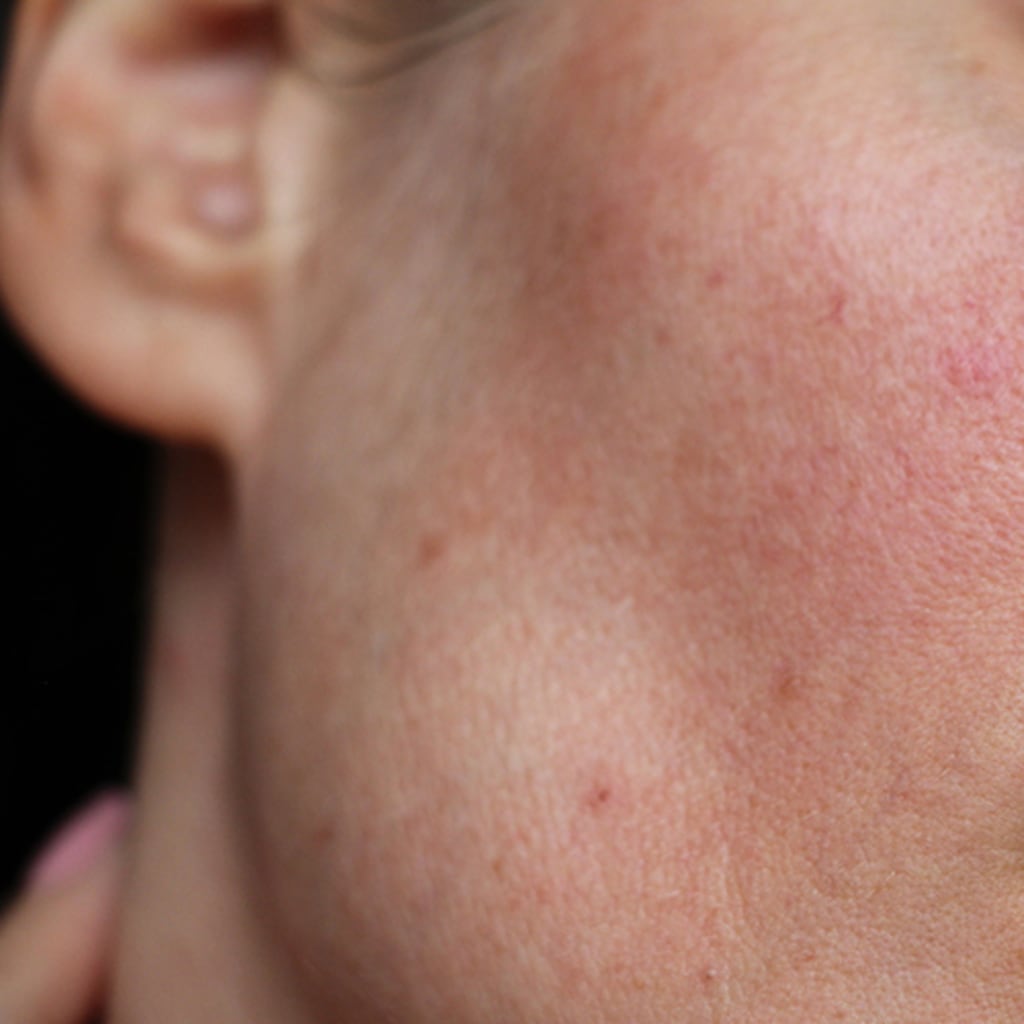
Rosacea is a common skin condition that affects millions of people worldwide, characterized by persistent redness, visible blood vessels, and sometimes acne-like breakouts. It can significantly impact self-esteem and quality of life. For those seeking effective relief, laser treatment has emerged as a promising solution. In this blog post, we will explore what rosacea is, the types of laser treatments available, their benefits, potential side effects, and what to expect during and after treatment.
What is Rosacea?
Rosacea is a chronic skin condition that typically manifests in adulthood, with symptoms ranging from mild redness to severe inflammation. Although its exact cause is unknown, several factors can contribute to its development:
Genetics: Family history of rosacea can increase the likelihood of developing the condition.
Environmental Triggers: Sun exposure, extreme temperatures, wind, and humidity can exacerbate symptoms.
Lifestyle Factors: Alcohol, spicy foods, stress, and certain skincare products may trigger flare-ups.
Microorganisms: Some studies suggest that a skin mite called Demodex may play a role in rosacea.
Symptoms of Rosacea
Rosacea symptoms can vary widely but typically include:
- Persistent facial redness
- Visible blood vessels (telangiectasia)
- Bumps and pimples that resemble acne
- Dry, irritated skin
Burning or stinging sensations
These symptoms can fluctuate, often worsening with certain triggers. Understanding the nature of your rosacea can help you manage it more effectively.
The Role of Laser Treatment in Rosacea Management
While there is no cure for rosacea, various treatments can help manage symptoms. Topical medications and oral antibiotics are commonly prescribed, but laser therapy has gained popularity due to its effectiveness in targeting the visible symptoms of the condition.
Types of Laser Treatments
Pulsed Dye Laser (PDL)
The Pulsed Dye Laser is one of the most common treatments for rosacea. It targets blood vessels under the skin, effectively reducing redness and inflammation. The laser emits a concentrated beam of light that is absorbed by the hemoglobin in blood vessels, leading to their collapse and eventual absorption by the body.
Benefits:
- Reduces redness and flushing
- Minimizes visible blood vessels
- Safe for various skin types
- Intense Pulsed Light (IPL)
While not a laser in the traditional sense, Intense Pulsed Light therapy uses broad-spectrum light to treat rosacea. IPL can address redness, pigmentation, and even the texture of the skin. This treatment involves multiple wavelengths of light, allowing for a versatile approach to skin concerns.
Benefits:
- Treats multiple skin issues simultaneously
- Non-invasive with minimal downtime
- Improves skin texture and tone
- Nd
- Laser
The Nd
(Neodymium-doped Yttrium Aluminum Garnet) laser is effective for deeper blood vessels and can also help with the thickened skin that sometimes accompanies rosacea. This laser penetrates deeper layers of skin and is especially useful for more severe cases.
Benefits:
- Targets deeper blood vessels effectively
- Suitable for a range of skin types
- Less risk of hyperpigmentation
- Fractional Laser
Fractional lasers are designed to create micro-injuries in the skin, promoting the body’s natural healing process. While primarily used for skin texture improvement and scar treatment, fractional lasers can also be effective for rosacea, particularly when it comes to overall skin rejuvenation.
Benefits:
- Improves skin texture and elasticity
- Reduces redness and inflammation
- Stimulates collagen production
Benefits of Laser Treatment for Rosacea
Laser treatments offer several advantages for those dealing with rosacea:
Immediate Results: Many patients notice a reduction in redness after just one session.
Long-Lasting Effects: While multiple treatments may be necessary, the results can be long-lasting, helping to maintain clearer skin over time.
Minimal Downtime: Most laser treatments require little to no downtime, allowing patients to return to their daily activities quickly.
Customized Treatment Plans: Dermatologists can tailor treatment plans based on individual skin types and specific symptoms.
What to Expect During Treatment
Consultation
Before undergoing laser treatment, a consultation with a dermatologist is essential. During this appointment, your dermatologist will assess your skin, discuss your symptoms, and review your medical history to determine the most appropriate treatment option.
The Procedure
On the day of your treatment, you may be asked to:
Avoid sun exposure and certain medications that could increase bleeding, such as aspirin or anti-inflammatory drugs.
Arrive with clean skin, free of makeup or skincare products.
During the procedure:
A topical anesthetic may be applied to minimize discomfort.
The dermatologist will use a handheld laser device to target specific areas of your skin.
Sessions typically last between 30 minutes to an hour, depending on the extent of the treatment area.
Post-Treatment Care
After treatment, you may experience:
- Redness and swelling, similar to a mild sunburn
- Slight bruising in some cases
To promote healing, your dermatologist may recommend:
- Applying a soothing cream or gel
- Avoiding sun exposure and using sunscreen diligently
- Steering clear of harsh skincare products for a few days
Potential Side Effects and Risks
While laser treatments for rosacea are generally safe, some side effects may occur:
Temporary Redness: Most patients experience redness and swelling immediately following treatment, which usually subsides within a few hours to a couple of days.
Bruising: Some individuals may develop bruising, particularly with certain laser types.
Skin Sensitivity: Treated areas may feel sensitive or tender for a short time.
Pigmentation Changes: Rarely, changes in skin pigmentation can occur, especially in individuals with darker skin tones.
It’s crucial to discuss these potential risks with your dermatologist before treatment.
Conclusion
Laser treatment has revolutionized the management of rosacea, offering a viable solution for those looking to reduce redness and improve their skin’s appearance. With various options available, including Pulsed Dye Laser, Intense Pulsed Light, Nd, and fractional lasers, individuals can find a treatment that suits their needs.
If you're considering laser therapy for rosacea, schedule a consultation with a qualified dermatologist who can guide you through the process, customize a treatment plan, and help you regain your confidence in your skin. Remember, while rosacea can be challenging, effective treatment options are available to help you manage this condition and enjoy healthier, clearer skin.
About the Creator
Keep reading
More stories from SKIN Clinics and writers in Blush and other communities.
Unlocking Radiance: The Ultimate Guide to the Glow Peel
In the ever-evolving world of skincare, finding effective treatments that offer immediate and lasting results can feel overwhelming. Among the myriad options available, the Glow Peel has emerged as a standout choice for those looking to revitalize their complexion and achieve radiant skin. This comprehensive guide delves into everything you need to know about the Glow Peel, from its benefits and procedure to aftercare and expected results.
By SKIN Clinicsabout a year ago in Blush
Hand-Tied vs. Machine Wefts: The Ultimate Guide to Choosing Your Perfect Extensions
In the world of professional hair extensions, "wefts" are the gold standard for adding significant length and volume. However, the choice between Hand-Tied Wefts and Machine Wefts often leaves clients—and even some stylists—uncertain.
By Emma Smith3 days ago in Blush
The Modern Guide to Smooth, Healthy, and Confident Hair Care
Hair has always been more than just a physical feature. Across cultures and generations, it represents beauty, confidence, and personal identity. Whether long or short, natural or styled, hair plays a powerful role in how people express themselves. In recent years, advancements in beauty and grooming have transformed how individuals manage unwanted hair, especially with options like Laser Hair Removal in Islamabad, which reflects the growing demand for modern, effective solutions.
By Saad Imtiaz4 days ago in Blush
My New Book is Finally Here
My poetry collection Beautiful and Brutal Things is done. It's actually done and finally published over 270 pages. Over a year of my life went into this book. More than a year, really. Long days at my computer, sometimes seven days a week because I couldn't stop even when I probably should have. Then two months of editing that felt harder than the writing itself. But it's finished, and I'm still standing, and the book is real.
By Tim Carmichaela day ago in BookClub



Comments
There are no comments for this story
Be the first to respond and start the conversation.