
Understanding Brown Spots and Sun Damage: Prevention and Treatment
Brown Spots and Sun Damage
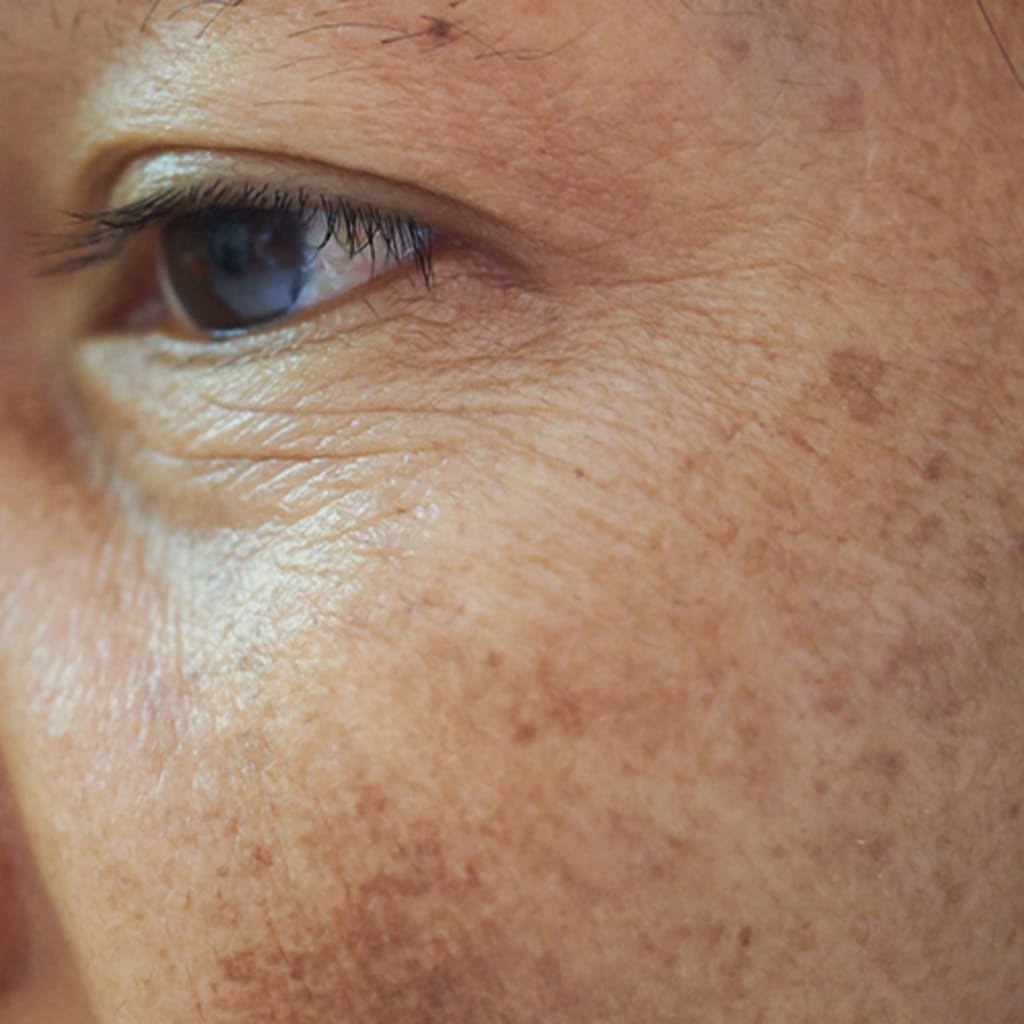
As summer draws to a close, many of us start noticing the effects of sun exposure on our skin. Brown spots, often referred to as age spots or sunspots, can become more pronounced, leading to concerns about our skin’s appearance and health. These spots are common, particularly on areas that receive a lot of sun, like the face, hands, and shoulders. In this post, we’ll dive into what causes brown spots, how to prevent them, and the best treatments available to help you achieve a clearer, healthier complexion.
What Causes Brown Spots?
Brown spots primarily result from prolonged exposure to ultraviolet (UV) rays from the sun. When your skin is exposed to sunlight, it reacts by producing more melanin, the pigment that gives skin its color, in an attempt to protect itself. Over time, this excess melanin can clump together, leading to the formation of brown spots.
Other Contributing Factors
While sun exposure is the main culprit, other factors can exacerbate the formation of brown spots:
Aging: As we age, our skin naturally becomes thinner and less resilient. This can lead to an increase in pigmentation issues, including brown spots.
Genetics: If your family has a history of brown spots, you may be more susceptible to developing them yourself.
Hormonal Changes: Conditions such as pregnancy or the use of birth control pills can lead to changes in melanin production, sometimes resulting in brown spots, known as melasma.
Certain Medications: Some medications can increase skin sensitivity to sunlight, making it easier to develop sun damage.
Prevention is Key
The best way to tackle brown spots is to prevent them from forming in the first place. Here are some effective strategies:
1. Daily Sunscreen Use
The most crucial step in preventing brown spots is daily sunscreen application. Choose a broad-spectrum sunscreen with an SPF of 30 or higher, and apply it generously to all exposed skin. Make it a part of your morning routine, even on cloudy days, as UV rays can penetrate through clouds and windows. Don’t forget to reapply every two hours, or more often if swimming or sweating.
2. Protective Clothing
When spending time outdoors, wearing protective clothing can significantly reduce your skin’s exposure to harmful UV rays. Opt for wide-brimmed hats, long-sleeved shirts, and UV-blocking sunglasses. Additionally, many brands offer clothing with built-in UV protection, which can be especially beneficial during outdoor activities.
3. Avoid Tanning Beds
Tanning beds are another source of UV exposure that can contribute to the development of brown spots. They can cause immediate and long-term damage to your skin. Instead, consider using sunless tanning products, which can give you a healthy glow without the harmful effects of UV rays.
4. Regular Skin Checks
Keeping an eye on your skin can help you catch any changes early. Regularly check for new spots or changes in existing ones. If you notice anything unusual, consult with a dermatologist for professional evaluation and advice.
Treatment Options
If you already have brown spots, there’s no need to worry. There are numerous treatments available that can help lighten or eliminate them. Here are some popular options:
1. Topical Treatments
Over-the-counter creams can be effective in fading brown spots over time. Look for products containing:
Hydroquinone: A skin-lightening agent that can help reduce pigmentation.
Kojic Acid: Derived from mushrooms, this natural ingredient helps brighten skin and reduce dark spots.
Retinol: A derivative of vitamin A, retinol promotes cell turnover and can improve skin texture and tone.
Vitamin C: This powerful antioxidant helps brighten the skin and reduce the appearance of dark spots.
2. Chemical Peels
Chemical peels involve applying a solution to exfoliate the top layer of skin. This process can help reduce pigmentation and improve overall skin texture. There are different strengths of chemical peels, so consult with a skincare professional to determine the best option for your skin type and concerns.
3. Laser Therapy
Laser treatments can target specific pigmented areas and help to break down melanin deposits in the skin. Different types of lasers are available, so it’s essential to consult a dermatologist who can recommend the most suitable treatment based on your skin type and the extent of the damage.
4. Microdermabrasion
This procedure uses tiny crystals to exfoliate the skin’s surface, which can help diminish the appearance of brown spots. It’s a non-invasive option that can improve skin texture and promote a more even skin tone.
5. Prescription Options
If over-the-counter treatments aren’t providing the desired results, a dermatologist may prescribe stronger medications. These might include prescription-strength retinoids or other topical agents specifically designed to target hyperpigmentation.
Lifestyle Tips for Healthy Skin
In addition to prevention and treatment, maintaining overall skin health can significantly impact the appearance of brown spots. Here are some lifestyle tips to keep your skin looking its best:
Stay Hydrated: Drink plenty of water to keep your skin hydrated from the inside out. Proper hydration can enhance your skin’s elasticity and overall appearance.
Eat a Balanced Diet: Incorporate a variety of fruits, vegetables, and healthy fats into your diet. Foods rich in antioxidants, like berries and leafy greens, can help protect your skin from damage.
Get Regular Exercise: Physical activity promotes circulation and can give your skin a healthy glow. Aim for at least 30 minutes of moderate exercise most days of the week.
Avoid Smoking: Smoking can accelerate skin aging and contribute to the formation of brown spots. If you smoke, consider seeking support to quit.
Limit Alcohol Consumption: Excessive alcohol can dehydrate your skin and exacerbate pigmentation issues. Enjoy alcohol in moderation.
Conclusion
Brown spots and sun damage can be frustrating, but with the right prevention and treatment strategies, you can achieve a healthier, more radiant complexion. Remember, consistency is key—whether it’s applying sunscreen daily or sticking to your skincare routine. Don’t hesitate to consult with a dermatologist for personalized advice and treatment options.
Your skin deserves the best care, so embrace it and protect it from the sun’s harmful rays. By taking proactive steps, you can maintain your skin’s beauty and health for years to come. Here’s to glowing skin! 🌞✨
About the Creator
Keep reading
More stories from SKIN Clinics and writers in Blush and other communities.
Navigating Life with Eczema: A Comprehensive Guide to Understanding and Managing Atopic Dermatitis
Eczema, also known as atopic dermatitis, is a common yet complex skin condition that affects millions of people around the globe. Despite its prevalence, the nuances of living with eczema are often misunderstood. This comprehensive guide aims to shed light on the condition, offering practical advice and strategies for managing it effectively.
By SKIN Clinicsabout a year ago in Blush
Aloe Vera in Skin Care
In recent years, the beauty industry has embraced aloe vera, infusing it into an array of skin care products ranging from moisturizers, serums, and masks to soothing gels and ointments. This versatile plant offers a variety of benefits for all skin types.
By Good health to everyone2 days ago in Blush
Elevate Your Style: The Ultimate 2026 Guide to Men’s Hair Highlights
In the evolving world of men’s grooming, hair color is no longer just about covering up grays. Today, highlights have become a powerful tool for self-expression, allowing men to add depth, character, and a modern edge to their appearance.
By Alex Morganabout 3 hours ago in Blush



Comments (1)
Is that the same as Keratosis?