
Navigating Life with Eczema: A Comprehensive Guide to Understanding and Managing Atopic Dermatitis
Eczema
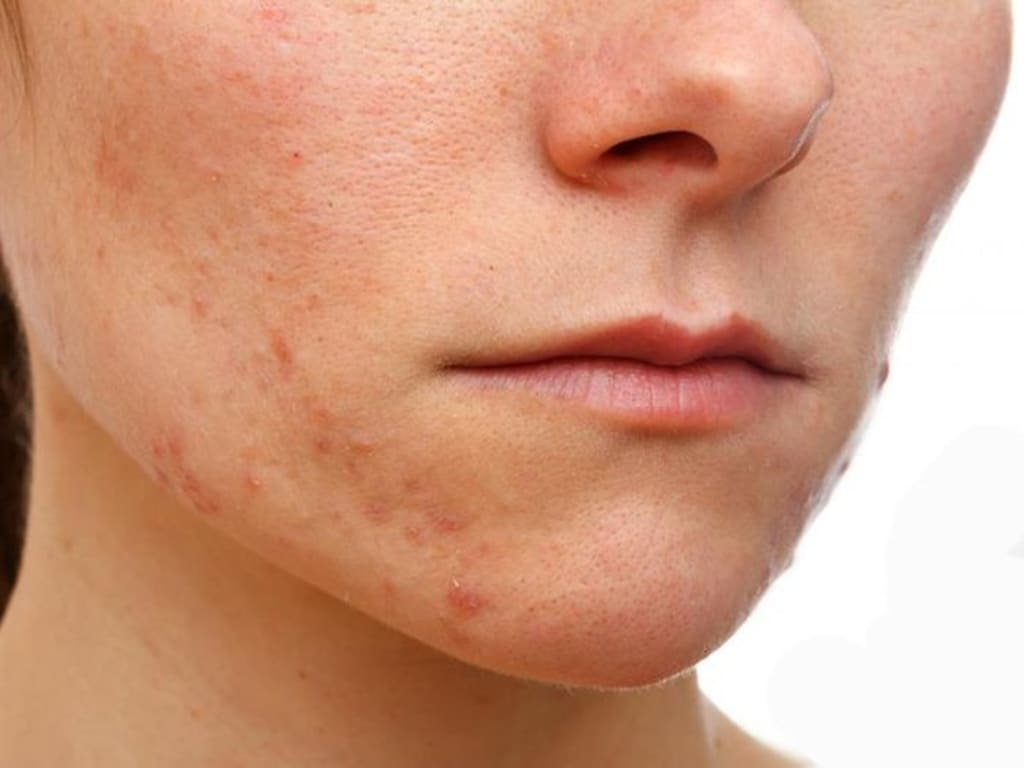
Eczema, also known as atopic dermatitis, is a common yet complex skin condition that affects millions of people around the globe. Despite its prevalence, the nuances of living with eczema are often misunderstood. This comprehensive guide aims to shed light on the condition, offering practical advice and strategies for managing it effectively.
What is Eczema?
Eczema is an umbrella term for a group of conditions that cause inflammation, redness, and irritation of the skin. Atopic dermatitis is the most prevalent form and is particularly challenging due to its chronic nature. It is characterized by dry, itchy patches that can appear anywhere on the body but are commonly found on the elbows, knees, and face.
Recognizing the Symptoms
Understanding the symptoms of eczema is crucial for effective management. Common signs include:
Itchy Skin: The itchiness associated with eczema is often intense and can lead to scratching, which exacerbates the condition.
Red, Inflamed Patches: These patches may vary in size and can appear anywhere on the body. Inflammation can also cause swelling and discomfort.
Dry, Scaly Skin: Affected areas may become rough, dry, and flaky. In severe cases, this can lead to cracking and bleeding.
Thickened Skin: Prolonged scratching can result in thickened skin, known as lichenification, which can further aggravate the condition.
Understanding the Causes
Eczema’s exact cause remains elusive, but it is believed to be the result of a combination of genetic and environmental factors. Some of the common triggers include:
Allergens: Substances like pollen, pet dander, and dust mites can worsen symptoms. Identifying and managing exposure to these allergens can be crucial.
Irritants: Everyday products such as soaps, detergents, and certain fabrics can irritate the skin. Opting for gentle, fragrance-free alternatives can help.
Weather Conditions: Extreme temperatures, humidity changes, and harsh weather conditions can trigger flare-ups. Keeping the skin protected and well-moisturized can mitigate these effects.
Stress: Emotional and psychological stress is known to exacerbate eczema. Incorporating stress-relief techniques into daily routines can be beneficial.
Effective Management Strategies
While there is no cure for eczema, effective management can significantly improve quality of life. Here are some strategies:
Hydration is Key: Regularly applying moisturizers is essential for maintaining skin hydration. Emollient creams and ointments are often more effective than lotions. Look for products designed specifically for sensitive skin, free from fragrances and dyes.
Avoid Triggers: Identifying personal triggers through observation and keeping a symptom diary can help manage flare-ups. Common irritants include certain fabrics (like wool), harsh detergents, and environmental allergens.
Medications: Over-the-counter and prescription medications can help control inflammation and itching. Topical corticosteroids are commonly prescribed, but other options include calcineurin inhibitors and antihistamines. Always follow your healthcare provider’s guidance when using these treatments.
Gentle Skin Care: Choose mild, soap-free cleansers and avoid hot water, which can strip the skin of its natural oils. Opt for lukewarm water and pat the skin dry gently with a soft towel.
Stress Management: Stress can have a profound impact on eczema. Techniques such as mindfulness, meditation, and yoga can help manage stress levels. Finding hobbies and activities that promote relaxation can also be beneficial.
Daily Life with Eczema
Living with eczema involves more than just managing flare-ups. It requires adjustments in daily routines and lifestyle. Here are some tips to help navigate life with eczema:
Clothing Choices: Wear soft, breathable fabrics like cotton. Avoid wool and other rough materials that can irritate the skin. Washing clothes in mild, fragrance-free detergents can also help reduce irritation.
Home Environment: Keep your living environment free from dust and allergens. Use air purifiers and maintain a clean, dust-free home. In dry climates, using a humidifier can help keep the skin hydrated.
Diet and Nutrition: While there is no specific diet for eczema, some people find that certain foods can trigger flare-ups. Keeping a food diary may help identify any potential dietary triggers. A balanced diet rich in omega-3 fatty acids, antioxidants, and vitamins can support overall skin health.
Support and Resources
Dealing with eczema can be challenging, but support is available. Here are some resources that can provide help and guidance:
Online Communities: Joining online forums and support groups can connect you with others who understand the struggles of living with eczema. These communities offer valuable advice, shared experiences, and emotional support.
Healthcare Providers: Regular consultations with dermatologists or allergists can provide personalized treatment plans and management strategies. They can offer insights into new treatments and therapies that may be effective.
Educational Resources: Many organizations, such as the National Eczema Association and the American Academy of Dermatology, provide educational materials and resources to help individuals understand and manage eczema.
Final Thoughts
Eczema is a multifaceted condition that affects more than just the skin. It impacts daily life and overall well-being, making effective management crucial. By understanding the condition, recognizing symptoms, and implementing practical strategies, you can improve your quality of life and better navigate the challenges of eczema.
If you or someone you know is dealing with eczema, remember that support is available, and effective treatments can make a significant difference. Share your own experiences and tips in the comments below, and let’s work together to raise awareness and support for those living with eczema.
About the Creator
Keep reading
More stories from SKIN Clinics and writers in Blush and other communities.
Understanding and Treating Acne Scars: Your Comprehensive Guide
Acne scars can be more than just a physical reminder of past breakouts; they can also impact your self-esteem and confidence. Whether you’re dealing with deep pitted scars or post-inflammatory hyperpigmentation, there are effective strategies and treatments that can help you achieve smoother, more even skin. In this guide, we’ll explore the different types of acne scars and how to address them.
By SKIN Clinicsabout a year ago in Blush
The Modern Guide to Smooth, Healthy, and Confident Hair Care
Hair has always been more than just a physical feature. Across cultures and generations, it represents beauty, confidence, and personal identity. Whether long or short, natural or styled, hair plays a powerful role in how people express themselves. In recent years, advancements in beauty and grooming have transformed how individuals manage unwanted hair, especially with options like Laser Hair Removal in Islamabad, which reflects the growing demand for modern, effective solutions.
By Saad Imtiaz4 days ago in Blush
Rachel Reviews: The Spiral Archive by Pieter Hendrik
It's difficult for me to know where to start with a review of this book as it was, for me, an entirely unique experience and one that I'll probably never have again. I don't want that to be interpreted as unenjoyable but it has left me scratching my head a little and ruminating on its content, its themes and its characters.
By Rachel Deeminga day ago in BookClub


Comments
There are no comments for this story
Be the first to respond and start the conversation.