
Traditional Chinese Medicine & Techniques for Hair Loss
An Exploration of Herbal Remedies and Acupuncture

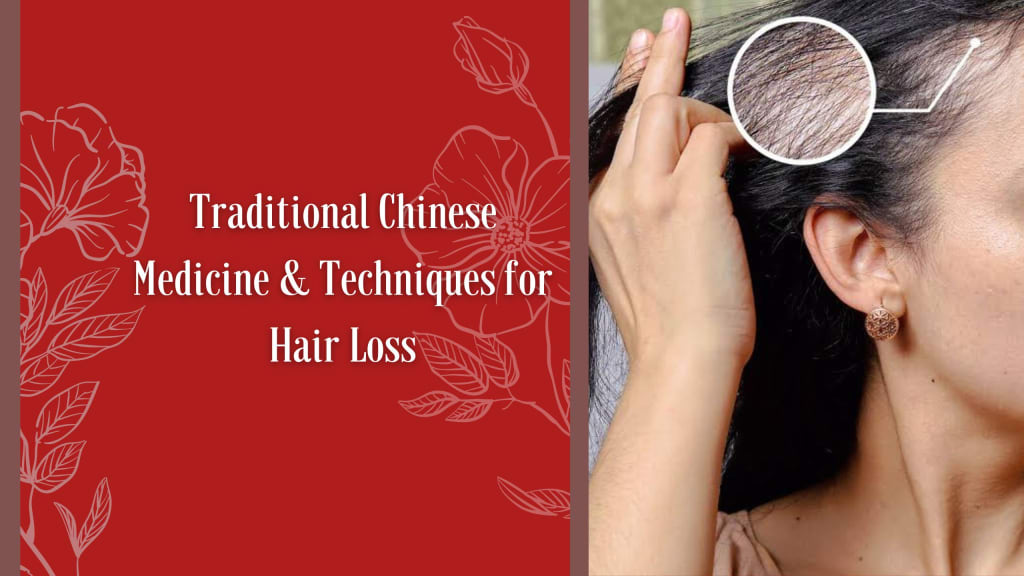
For both men and women hair loss can be a distressing thing. It can lead to a loss of confidence and self-esteem, affecting every aspect of one's life. In recent years, traditional Chinese medicine (TCM) has emerged as a popular alternative therapy for hair loss. TCM practitioners believe that hair loss is a manifestation of an underlying imbalance in the body. They use herbal remedies and acupuncture to restore the balance and promote hair growth. In this article, we will explore the effectiveness of TCM for hair loss and the herbal remedies and acupuncture used in its treatment.
Understanding Hair Loss in TCM (Traditional Chinese Medicine)

TCM considers hair to be a manifestation of blood and nourishment. According to TCM theory, the health of the hair depends on the strength of the kidney, liver, and spleen. The kidney stores essence, which nourishes the hair. The liver regulates the blood flow, and the spleen transforms food into nutrients for the body. An imbalance in any of these organs can lead to hair loss.
TCM practitioners diagnose hair loss based on the pattern of hair loss, the quality of the hair, and the underlying symptoms. They use a combination of herbal remedies and acupuncture to restore the balance in the body and promote hair growth.
Herbal Remedies for Hair Loss in TCM (Traditional Chinese Medicine)
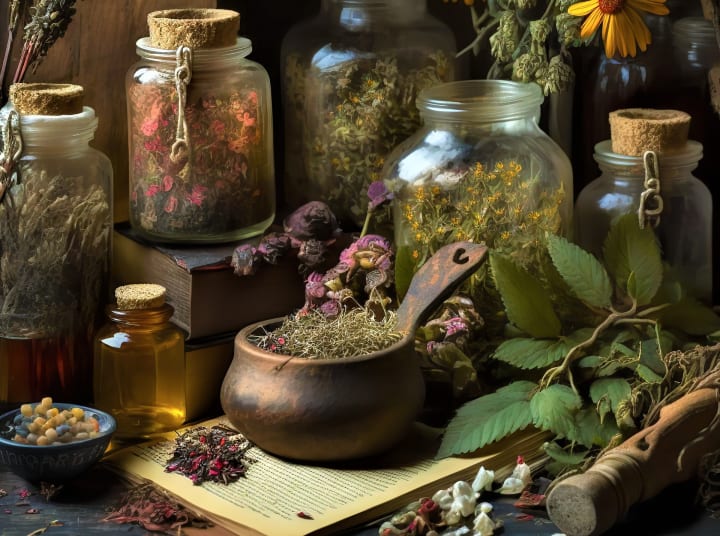
TCM practitioners use a variety of herbal remedies to treat hair loss. These remedies are formulated to address the underlying cause of hair loss and promote hair growth. Here are some of the popular herbal remedies used in TCM:
He Shou Wu (Polygonum multiflorum)
He Shou Wu is a popular herb used in TCM to treat hair loss. It is also known as Fo-Ti in the West. He Shou Wu is believed to nourish the liver and kidney, improve blood circulation, and promote hair growth. Studies have shown that He Shou Wu can stimulate the growth of hair follicles and increase the thickness of hair.
Jujube (Ziziphus jujuba)
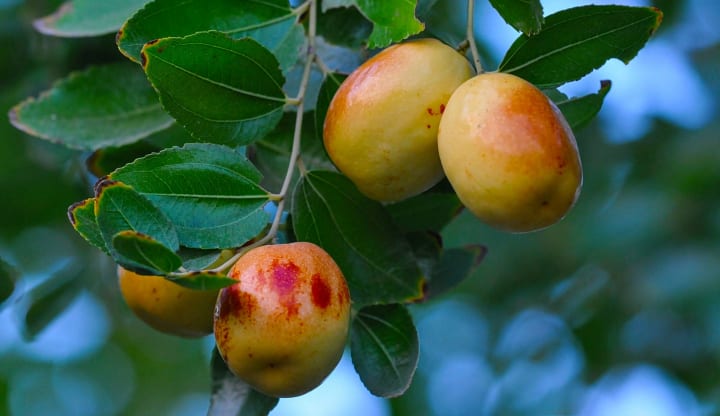
Jujube is a fruit used in TCM to treat hair loss. It is believed to nourish the blood and improve the function of the spleen. Jujube is also known for its calming effect, which can help reduce stress-related hair loss.
Rehmannia (Rehmannia glutinosa)
Rehmannia is a root used in TCM to treat hair loss. It is believed to nourish the blood, promote circulation, and strengthen the liver and kidney. Rehmannia is also known for its anti-inflammatory properties, which can help reduce scalp inflammation and promote hair growth.
Ginseng (Panax ginseng)
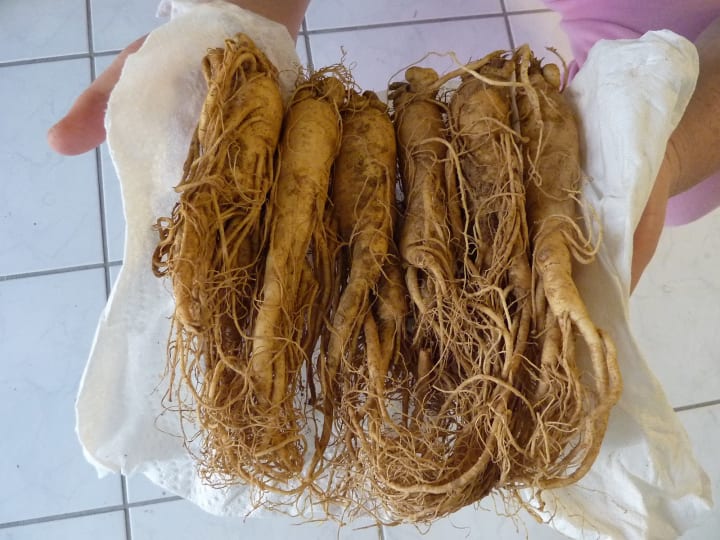
Ginseng is a popular herb used in TCM to treat a variety of health conditions, including hair loss. It is believed to improve blood circulation, strengthen the immune system, and promote hair growth. Ginseng is also known for its anti-inflammatory properties, which can help reduce scalp inflammation and promote hair growth.
Acupuncture for Hair Loss in TCM (Traditional Chinese Medicine)
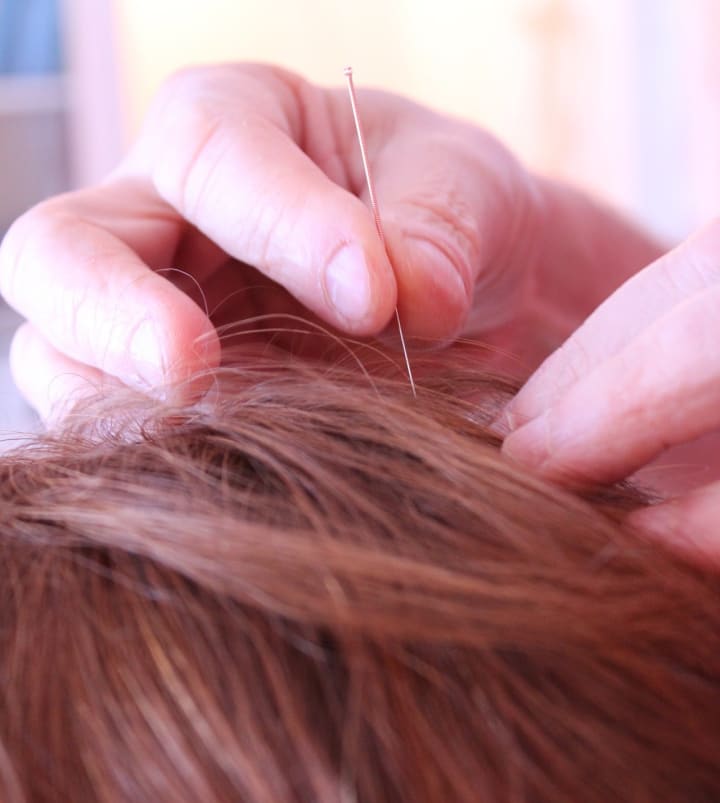
Acupuncture is another popular therapy used in TCM to treat hair loss. TCM practitioners use acupuncture to treat hair loss by stimulating the scalp and improving blood circulation to the hair follicles. By stimulating specific parts on the body, acupuncture can restore the balance in the body and promote hair growth.
They also use acupuncture to treat the underlying causes of hair loss, such as stress, hormonal imbalances, and poor nutrition.
Is TCM Effective for Hair Loss?
Research on the effectiveness of TCM for hair loss is still limited. However, there is some evidence to suggest that TCM may be an effective therapy for hair loss. For example, a study published in the Journal of Alternative and Complementary Medicine found that a TCM herbal formula containing He Shou Wu, Jujube, and other herbs was effective in helping hair growth in people with alopecia areata.
Another study published in the Journal of Traditional Chinese Medicine found that acupuncture was effective in treating hair loss in women with polycystic ovary syndrome (PCOS). PCOS is a hormonal disorder that can cause hair loss in women.
Overall, while more research is needed to confirm the effectiveness of TCM for hair loss, many people have reported positive results from using TCM for their hair loss.
Conclusion
Traditional Chinese medicine offers a unique perspective on hair loss and offers a range of herbal remedies and acupuncture techniques to treat it. While more research is needed to confirm the effectiveness of TCM for hair loss, it offers a holistic approach to hair loss that addresses the underlying imbalances in the body. If you are considering TCM for your hair loss, it is important to consult with a qualified TCM practitioner who can provide you with an individualized treatment plan. With the right combination of herbal remedies, acupuncture, and lifestyle changes, you can reclaim your crown and restore your confidence.
About the Creator
PP
Psychology, Horror, fiction, education, poet, and about many crazy topics; I love to create content.
The ultimate Ramadaan skincare guide for hydrated and radiant skin throughout the fast
The biggest skin concern during fasting periods is dehydration. There’s something quietly beautiful about the rhythm of Ramadaan. The stillness before dawn, the communal joy of breaking fast, the soft recalibration of body and spirit.
By Good health to everyone2 days ago in Blush
How to Use a Sugar Scrub the Right Way for Softer, Smoother Skin
In This Article ✅What Is a Sugar Scrub? ✅How to Properly Use a Sugar Scrub Your shower routine probably has all the basics covered: shampoo, conditioner, and sudsy body wash. But a fourth addition to this regimen—a good old fashioned sugar scrub—can make all the difference both in terms of your skin’s hydration and overall glow factor. With insights from a seasoned skincare pro, we’re diving into what sugar scrubs are and why they’re an absolute shower must, plus a quick rundown on how to properly use a sugar scrub.
By Good health to everyone7 days ago in Blush



Comments (1)
This article provides helpful insights into the traditional Chinese medicine approach to hair loss and its potential effectiveness, offering a holistic and individualized approach to treatment.👌👌🙏👍👍