
The History of Skincare: From Ancient Milk Baths to Modern Serums
How ancient wisdom and accidental science transformed skincare from a survival necessity into a billion-dollar ritual.
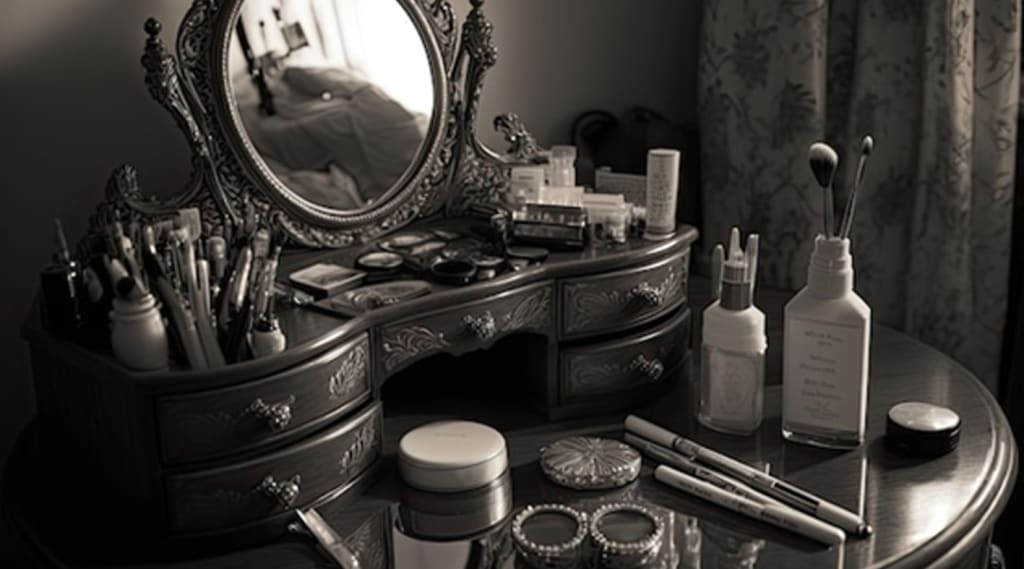
We often think of skincare as a modern obsession—a world of 10-step routines, laboratory-tested serums, and high-tech sunscreens. However, the quest for glowing, healthy skin is as old as civilization itself. From the shores of the Nile to the royal courts of France, humans have gone to incredible (and sometimes dangerous) lengths to preserve their youth.
Let’s take a deep dive into the evolution of skincare and see how our ancestors defined "the perfect glow."
1. Ancient Egypt: The Pioneers of Pampering
For the Ancient Egyptians, skincare was a matter of survival as much as vanity. The harsh desert sun and dry heat required constant protection.
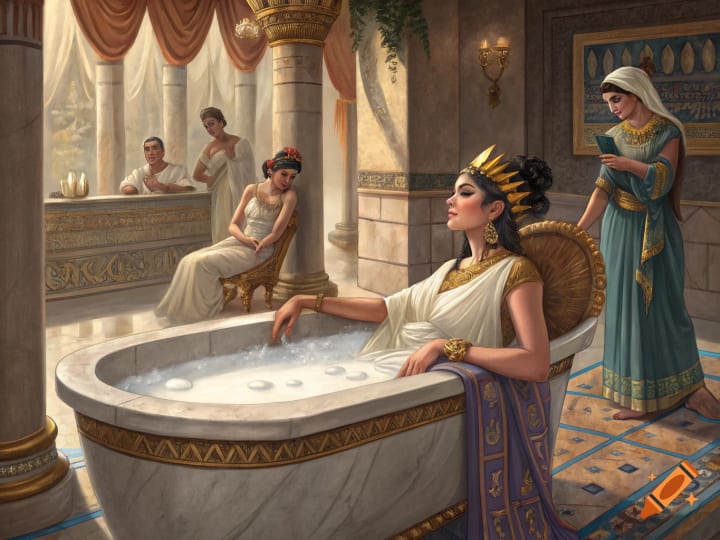
The Famous Milk Baths: Cleopatra is legendary for bathing in fermented donkey milk. Why? Because milk contains lactic acid, a natural Alpha Hydroxy Acid (AHA) that gently exfoliates the skin. Even thousands of years ago, she was using chemical exfoliation!
Natural Oils: Both rich and poor Egyptians used oils like Moringa, Sesame, and Castor to keep their skin hydrated and prevent wrinkles.
2. Ancient Greece and Rome: The Power of Olive Oil
In the Mediterranean, the "liquid gold" of skincare was Olive Oil.
The Roman Spa Culture: Romans were obsessed with public baths. They would apply olive oil to their bodies and then use a curved metal tool called a strigil to scrape off the oil along with dirt and sweat.

The First Cold Cream: A Greek physician named Galen created the world’s first "cold cream" in the 2nd century by mixing water, olive oil, and beeswax. When applied to the skin, the water evaporated, leaving a cooling sensation—a formula that isn't too different from what we use today.
3. The Renaissance: The "Pale" Obsession
During the Renaissance, tan skin was a sign of a manual laborer who worked outside. Aristocrats wanted to be as pale as possible to show they stayed indoors in luxury.
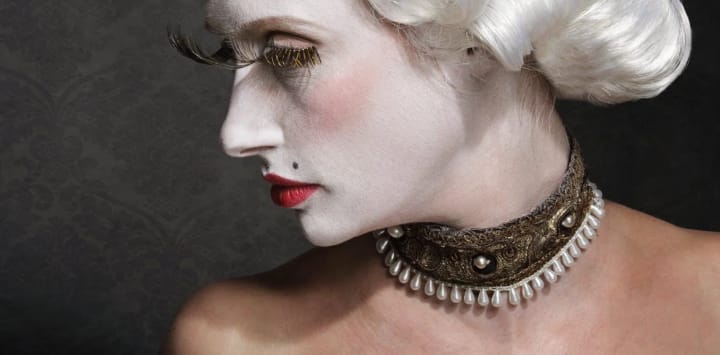
The Lead Problem: To achieve a ghostly white complexion, women used Ceruse, a makeup/skincare hybrid made of white lead. It made the skin look smooth and pale, but it slowly poisoned the body, leading to skin fading, hair loss, and even death.
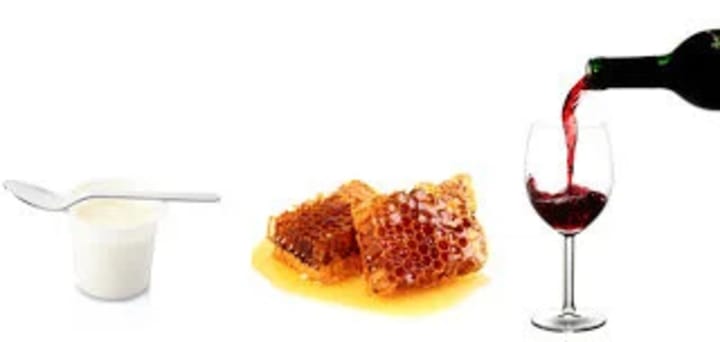
Honey and Wine: On a safer note, women used honey masks for hydration and red wine as a toner (the tartaric acid in wine acted as a mild peel).
4. The Victorian Era: The Rise of the "Apothecary"
In the 1800s, skincare started moving from the kitchen to the pharmacy.
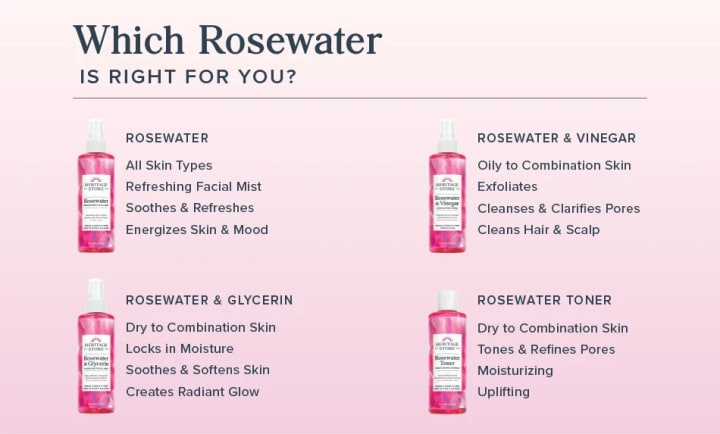
Simplicity and Purity: Victorians believed that "cleanliness was next to godliness." This led to the popularity of Rosewater and Glycerin as daily hydrators.
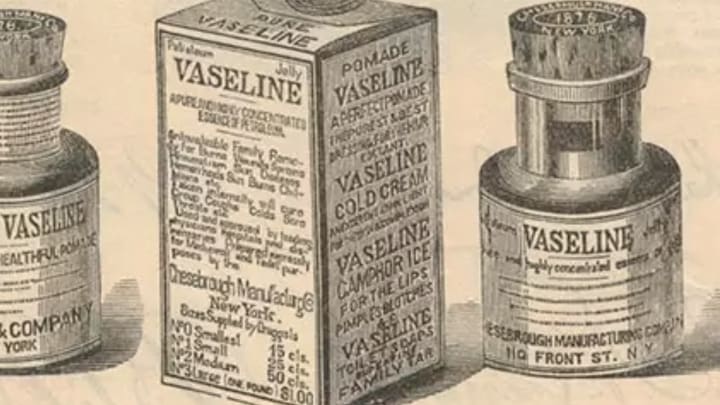
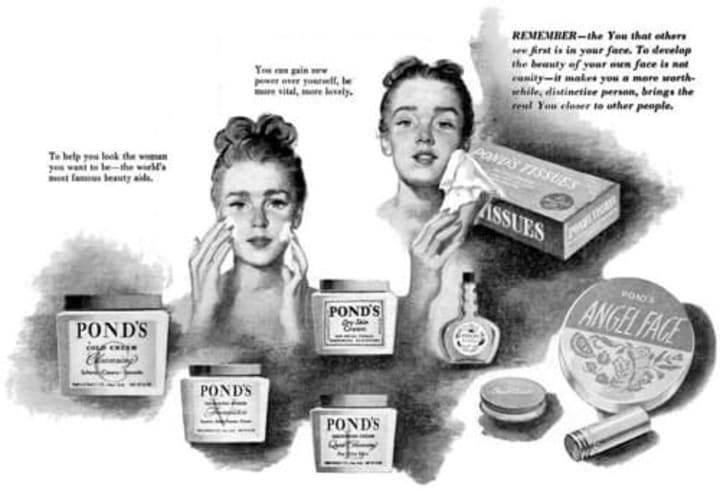
The Birth of Brands: This era saw the birth of iconic brands like Ponds (1846) and Vaseline (1870), which provided affordable skincare for the masses for the first time.
5. The 20th Century: The Science Revolution
The 1900s changed everything as dermatology became a recognized science.
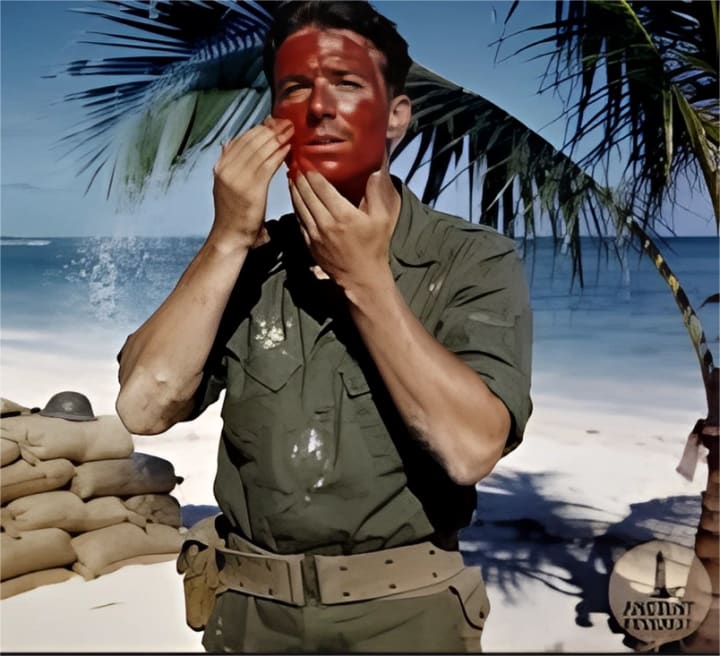
The Sunscreen Breakthrough: In the 1940s, a pharmacist named Benjamin Green invented a red, sticky "Red Vet Pet" to protect soldiers in WWII. This eventually evolved into the first consumer sunscreen.
The "Anti-Aging" Boom: The 1980s saw the discovery of Retin-A (Retinol). Originally used for acne, doctors noticed it also smoothed wrinkles, sparking the multi-billion dollar anti-aging industry we see today.
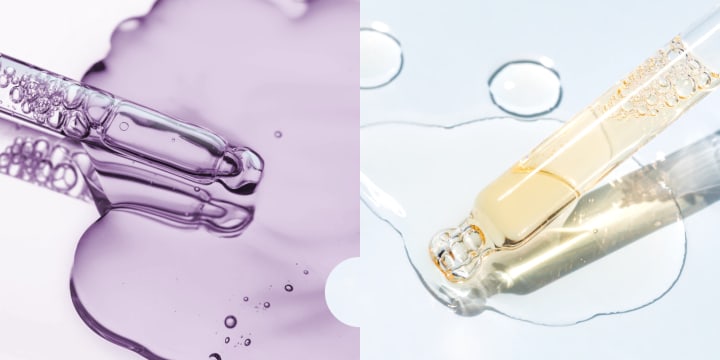
6. The K-Beauty Wave: Ancient Wisdom Meets High-Tech
While the West was focused on "fixing" skin problems, South Korea revolutionized the industry by focusing on prevention and hydration.
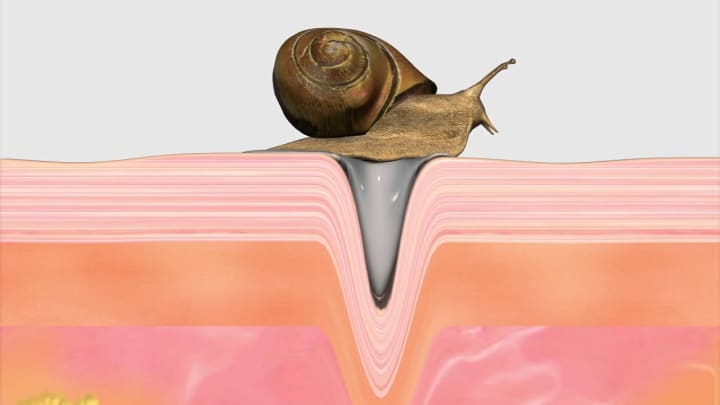
The Snail Mucin Secret: One of K-Beauty’s most famous ingredients, snail mucin, actually dates back to Ancient Greece, but Koreans perfected the filtration process to create serums that heal and hydrate the skin like nothing else.
Fermentation: Drawing from the history of Kimchi, Korean skincare uses fermented rice water and ginseng. Fermentation breaks down the molecular structure of ingredients, making them easier for the skin to absorb.
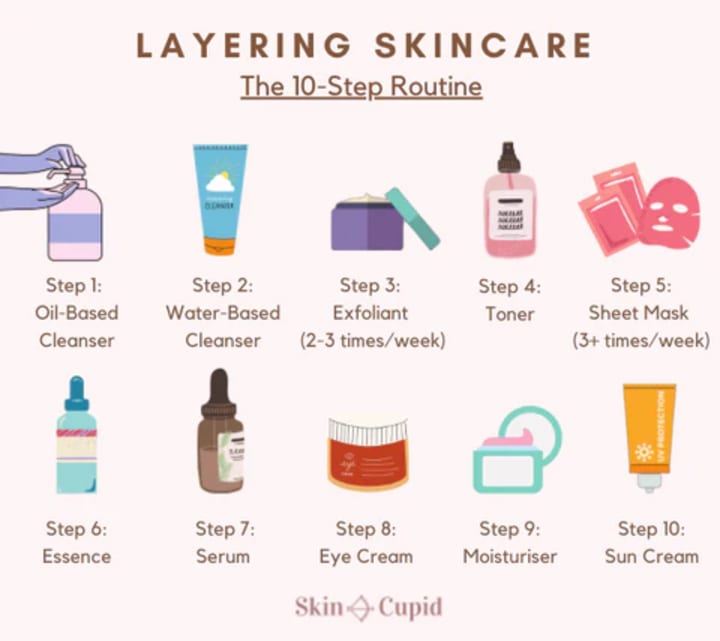
The 10-Step Philosophy: K-Beauty introduced the world to the idea that skincare is a ritual of self-care, not just a chore.
7. Modern Day: The Era of Bio-Technology
Today, we are in the age of "Skintelligence".
We use Hyaluronic Acid (which can hold 1,000 times its weight in water) and Niacinamide to target specific skin concerns.
We’ve moved away from the "toxic beauty" of the past and toward "clean beauty" and sustainable ingredients.
Conclusion
From Cleopatra’s donkey milk to the laboratory-grown peptides in your current night cream, the goal has remained the same: to feel confident in our own skin. History shows us that while the ingredients change, our desire for a healthy glow is timeless.
What’s the one skincare ingredient you can’t live without? Let me know in the comments!
About the Creator
7 Common Types of Hair Extensions: Which One Is Best for Your Hair?
Hair extensions have revolutionized the beauty world, offering an instant transformation in length, volume, and even color without the commitment of chemical dyes. According to the comprehensive guide BELLECODE by New Times Hair (read the original here), selecting the right extension type is the secret to achieving a natural, comfortable, and seamless look.
By Emma Smith2 days ago in Blush




Comments
There are no comments for this story
Be the first to respond and start the conversation.