


Roses have captivated the hearts of people for centuries, and their beauty, fragrance, and elegance make them one of the most cherished flowers in the world. Often associated with love and romance, roses are a symbol that transcends cultures and time. In this post, we will explore the history of roses, their significance as a symbol of love, and the various ways they are celebrated in art, literature, and modern culture.
A Brief History of Roses
The history of roses dates back over 5,000 years, with evidence of their cultivation found in ancient civilizations such as China, Egypt, and Persia. The earliest known rose gardens were established by the Chinese, who revered roses not only for their beauty but also for their medicinal properties. Ancient Egyptians also held roses in high esteem, often using them in rituals and ceremonies. The Greeks and Romans further popularized roses, incorporating them into their mythology and literature. In fact, the Roman poet Ovid referred to roses as the "queen of flowers."
As time progressed, roses became increasingly associated with love and passion. During the Middle Ages, roses were used as symbols of secrecy, with the phrase "sub rosa," meaning "under the rose," denoting confidentiality. This connection between roses and love solidified their status as a timeless symbol of romance.
The Language of Roses
Roses have their own language, known as "floriography," which assigns specific meanings to different colors and types of roses. This language gained popularity during the Victorian era, when people used flowers to convey messages and emotions that could not be spoken openly. Here are some common rose colors and their meanings:
Red Roses: The quintessential symbol of love and passion, red roses are often exchanged between romantic partners. They express deep emotions and are commonly given on Valentine's Day, anniversaries, and special occasions.
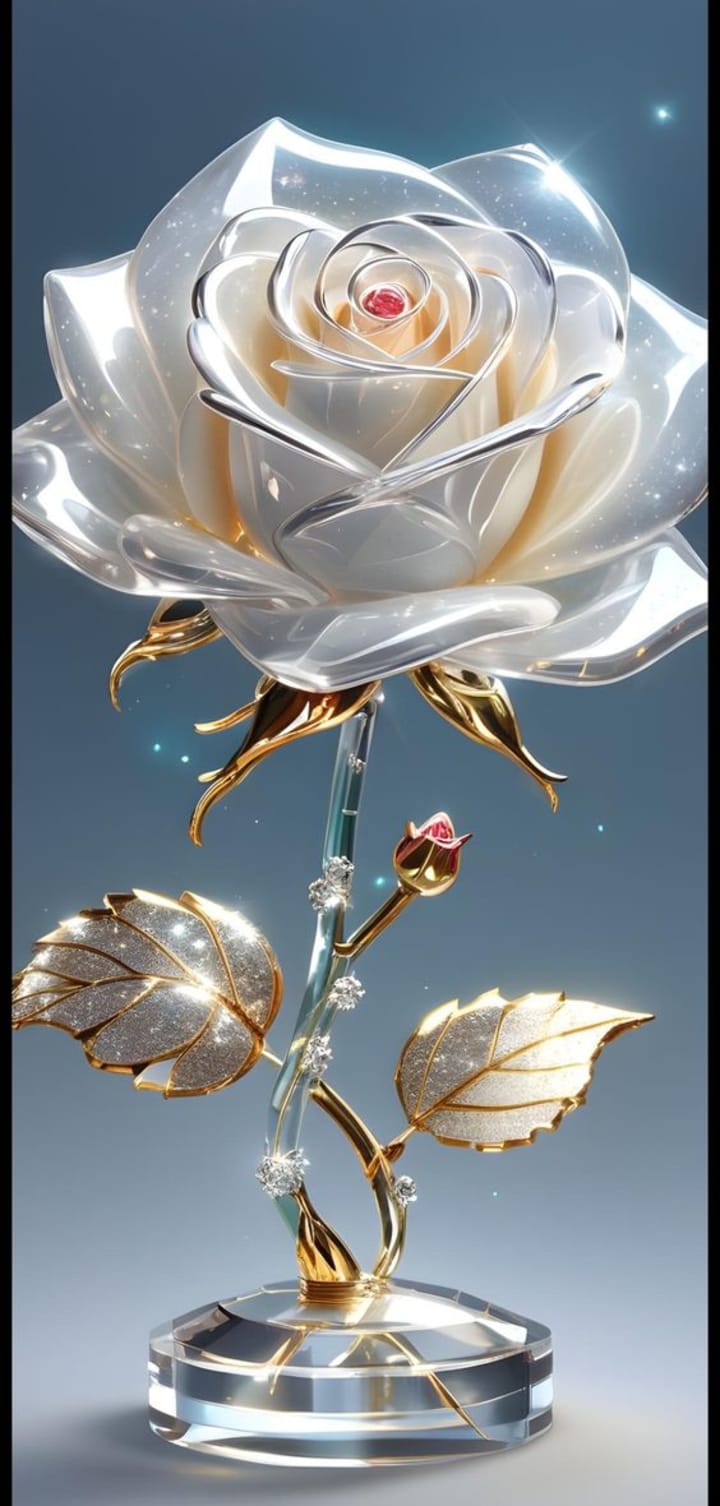
White Roses: Associated with purity, innocence, and new beginnings, white roses are often used in weddings and other celebrations. They symbolize the pure love between two individuals and are often chosen for bridal bouquets.
Pink Roses: Representing grace, admiration, and gratitude, pink roses are versatile flowers that can be given in various contexts, from expressing appreciation to celebrating friendship.
Yellow Roses: Signifying friendship, joy, and happiness, yellow roses are a popular choice for celebrating platonic relationships. They bring warmth and positivity to any occasion.
Orange Roses: Symbolizing enthusiasm and desire, orange roses convey a sense of excitement and passion. They are often given to express admiration or to celebrate a new romance.
Lavender Roses: Representing enchantment and love at first sight, lavender roses are a unique choice for those looking to convey a sense of wonder and magic in their relationships.
Roses in Literature and Art
Throughout history, roses have inspired countless writers, poets, and artists. Their beauty and symbolism have made them a recurring motif in literature and art, evoking themes of love, beauty, and transience.
In literature, roses have been immortalized in works such as William Shakespeare's "Romeo and Juliet," where Juliet famously declares, "A rose by any other name would smell as sweet." This line underscores the enduring nature of love, regardless of societal norms or expectations. Additionally, the rose has appeared in the works of poets like Robert Burns, who penned the famous lines, "O my Luve's like a red, red rose," celebrating the beauty and depth of romantic love.
In art, roses have been depicted in various forms, from classical paintings to modern photography. Renowned artists such as Vincent van Gogh and Pierre-Auguste Renoir have captured the delicate beauty of roses on canvas, showcasing their vibrant colors and intricate details. The rose's presence in art serves as a reminder of the fleeting nature of beauty and love, as well as the joy and passion they inspire.
Roses in Modern Culture
In contemporary society, roses continue to hold a special place in our hearts. They are a staple at weddings, anniversaries, and romantic occasions, symbolizing love and commitment. The tradition of giving roses on Valentine's Day has become a cultural norm, with millions of people exchanging bouquets to express their feelings for their partners.
Roses also play a significant role in various celebrations and events. They are often used in decorations for weddings, birthdays, and other festivities, adding a touch of elegance and romance to any occasion. Additionally, roses are commonly featured in floral arrangements and centerpieces, enhancing the beauty of both formal and informal gatherings.
In the realm of social media, roses have become a popular symbol in digital communication. Emojis of roses are frequently used to convey feelings of love, appreciation, or friendship in text messages and social media posts. This modern adaptation of the rose's symbolism showcases its enduring relevance in contemporary relationships.
Growing Roses: A Labor of Love
For many gardening enthusiasts, cultivating roses is a labor of love. Growing roses can be both rewarding and challenging, requiring careful attention and dedication. There are numerous rose varieties available, each with its own unique characteristics and requirements. Here are some tips for successfully growing roses:
Choose the Right Variety: Select rose varieties that are well-suited to your climate and soil conditions. Some popular types include hybrid teas, floribundas, climbers, and shrub roses.
Provide Proper Care: Roses thrive in well-drained soil and require regular watering, especially during dry spells. Fertilizing roses with a balanced fertilizer can promote healthy growth and blooming.
Pruning: Regular pruning helps maintain the shape of the rose bush and encourages new growth. It's important to prune in early spring before new growth begins.
Pest and Disease Management: Monitor your roses for signs of pests or diseases, such as aphids or black spot fungus. Prompt action can help prevent damage to the plants.
Enjoy the Blooms: The reward for your efforts is the stunning display of blooms that roses provide. Enjoy their beauty and fragrance, and consider cutting fresh roses to bring indoors as a symbol of love and beauty in your home.
The Timelessness of Roses
The enduring symbolism of roses as a representation of love is a testament to their beauty and emotional significance. From ancient civilizations to modern-day expressions of affection, roses continue to capture our hearts and inspire us to celebrate love in all its forms. Whether given as a romantic gesture, a token of friendship, or a symbol of gratitude, roses convey feelings that words often cannot express.
In a world that is constantly changing, the rose remains a timeless symbol of love, beauty, and connection. Its delicate petals, vibrant colors, and enchanting fragrance serve as a reminder of the love we share with others and the beauty that exists in our lives. As we continue to celebrate love through the ages, roses will undoubtedly remain at the forefront, forever cherished as nature's perfect symbol of love.
Conclusion
Roses are more than just beautiful flowers; they are powerful symbols that encapsulate the essence of love, passion, and connection. Their rich history, diverse meanings, and artistic representations have solidified their place in our hearts and culture. Whether you're giving or receiving roses, planting a garden, or simply appreciating their beauty, remember that these exquisite blooms serve as a reminder of the love that surrounds us every day. Embrace the symbolism of roses and let them inspire you to express your feelings and celebrate the beauty of love in all its forms.
About the Creator
Zency somke
Anjali is a skilled content writer specializing in journal topics, delivering insightful, engaging, and well-researched articles for diverse audiences.
Keep reading
More stories from Zency somke and writers in Blush and other communities.
Butterfly Beauty with Nature
In a quiet meadow bathed in the golden light of early morning, a butterfly emerged from its chrysalis. Her wings, delicate as silk and painted in hues of sapphire and gold, shimmered in the sun. She was new to this world, having just completed her transformation from a humble caterpillar, and she was eager to explore the beauty that surrounded her.
By Zency somkeabout a year ago in Blush
Aloe Vera in Skin Care
In recent years, the beauty industry has embraced aloe vera, infusing it into an array of skin care products ranging from moisturizers, serums, and masks to soothing gels and ointments. This versatile plant offers a variety of benefits for all skin types.
By Good health to everyoneabout 10 hours ago in Blush



Comments (1)
Lovely