
Reef-Safe Sunscreens: Protect Your Skin & the Ocean
Explore eco-friendly sun protection that keeps your skin safe while preserving marine life and coral reefs

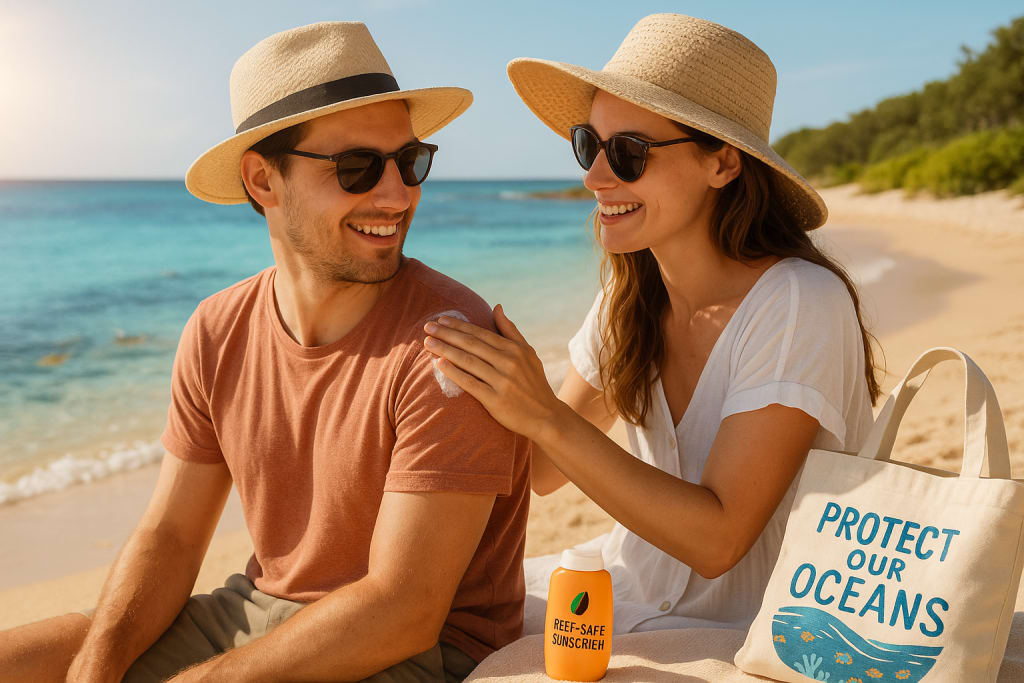
Sunscreen is essential for protecting our skin from the harmful effects of UV rays, preventing sunburn, premature aging, and even skin cancer. However, many conventional sunscreens contain ingredients that are damaging not just to our bodies but also to the environment—especially our oceans. As awareness grows, the shift toward reef-safe sunscreens has become a top priority for environmentally conscious consumers.
But what exactly is a reef-safe sunscreen? And how can you make smarter skincare choices that protect both you and the planet? This guide will break it down clearly.
Reef-safe sunscreen refers to sun protection products made without ingredients known to harm marine ecosystems, particularly coral reefs. Ingredients like oxybenzone and octinoxate, commonly found in traditional sunscreens, are toxic to coral larvae and can cause coral bleaching, damage DNA, and disrupt marine life development. To minimize this impact, reef-safe sunscreens are formulated with mineral-based ingredients such as zinc oxide and titanium dioxide, which create a physical barrier on the skin instead of being absorbed.
The move toward reef-safe products is more than a trend—it's a necessity. According to scientific studies, even small amounts of harmful sunscreen chemicals can trigger coral bleaching and ultimately contribute to the degradation of reef systems worldwide. Since coral reefs support more than 25% of marine life, protecting them is crucial for biodiversity and the health of our oceans.
So what should you look for when shopping for reef-safe sunscreen? First, scan the ingredients list carefully. Avoid oxybenzone, octinoxate, octocrylene, homosalate, and avobenzone. Instead, opt for non-nano zinc oxide or titanium dioxide. The term “non-nano” means the particles are not small enough to be ingested by marine life.
Another factor to consider is packaging. Many reef-safe brands also use sustainable packaging options like recyclable aluminum tubes, biodegradable containers, and refillable bottles. This added step reduces plastic pollution, another major threat to our oceans.
Application is also key. Mineral sunscreens can leave a white cast if not blended well, but modern formulations have improved dramatically. Tinted mineral sunscreens now cater to a range of skin tones, offering both protection and a seamless look.
Several brands have become leaders in the reef-safe sunscreen movement. Look for certifications like “Reef Safe,” “Cruelty-Free,” “Eco-Cert,” or “Coral Safe” when evaluating a product. Brands like ThinkSport, Badger, Raw Elements, and Stream2Sea are all known for their transparent ingredient lists and eco-conscious practices.
It’s also essential to understand that even if you’re not swimming in the ocean, your sunscreen can still end up there. Shower runoff and wastewater systems can carry harmful chemicals into rivers and oceans, so making reef-safe choices benefits the environment no matter where you live.
Reef-safe sunscreens are not only safer for marine life—they’re also safer for you. Many of the chemicals used in traditional sunscreens have been linked to hormone disruption and skin irritation. Mineral-based products sit on top of your skin rather than absorbing into your bloodstream, making them a healthier option for those with sensitive skin or allergies.
For people who spend a lot of time outdoors—whether at the beach, hiking, or simply enjoying a sunny day—reef-safe sunscreens offer reliable protection. They’re often water-resistant and offer broad-spectrum SPF coverage against both UVA and UVB rays.
Parents will be glad to know that reef-safe options are also available in baby-friendly and kid-safe formulations. These products are free from synthetic fragrances, dyes, and preservatives, making them ideal for delicate skin.
If you're interested in going the extra mile, you can even make your own DIY reef-safe sunscreen at home. Recipes usually include ingredients like shea butter, coconut oil, beeswax, and non-nano zinc oxide. Just remember that homemade sunscreens don’t always provide tested SPF levels, so it's important to be cautious and reapply frequently.
As travelers and beachgoers become more informed, local governments and tourist destinations have begun to take action. Hawaii, Palau, and parts of Mexico have already banned the sale and use of non-reef-safe sunscreens. Supporting these efforts not only protects the oceans but also encourages larger industry changes toward safer formulations.
Switching to reef-safe sunscreen is a small but impactful step in living a more eco-conscious life. It’s about protecting your health while also respecting the planet. Every bottle you choose sends a message to manufacturers about the kind of future you want to support—a cleaner, greener, more sustainable world.
So the next time you shop for sun protection, take a moment to read the label. Choose a reef-safe sunscreen that aligns with your values and helps safeguard our oceans for generations to come.
—
Note: This article was written with the assistance of ChatGPT, an AI developed by OpenAI. All content has been human-reviewed and tailored to fit the unique standards of the Vocal Media platform, ensuring originality and SEO optimization.
About the Creator
The Blush Diary
Blending romantic tales with beauty secrets—each story a soft whisper of love, each tip a gentle glow. Step into the enchanting world of The Blush Diary and don’t forget to subscribe for more! 🌹
Keep reading
More stories from The Blush Diary and writers in Blush and other communities.
Vegan Makeup Must-Haves: High Performance Without Compromise
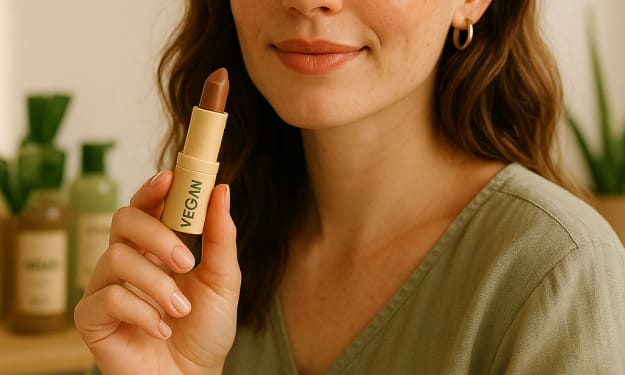
In recent years, beauty lovers have increasingly embraced a clean, conscious approach to makeup. The rise of vegan makeup is more than just a trend—it’s a movement driven by ethics, sustainability, and a desire for healthier skin. Vegan makeup products are entirely free from animal-derived ingredients and never tested on animals, offering a guilt-free way to stay glamorous.
By The Blush Diary8 months ago in Blush
Is the Viral 10-Step Korean Skincare Routine Really Helpful?
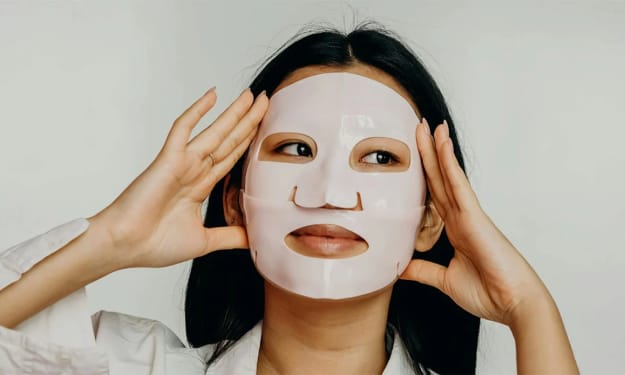
The 10-step Korean skincare routine has been one of the most trending in the beauty world lately. It is claimed to provide us with glass-like skin. The beauty regimen is based on prevention and frequency, and it is geared towards using lightweight products to improve the skin barrier. But it is as good as it is and cannot be allowed in all cases.
By Good health to everyone4 days ago in Blush
Worth the Wait: Puerto Viejo, Costa Rica
Beach bumming in a small Caribbean beach town sounded like a perfect way to end our 6-month trip through Mexico and Central America. Or so we thought. The foul, fishy stench of rotten seaweed hit our nostrils as we stepped from the cramped bus and looked out at a rather depressing, empty, and underwhelming black sand beach. It was pouring with rain, and we had to quickly fish out our ponchos. We thought, this couldn’t be it, could it?
By Sh*t Happens - Lost Girl Travel6 days ago in Wander


Comments
There are no comments for this story
Be the first to respond and start the conversation.