
Signal, Carrier, or “Botox-Like”: How to Decode Peptide Skincare
Learn what different types of peptides can actually do for your skin before choosing your next beauty product.

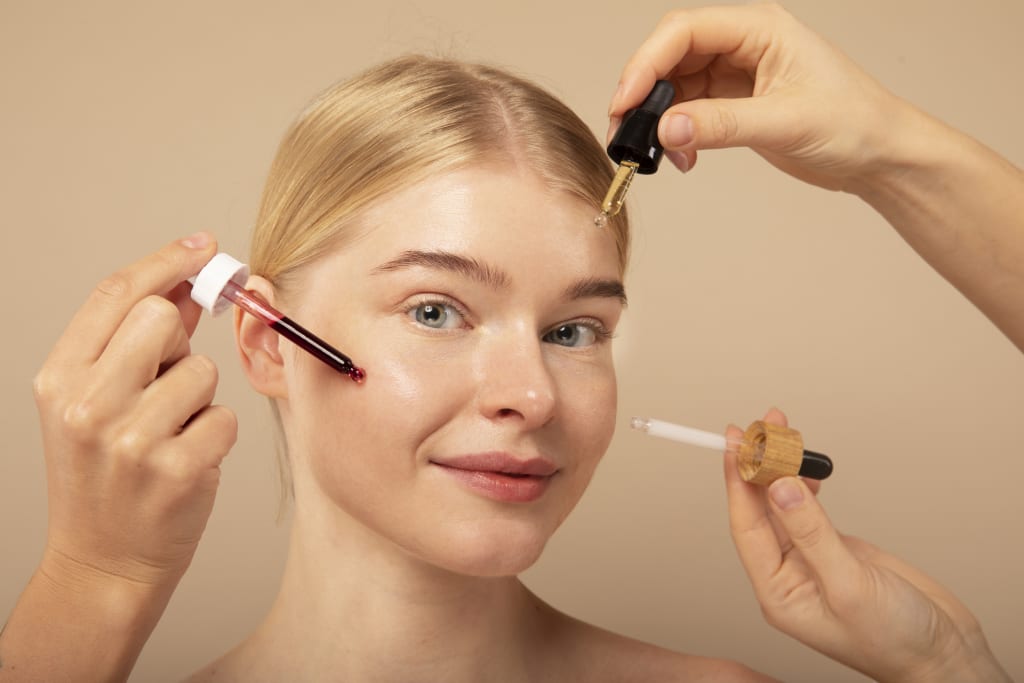
Peptides are one of the most talked-about skincare ingredients right now, and the number of peptide-based products on the market keeps growing. When applied topically, these molecules can support hydration, skin barrier health, and repair processes. But what makes peptides especially attractive is their anti-ageing effect, promising smoother, firmer skin.
The catch is that different types work through different biochemical mechanisms, which is why ingredient lists can contain various peptide names.
Here are four major groups used in cosmetics and the most common examples for each, so you know what to look for when reading a label.
Signal Peptides
Signal peptides act as messengers in the skin. They “tell” skin cells (especially fibroblasts, which maintain and repair the skin) to produce more collagen, elastin, and other structural proteins in the dermal matrix. This results in improved skin firmness and resilience and a smoother appearance of wrinkles.
Examples of signal peptides include Palmitoyl Pentapeptide-4 (aka Matrixyl), Palmitoyl Hexapeptide-12, Palmitoyl Tripeptide-5, Palmitoyl Tripeptide-1, Acetyl Tetrapeptide-9, Acetyl Tetrapeptide-11, and Tetrapeptide-30.
Carrier Peptides
Carrier peptides act as delivery systems. They bind to microelements such as copper or manganese and help transport them into the skin, where these minerals support key biological processes involved in skin repair and collagen synthesis.
Examples include Copper Tripeptide-1, Manganese Tripeptide-1, and others.
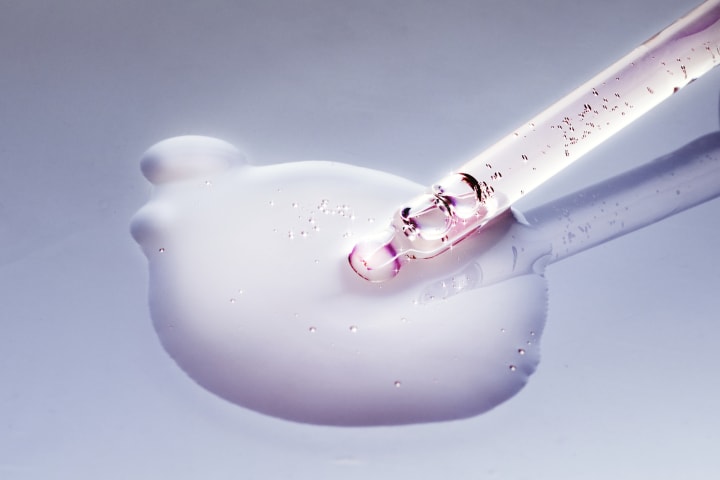
Neurotransmitter-Inhibitor Peptides
These peptides are often described as “Botox-like” ingredients in skincare. They work by interfering with the release of acetylcholine, a neurotransmitter that triggers muscle contraction. Relaxing facial micro-movements helps soften the appearance of expression lines over time.
Examples include Acetyl Hexapeptide-3, Pentapeptide-18, Tripeptide-3, and others.
Enzyme-Inhibitor Peptides
Peptides from this group help slow down the breakdown of collagen and other structural proteins by reducing the activity of enzymes that degrade them. They also have antioxidant properties and help neutralise reactive oxygen species (ROS) generated by UV radiation, which can trigger oxidative stress in skin cells and accelerate photoageing.
Examples include soy, rice, and silk peptides.
How to Choose a Peptide Product
Understanding which type of peptide is present in your cream or serum helps determine how the product will interact with your skin, but the overall composition matters just as much. A product may contain effective forms of peptides but still perform poorly or trigger side effects if the rest of the formulation isn’t suitable for your skin or contains harsh or questionable ingredients.
A helpful tech shortcut is using a beauty ingredient scanner app such as OnSkin. You can access a specific product via a barcode scan, packaging photo, or name search and check its overall safety profile from a general health perspective, as well as learn what benefits it may target (such as hydration, antioxidant activity, barrier repair, skin regeneration, wrinkle smoothing, etc.) and whether it suits your skin type.
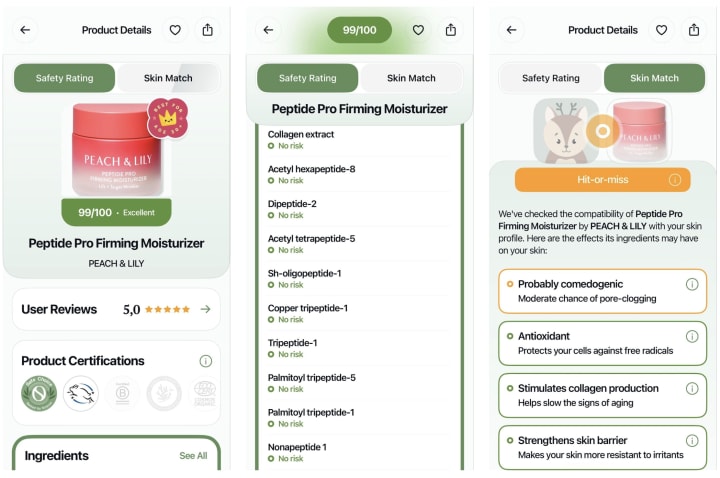
A personalized approach is crucial, as some ingredients may clog pores on oily skin, while others can irritate dry or sensitive skin. Taking a patch test is also recommended when introducing any new skincare products to exclude the risk of allergies or other individual adverse reactions.
How to Incorporate Peptides Into a Skincare Routine
Since peptides are anti-ageing ingredients, they are generally recommended for inclusion in beauty regimens starting around age 40 in facial product formulas. It’s best to prioritise products that remain on the skin for longer periods (think creams vs. masks), and use them consistently over time, so the active ingredients can work to their full potential and start generating visible results.
In the delicate around-the-eye area—where the skin is thinner and facial expressions are more active, making it prone to earlier fine lines—an eye cream with peptides can be introduced from around the age of 30 to 35.
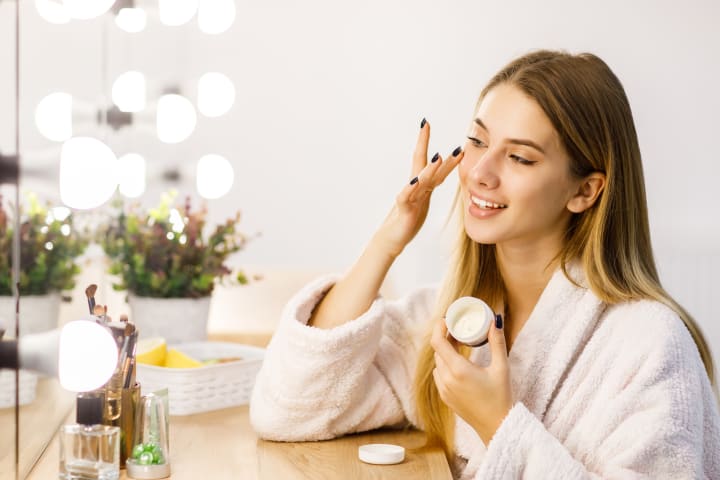
Peptides are suitable for daily use as part of both morning and evening routines since they do not increase the skin’s sensitivity to the sun. However, peptides are pH-sensitive and don’t tolerate highly acidic environments, which is why they shouldn’t be combined with exfoliating acids such as AHAs or BHAs or with acidic forms of vitamin C, such as ascorbic acid.
While peptides can deliver meaningful anti-ageing benefits by supporting collagen production, they are not the most powerful anti-wrinkle ingredients available. For this reason, they are often recommended in combination with skin-rejuvenating ingredients such as retinol, bakuchiol, or non-acidic forms of vitamin C, which also help stimulate new collagen synthesis in the skin. These actives complement each other and can help achieve more sustainable and long-term results.
About the Creator
Ana Chur
Holistic health advocate and wellness writer
How Independent Filmmakers Are Rethinking Film Financing
Over the past decade, the economics of filmmaking have been quietly transforming. For many years, large studios controlled most aspects of film production, from financing to distribution. Today, however, independent filmmakers are discovering new ways to bring projects to life without relying entirely on traditional studio systems.
By Andreas Szakacsabout 17 hours ago in Blush
Andreas Szakacs: The Actor and Producer Shaping Stories at the Intersection of Technology and Power
In today’s entertainment industry, where technology and storytelling increasingly overlap, a new generation of filmmakers and actors is emerging to explore this evolving landscape. Among them is Andreas Szakacs — an actor and producer whose work frequently explores the intersection of finance, artificial intelligence, and global influence.
By Andreas Szakacs6 days ago in Blush
Worth the Wait: Puerto Viejo, Costa Rica
Beach bumming in a small Caribbean beach town sounded like a perfect way to end our 6-month trip through Mexico and Central America. Or so we thought. The foul, fishy stench of rotten seaweed hit our nostrils as we stepped from the cramped bus and looked out at a rather depressing, empty, and underwhelming black sand beach. It was pouring with rain, and we had to quickly fish out our ponchos. We thought, this couldn’t be it, could it?
By Sh*t Happens - Lost Girl Travel6 days ago in Wander




Comments
There are no comments for this story
Be the first to respond and start the conversation.