
Neck and Shoulder Tension
Managing Pain with Medical Botox in Hobart

Neck and shoulder pain is one of the most common complaints seen in clinic. It affects how people sleep, move, and function during the day. In Hobart, it’s especially prevalent among office workers, tradies, shift workers, and carers—anyone who holds tension in their upper body for long periods of time.
For clients whose pain comes from tight muscles rather than joint damage, botox may offer a solution. The treatment targets the overworked muscles responsible for postural strain and tension, most commonly the trapezius. This can help reduce the frequency and severity of discomfort without the need for long-term medication.
At Heart Aesthetics Hobart, treatment is provided under medical supervision using TGA-approved product. It doesn’t replace physiotherapy or exercise, but it makes both easier by breaking the pain cycle.
Understanding the Role of the Trapezius in Upper Body Tension
The trapezius muscle runs from the base of the skull down into the shoulders and upper back. It controls shoulder elevation and head posture. When someone spends hours looking at a screen or standing with a forward-leaning neck, this muscle stays partially active the entire time. Over time, it tightens, shortens, and becomes sore.
This pattern shows up clearly in Hobart’s working population. Office roles, manual labour, nursing, teaching, and hairdressing all require repetitive posture and static muscle use. The result is the same: the traps overwork while other muscles weaken. Clients feel tightness in their neck, heaviness in their shoulders, or a burning ache across the upper back.
Once this pain cycle sets in, it can be hard to reset. Massage helps but offers short-term relief. Pain medication masks symptoms but doesn’t address the cause. Botox provides another option—it reduces the muscle’s resting tension, making it easier to stretch, move, and function without discomfort.
How Botox Works for Muscle Tension
Botox works by interrupting the nerve signal that tells a muscle to contract. When placed into the trapezius, it lowers the muscle’s baseline tone without paralysing movement. The muscle can still function—it just doesn’t stay clenched all day.
This effect allows other structures to reset. The neck can move more freely. The shoulders can sit lower. Muscles that have been overloaded start to relax. Clients notice less pressure across the base of the skull and fewer headaches related to upper body strain.
A study in Pain Physician found that patients with trapezius-triggered neck pain experienced reduced symptoms and improved function after botox treatment. Another clinical review in The Journal of Headache and Pain reported fewer tension-type headaches and better daily comfort following upper trapezius injections.
Treatment in Hobart: What to Expect
At Heart Aesthetics Hobart, treatment begins with a medical consultation. The nurse will assess your symptoms, posture, and muscle pattern. Botox is only offered after a full review and doctor approval. If appropriate, the treatment takes less than 15 minutes.
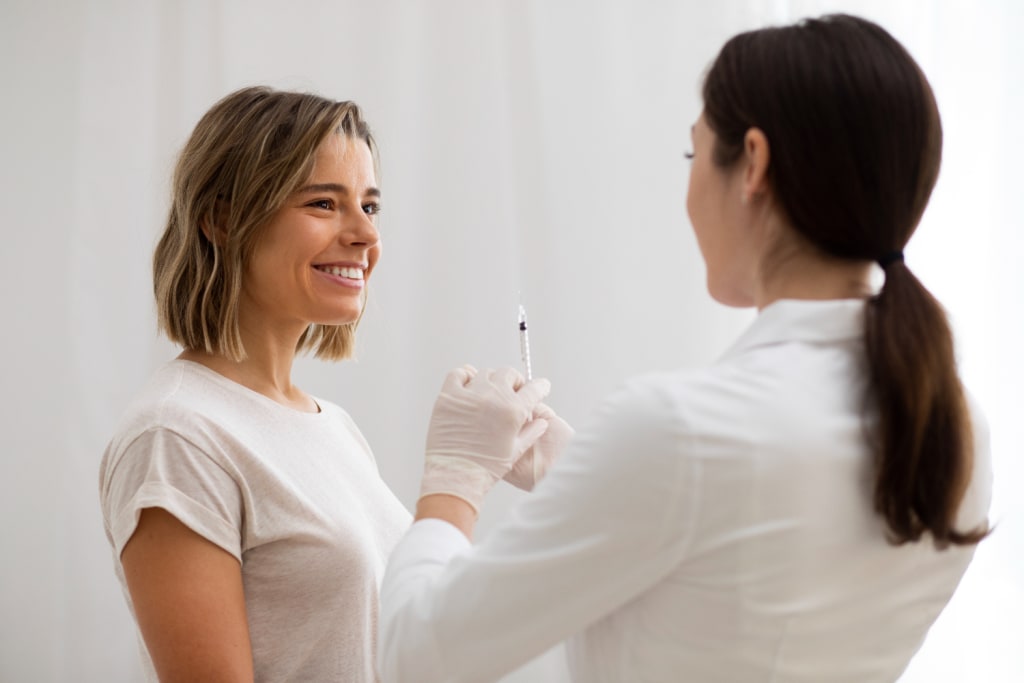
A small needle is used to place botox into specific points of the trapezius muscle. Most clients describe the sensation as a light pinch or pressure. No anaesthetic is needed. There is no downtime. Clients return to normal activity straight away.
Results develop over seven to ten days, with full effects in two weeks. Clients often describe their shoulders as feeling “lighter” or “less loaded.” Many notice improved sleep, better concentration, and more flexibility in the neck and upper back.
The effect lasts three to four months. Repeat treatments may be scheduled if symptoms return, especially during periods of high stress or workload.
Who Benefits Most From This Treatment
This treatment is not for everyone. It works best for clients whose pain is driven by muscle tension rather than structural injury. In Hobart, it is often used by:
- Desk workers with rounded shoulders and constant trap activation
- Nurses and carers who lift or support others regularly
- Tradespeople whose work positions strain the upper back
- People who grind or clench, creating referred neck tension
- Clients with chronic headaches linked to upper trap tightness
It is also used as part of recovery for people attending physio or exercise therapy. By reducing pain and spasm, botox makes it easier to engage in stretching and postural retraining.
Clients must be assessed before treatment. It is not suitable for people with certain neuromuscular conditions or recent trauma. A thorough consultation ensures the treatment is appropriate and safe.
Botox vs Massage or Physiotherapy
Massage, physio, and dry needling all help relieve muscle tension. But for some clients, the relief doesn’t last. The muscle tightens again within hours or days. Botox changes the cycle. By lowering the muscle’s resting tension, it gives the nervous system a break.
This doesn’t mean you have to choose one or the other. In Hobart, clients often combine botox with regular stretching, soft tissue therapy, and strength training. It supports—not replaces—rehab.
The treatment can also reduce reliance on medication. Many people with chronic trap pain take anti-inflammatories or muscle relaxants to manage flare-ups. Botox reduces the need for daily or frequent dosing, which benefits long-term health.
Neck Pain and Headache Relief
The link between neck tension and headache is well known. Tight trapezius and suboccipital muscles pull on the base of the skull and restrict blood flow. This leads to pressure headaches, often described as a tight band or dull ache across the temples.
Botox treatment to the upper traps has been shown to reduce headache frequency and severity. Clients in Hobart who receive this treatment often describe it as a “release” they didn’t realise they needed.
The effect is not instant but builds over one to two weeks. Some clients use the treatment every few months to prevent tension from returning. Others require only one or two sessions during high-stress periods.
Facial Referred Pain and Tension
Trap tightness often radiates upward. It affects the neck, scalp, and jaw. Some clients experience pain when talking, yawning, or holding their phone between their shoulder and ear. Over time, this referred tension impacts posture and mood.
Botox can reduce this cascade. By softening the root cause—the overactive trapezius—the pressure eases throughout the chain. Clients may also see changes in facial posture, such as a less drawn expression or fewer tension lines across the brow and eyes.
In Hobart, this has become a popular treatment among clients who work in high-pressure environments or who spend long hours sitting without support.
How Long Does It Last
The results from botox in the trapezius last about three to four months. Some clients maintain the effect with regular treatment. Others combine it with posture correction and movement-based rehab to improve long-term function.
Repeat treatments are safe when done correctly. The body does not build resistance with medical use, and the product does not accumulate in the system. Each session is adjusted to match your current symptoms and muscle condition.
Clients often report longer-lasting relief with each cycle, especially when paired with ergonomic changes or guided strengthening.
Safety and Oversight
Botox is a prescription medicine in Australia and must be administered under medical supervision. At Heart Aesthetics Hobart, treatments are performed by a Registered Nurse following a doctor’s script. Only TGA-approved product is used.
The injection is precise. Placement matters, especially in the neck and upper back. Incorrect technique or dosage can cause unwanted weakness or imbalance. That’s why this treatment is only offered after a face-to-face assessment and informed consent.
Side effects are rare but may include mild bruising, headache, or tenderness at the site. These resolve quickly. Most clients do not report any disruption to function or mobility.
Booking Your Consultation in Hobart
If neck and shoulder tension is affecting your daily life, book a consultation at Heart Aesthetics Hobart. You’ll receive a full review and personalised care plan.
This treatment is not cosmetic. It is medical care that helps reduce muscle-driven pain and restore comfort. Whether you’re dealing with work-related tension, poor posture, or ongoing headaches, this may offer a new way to manage your symptoms without constant medication or short-term fixes.
About the Creator
The Subtle Lift
Exploring the science, trends, and truths behind skin treatments in Australia — from wrinkle relaxers to skin needling. Unbiased insights, researched content, and real-world tips for those navigating the world of non-surgical aesthetics.
Keep reading
More stories from The Subtle Lift and writers in Blush and other communities.
Facial Slimming with Botox in Hobart
A wide jawline isn’t always caused by bone or fat. In many clients, the shape comes from overworked muscles—particularly the masseters. These sit at the angle of the jaw and control chewing. When they’re overactive from clenching or grinding, they grow bigger and change the outline of the face.
By The Subtle Lift10 months ago in Blush
Choose the Right Lipstick Shade for Your Skin Undertone
Choosing the right lipstick shade can completely transform a makeup look. While many people pick colors based on trends or personal preference, the most flattering lipstick usually depends on one important factor: your skin undertone. Understanding your undertone helps you select shades that naturally enhance your complexion rather than clash with it.
By Stories Today6 days ago in Blush
Andreas Szakacs: The Actor and Producer Shaping Stories at the Intersection of Technology and Power
In today’s entertainment industry, where technology and storytelling increasingly overlap, a new generation of filmmakers and actors is emerging to explore this evolving landscape. Among them is Andreas Szakacs — an actor and producer whose work frequently explores the intersection of finance, artificial intelligence, and global influence.
By Andreas Szakacs4 days ago in Blush



Comments