
Major Mistakes To Avoid After Getting Permanent Makeup
Post-procedure errors that can ruin healing, color retention, and final results

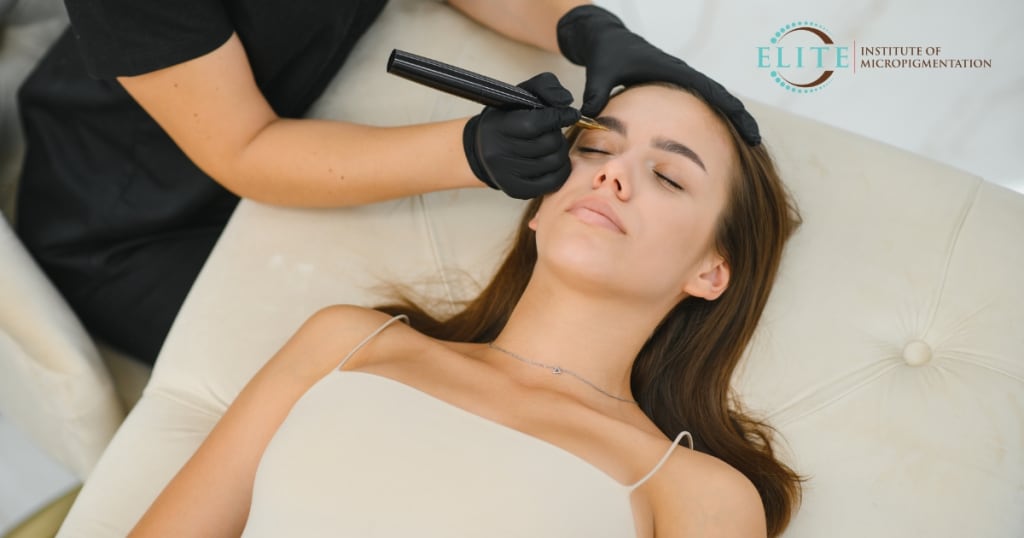
Just got permanent makeup done? Or looking forward to it soon? It can be exciting to finally get the long-lasting and well-defined facial features you’ve always wanted, but it’s important not to overlook the aftercare. After all, so many things can go wrong, like pigment fading and migration, patchiness and peeling of skin, infections and allergic reactions—not because the process was botched, but because people simply didn’t take enough care afterwards.
For permanent makeup, the aftercare is just as crucial as the initial procedure, determining how the final results will turn out. If you’re aiming for a truly beautiful and lasting look, here’s everything you need to keep in mind so you don’t make the same mistakes as others.
Steps of the Healing Process
Before we look into aftercare, let’s take a glance at how the healing process after a permanent makeup procedure can be like.
- Slight itchiness, swelling or reddening of Skin: Permanent makeup procedures involve cutting and piercing of skin and applying ink to them in little amounts. So, it’s perfectly normal for that area of skin to be a little tender and swollen at first. As the skin heals and flaky scabs are formed, it can look redder and feel itchy, but all of these will pass soon after just a few days.
- Initial Pigment Darkening: Right after the pigmentation process, the inks will look much darker, but there’s no need to panic. This happens because the pigments are still on the surface and have not yet settled into the skin. Given a few days, the color will go back to what was intended before.
- Natural Scabbing and Peeling of Skin: Our body will try to stop the bleeding from the tiny cuts and shed the affected skin as a natural healing feature. Therefore, you can expect some scabbing and peeling of the skin after microblading or any such permanent makeup procedure.
- Gradual Fading of Pigment: Once the scabs and flaky layers of skin have slowly peeled off on its own, the absorbed pigments that appeared dark before will now be lighter. This is why, one or more follow-up sessions are required to perfect the look.
Both during the healing process and after it’s done, there are multiple things to be mindful of, that most people either forget or ignore.
Common Aftercare Mistakes
Worried about whether you’re taking the necessary steps for aftercare? Many make these same common mistakes that easily can ruin your makeup, requiring more touch-ups or even makeup-removal. Here’s what one should and should not do after getting permanent makeup:
1. Frequently Touching the Area Before Healing
Your skin will feel itchy and swollen during the healing, maybe even a little painful as well. It almost feels tempting to touch the area constantly. But always remember not to do so. The pigments underneath your skin don’t settle well for at least 3 or 4 days. You might push them out of their intended region, causing pigment migration. Also, your skin is very sensitive right after the procedure and touching it can accidentally infect it with the dirt, grime and germs on your hand. Just for the first few days, keep your hands away from the area.
2. Too Much Moisture
Skin hydration is important, but during the healing period, make sure to avoid excess moisture and keep the area of skin dry. Both water and sweat can dissolve and fade the pigments, so you cannot take warm showers, soak in the bath for long, or do heavy exercise for the first few days. Don’t cover the area with any non-breathable fabric and wipe the area softly with a damp cloth when cleaning is needed.
3. Picking at Scabs and Flakes:
Never pick at the scabbed and flakey skin after any permanent makeup procedure. The skin will peel off on its own after healing properly. Forcefully doing it early won’t allow the inks to settle in skin and you can infect the wounds instead.
4. Applying Cosmetics over Permanent Makeup:
You may miss your makeup look for a few days, but do not apply any kind of cosmetic on the area of permanent makeup until the skin is completely healed. Other makeup can react with the sensitive healing skin and pigments, causing allergic reactions or infections.
5. Using Harsh Skincare Products:
For a few weeks after, you must abstain from your regular skincare routine and avoid using any products like exfoliating cleansers, scrubs, retinol creams, essential oils, makeup removers and similar on the area of permanent makeup.
6. Using Anything Other than Artist-Recommended Product:
All permanent makeup options require a different approach, and so does the healing. The makeup technician performing the procedure knows best about which method to follow and what to use for perfect results. Always follow your artist’s advice and only use the skincare products or kits they choose for you. For example, if you are told to use a specific ointment after an eyebrow microblading session, stick to that option no matter what someone else recommends, because what worked well for others may not be suitable for you.
7. Strong UV and Sun Exposure:
UV rays and heat from the sun can fade most skin pigments, which means no direct sunlight exposure when healing. When it’s still healing, you may not be able to use your regular sunscreen, so try to stay in the shade. After the area of skin is completely stable, use a gentle sunscreen and try not to get a tan. You cannot simply give up on sun protection just because the skin has finally healed.
8. Expecting Perfect Results After a Singular Session:
Contrary to popular belief, permanent makeup isn’t exactly permanent. It can, in fact, become dull and fade away without proper care. Also, do not expect to achieve the desired results in just one go. Multiple touch-up sessions are needed for perfecting the features, and follow-ups are required every few years for maintaining the look.
Stay aware of all these mistakes and follow your artist’s instructions, so that your permanent makeup isn’t accidentally ruined. If, for some reason, your skin feels irritated or doesn’t heal properly for longer than expected, contact your artist immediately.
About the Creator
Milla Rosen
Born in the USSR, Milla received a Master's Degree in electrical engineering. She had been working as an engineer for 10 years before she decided to finally fulfill her life’s dream and pursue a profession in the beauty industry.
Keep reading
More stories from Milla Rosen and writers in Blush and other communities.
How Does Permanent Makeup Work with Different Skin Types?
Permanent makeup procedures depend on your skin type to turn out good, since different skin types react differently to pigments. They also take different amounts of time to heal, making it all the more important to know your skin type before the procedure. Skin characteristics play an essential role in determining which pigments to use, how long they’ll last, when the skin will be healed, whether the ink will fade early or trigger an allergic reaction.
By Milla Rosenabout 3 hours ago in Blush
Aloe Vera in Skin Care
In recent years, the beauty industry has embraced aloe vera, infusing it into an array of skin care products ranging from moisturizers, serums, and masks to soothing gels and ointments. This versatile plant offers a variety of benefits for all skin types.
By Good health to everyone3 days ago in Blush


Comments
There are no comments for this story
Be the first to respond and start the conversation.