
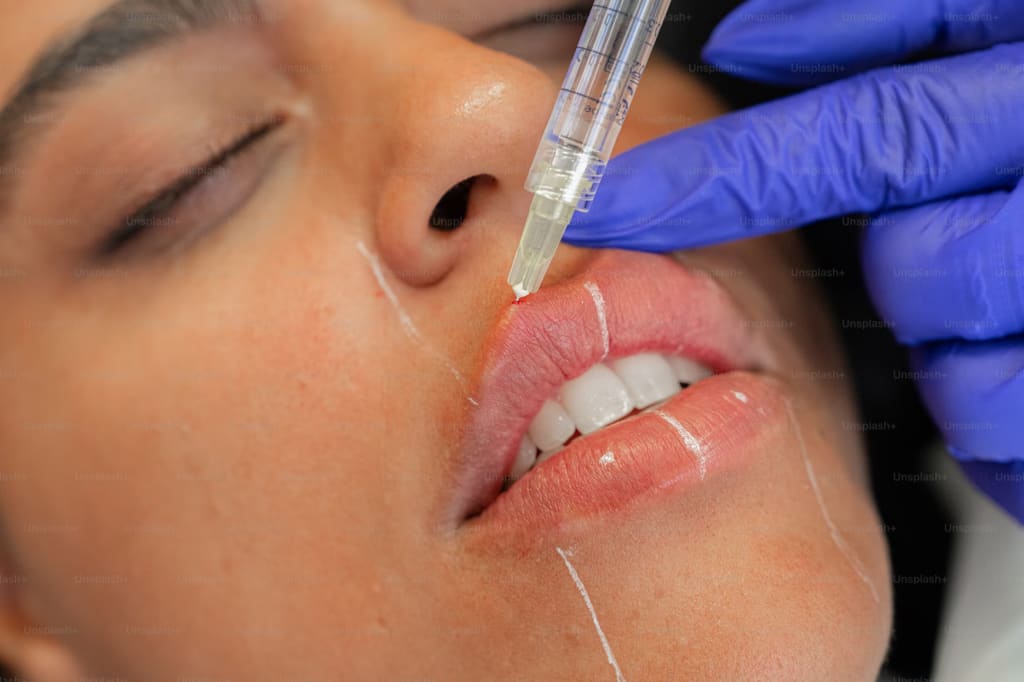
The Ultimate Guide to Lip Fillers: Everything You Need to Know
Introduction
In recent years, lip fillers have surged in popularity, offering a way to enhance and rejuvenate the lips with minimal downtime. This cosmetic procedure promises fuller, plumper lips and has become a go-to solution for those looking to achieve a more youthful and balanced appearance. However, despite its popularity, there is still a lot of curiosity and sometimes confusion surrounding the topic. In this comprehensive guide, we'll explore what lip fillers are, how they work, their benefits, potential risks, and what you can expect from the procedure.
What Are Lip Fillers?
Lip fillers, also known as lip injections, are a cosmetic procedure designed to enhance the volume, shape, and symmetry of the lips. The most common type of lip filler is based on hyaluronic acid (HA), a naturally occurring substance in the body that helps retain moisture and adds volume. Other types of fillers may include collagen or poly-L-lactic acid, though HA-based fillers are the most widely used due to their safety profile and effectiveness.
How Do Lip Fillers Work?
Lip fillers work by injecting a gel-like substance into the lips to add volume and shape. The procedure typically involves the following steps:
Consultation: Before the treatment, you'll have a consultation with a qualified practitioner who will assess your lip anatomy, discuss your goals, and determine the most appropriate type and amount of filler.
Preparation: The treatment area is cleansed, and a topical anesthetic or numbing cream is applied to minimize discomfort during the procedure.
Injection: The filler is injected into specific areas of the lips using a fine needle. The practitioner will carefully place the filler to achieve the desired volume and shape.
Post-Treatment Care: After the injections, you may experience mild swelling or bruising, which typically subsides within a few days. The practitioner will provide aftercare instructions to help manage any discomfort and optimize results.
Benefits of Lip Fillers
1. Enhanced Volume and Fullness
One of the primary reasons people choose lip fillers is to achieve fuller, more voluptuous lips. As we age, our lips can lose volume and definition. Lip fillers can restore this lost volume, giving the lips a plumper and more youthful appearance.
2. Improved Shape and Symmetry
Lip fillers can help improve the shape and symmetry of the lips. Whether you're looking to enhance your natural lip shape or correct asymmetry, fillers can be strategically placed to achieve a balanced and aesthetically pleasing result.
3. Non-Surgical Solution
Unlike surgical options, lip fillers are a non-invasive procedure with minimal downtime. The treatment can be performed quickly, often within 30 minutes to an hour, and most people can return to their daily activities almost immediately.
4. Customizable Results
Lip fillers offer a high degree of customization. The amount and type of filler can be adjusted to meet individual preferences and goals. Whether you want a subtle enhancement or more dramatic volume, your practitioner can tailor the treatment to achieve your desired look.
5. Temporary Yet Long-Lasting
One of the benefits of lip fillers is that they provide temporary results, typically lasting between six months to a year. This allows for adjustments and changes over time without committing to permanent alterations. Additionally, because HA-based fillers gradually break down in the body, the results are not abrupt, and you can maintain a natural appearance.
What to Consider Before Getting Lip Fillers
1. Choosing a Qualified Practitioner
The success of your lip filler treatment heavily depends on the skill and experience of your practitioner. It's essential to choose a licensed and experienced injector who specializes in facial aesthetics. Look for credentials, reviews, and before-and-after photos to ensure you're in capable hands.
2. Setting Realistic Expectations
While lip fillers can achieve impressive results, it's important to set realistic expectations. During your consultation, discuss your goals and concerns with your practitioner to ensure you have a clear understanding of what can be achieved.
3. Potential Allergic Reactions and Side Effects
Although lip fillers are generally safe, there is a possibility of allergic reactions or side effects. Common side effects include temporary swelling, bruising, and redness. Rare but more severe complications might include infection or uneven results. Discuss any concerns with your practitioner and be aware of the signs of potential complications.
4. Understanding the Cost
The cost of lip fillers can vary depending on the type of filler used, the amount required, and the geographic location of the practice. Ensure you understand the pricing structure and what is included in the cost before undergoing treatment.
Aftercare and Maintenance
1. Managing Swelling and Bruising
After the procedure, you may experience some swelling or bruising. Applying ice packs and avoiding strenuous activities can help minimize these effects. Follow your practitioner's aftercare instructions carefully to ensure optimal healing.
2. Avoiding Certain Activities
It's advisable to avoid activities that may increase blood flow to the lips, such as vigorous exercise, for the first 24–48 hours. Additionally, refrain from touching or massaging your lips to prevent any disruptions to the filler placement.
3. Regular Touch-Ups
To maintain your desired lip volume and shape, regular touch-ups may be necessary. The frequency of these touch-ups will depend on the type of filler used and your individual metabolic rate.
Risks and Considerations
1. Asymmetry and Uneven Results
While most lip filler treatments produce symmetric and even results, there is a possibility of asymmetry or unevenness. This can usually be addressed with follow-up adjustments, but it's important to choose a skilled practitioner to minimize this risk.
2. Infection and Allergic Reactions
Though rare, infections and allergic reactions can occur. Ensuring the procedure is performed in a sterile environment and discussing any allergies with your practitioner can help reduce this risk.
3. Filler Migration
Filler migration occurs when the filler moves from the intended area. This can sometimes happen with movement or pressure applied to the lips. A skilled practitioner will place the filler strategically to minimize this risk.
Conclusion
Lip fillers offer a versatile and effective solution for enhancing the volume, shape, and symmetry of the lips. With their non-invasive nature, customizable results, and minimal downtime, they have become a popular choice for individuals seeking a fuller and more youthful appearance. By understanding the procedure, benefits, potential risks, and aftercare requirements, you can make an informed decision and achieve the best possible results from your lip filler treatment.
If you're considering lip fillers, consult with a qualified and experienced practitioner to discuss your goals and develop a treatment plan that's tailored to your needs. Embrace the opportunity to enhance your natural beauty and enjoy the confidence that comes with well-defined, beautiful lips.
About the Creator
Keep reading
More stories from SKIN Clinics and writers in Blush and other communities.
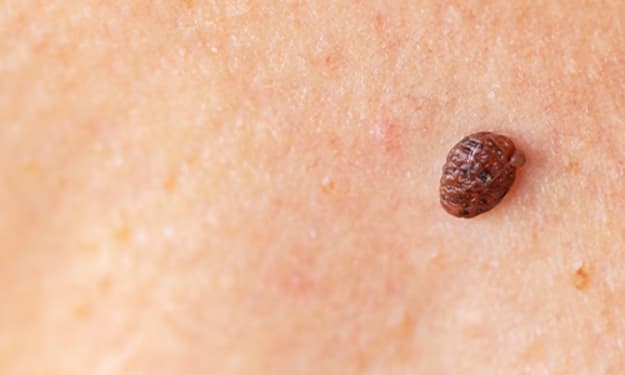
Benign Lesion
Understanding Benign Lesions: What You Need to Know Introduction When it comes to skin health and overall well-being, understanding the nature of various skin conditions is crucial. Among these, benign lesions are a common occurrence, often causing concern due to their appearance but typically posing no significant health risk. In this blog post, we'll delve into what benign lesions are, their types, how they are diagnosed, and what treatment options are available. By the end, you'll have a clearer understanding of these skin anomalies and how to manage them.
By SKIN Clinicsabout a year ago in Blush
The Story of Tyler and Charlie
JOHN BROWN V. HITLER In a world often divided by prejudice and misunderstanding, the meeting of two seemingly opposing figures, Tyler and Charlie, became a pivotal moment in their lives. Tyler, known for his compassionate heart, found himself in a position that challenged his beliefs and values. Charlie, who had lived a life filled with controversy and conflict, represented a past that many wished to forget. Yet, in this extraordinary encounter, Tyler saw an opportunity for redemption and forgiveness that could transcend their differences.
By Organic Products 5 days ago in Blush


Comments
There are no comments for this story
Be the first to respond and start the conversation.