
Understanding Benign Lesions: What You Need to Know
Introduction
When it comes to skin health and overall well-being, understanding the nature of various skin conditions is crucial. Among these, benign lesions are a common occurrence, often causing concern due to their appearance but typically posing no significant health risk. In this blog post, we'll delve into what benign lesions are, their types, how they are diagnosed, and what treatment options are available. By the end, you'll have a clearer understanding of these skin anomalies and how to manage them.
What Are Benign Lesions?
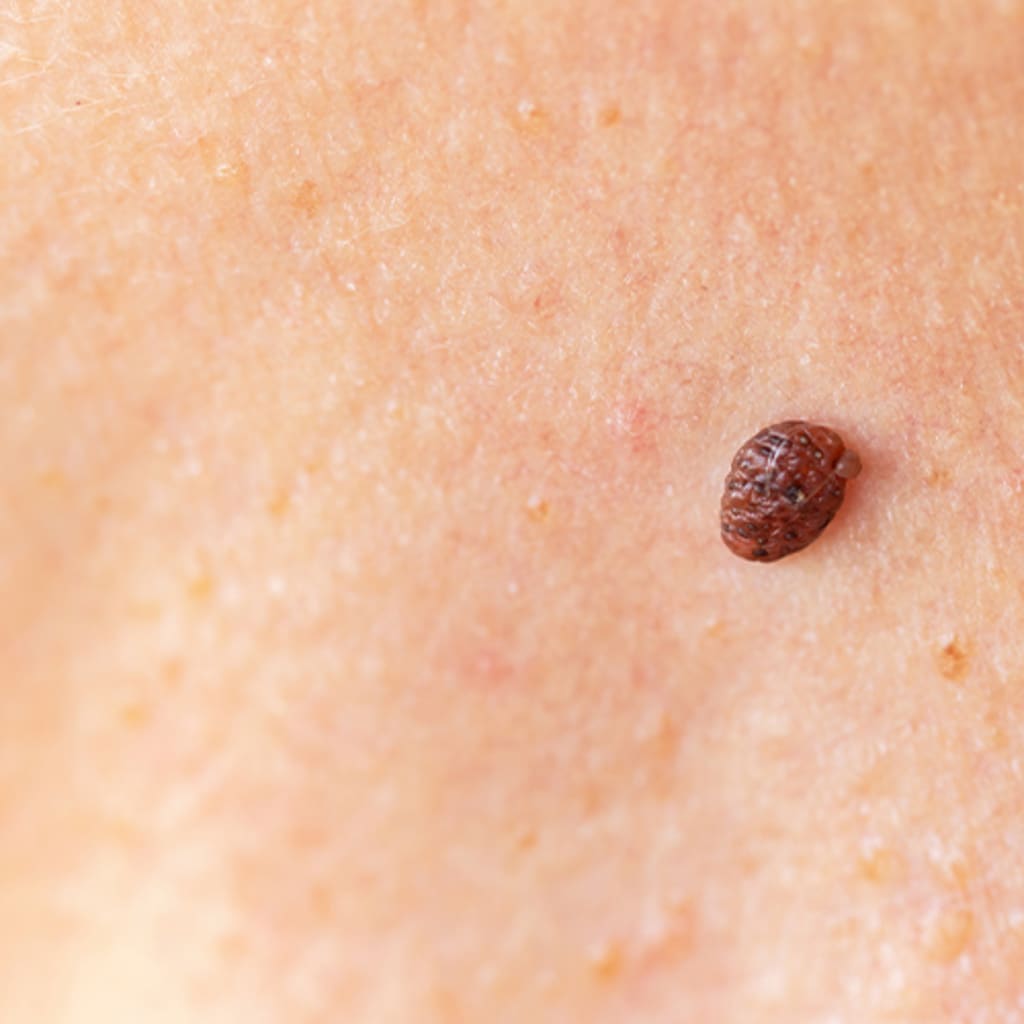
Benign lesions are non-cancerous growths or abnormalities that appear on the skin or other body tissues. Unlike malignant lesions, which can be cancerous and potentially life-threatening, benign lesions do not invade surrounding tissues or spread to other parts of the body. While they may be unsightly or uncomfortable, benign lesions are generally not a cause for serious medical concern.
Types of Benign Lesions
Benign lesions come in various forms, each with its own distinct characteristics. Here are some common types:
1. Moles (Nevi)
Moles, or nevi, are pigmented spots on the skin that are typically brown or black. They can be flat or raised and vary in size and shape. Most moles are harmless, but any changes in their appearance, such as changes in color, shape, or size, should be evaluated by a healthcare professional to rule out potential skin cancer.
2. Warts
Warts are caused by the human papillomavirus (HPV) and can appear as rough, raised bumps on the skin. They are commonly found on the hands, feet, and genital area. While warts are generally harmless, they can be contagious and may require treatment if they cause discomfort or spread.
3. Skin Tags
Skin tags are small, soft, benign growths that often appear in areas where skin rubs against skin or clothing, such as the neck, armpits, or groin. They are typically flesh-colored or slightly darker and may hang from the skin by a thin stalk. Skin tags are generally harmless but can be removed if they become irritated or for cosmetic reasons.
4. Seborrheic Keratosis
Seborrheic keratosis is a common, non-cancerous growth that appears as a waxy, raised bump on the skin. These lesions are usually tan, brown, or black and may have a scaly texture. They are often seen in older adults and can vary in size. Seborrheic keratosis is generally benign and does not require treatment unless it becomes painful or bothersome.
5. Lipomas
Lipomas are benign tumors composed of fatty tissue. They typically appear as soft, movable lumps under the skin and are usually painless. Lipomas can occur anywhere on the body and are generally harmless. However, if they become large or cause discomfort, they may be surgically removed.
6. Cherry Angiomas
Cherry angiomas are small, red or purple spots that appear on the skin due to the proliferation of blood vessels. They are common in adults and increase in number with age. Cherry angiomas are typically harmless but can be removed if desired for cosmetic reasons.
Diagnosis of Benign Lesions
Diagnosing benign lesions typically involves a combination of physical examination and, if necessary, further testing:
Physical Examination: A healthcare professional will examine the lesion and assess its characteristics, such as size, shape, color, and texture. They will also consider the lesion's location and any associated symptoms.
Dermatoscopy: For a more detailed examination, a dermatoscope may be used. This handheld device magnifies the lesion and provides a clearer view of its structure and patterns, aiding in diagnosis.
Biopsy: In some cases, a biopsy may be performed to obtain a small sample of the lesion for laboratory analysis. This helps confirm whether the lesion is benign or if there are any atypical features that need further investigation.
Treatment Options
Most benign lesions do not require treatment unless they cause discomfort or affect a person's appearance. Treatment options include:
Observation: For many benign lesions, regular monitoring is sufficient. Your healthcare provider may recommend periodic check-ups to ensure that the lesion remains stable and does not show signs of change.
Cryotherapy: This involves freezing the lesion with liquid nitrogen, which causes it to fall off over time. Cryotherapy is commonly used for warts and some types of skin tags.
Electrosurgery: Electrosurgery uses a high-frequency electrical current to remove the lesion. This technique is often used for skin tags and small growths.
Laser Therapy: Lasers can be used to remove or reduce the appearance of various benign lesions, including warts and cherry angiomas. Laser therapy is precise and minimizes damage to surrounding skin.
Surgical Excision: For larger or more problematic lesions, surgical excision may be necessary. The lesion is removed with a scalpel, and stitches may be required. This method is often used for lipomas or seborrheic keratosis.
Topical Treatments: Certain topical treatments may be prescribed to manage or remove benign lesions, particularly warts. These treatments may include medications that help dissolve or weaken the lesion.
When to Seek Medical Advice
- While benign lesions are generally harmless, it's important to seek medical advice if you notice any of the following:
- Changes in the appearance of the lesion, such as increased size, color changes, or bleeding.
- New lesions that appear suddenly or change rapidly.
- Lesions that cause pain, itching, or other symptoms.
Conclusion
Benign lesions are common and generally not a cause for alarm. Understanding the different types, how they are diagnosed, and available treatment options can help you manage these skin conditions effectively. Regular monitoring and consultation with a healthcare professional are key to ensuring that benign lesions remain harmless and to address any concerns promptly.
If you have any doubts or concerns about a skin lesion, don't hesitate to seek professional advice. By staying informed and proactive, you can maintain your skin health and address any issues that arise with confidence. #Skincare #Dermatology #SkinHealth #Confidence
About the Creator
Keep reading
More stories from SKIN Clinics and writers in Blush and other communities.
PRP Facial
The PRP Facial: Unlocking Youthful Skin with Your Body's Own Power In the ever-evolving world of skincare and beauty, the PRP (Platelet-Rich Plasma) facial, also known as the "vampire facial," has gained significant attention for its ability to rejuvenate the skin naturally. This innovative treatment harnesses the healing power of your own blood to promote collagen production, reduce fine lines, and improve overall skin texture. If you're curious about how the PRP facial works and whether it's right for you, this comprehensive guide will provide all the details you need to know.
By SKIN Clinicsabout a year ago in Blush
Aloe Vera in Skin Care
In recent years, the beauty industry has embraced aloe vera, infusing it into an array of skin care products ranging from moisturizers, serums, and masks to soothing gels and ointments. This versatile plant offers a variety of benefits for all skin types.
By Good health to everyonea day ago in Blush
Wild Card Weekend Recap: What Happens Now?
I think I figured out why I love Wild Card Weekend so much. It's because it's the first playoff anything of the calendar year. The NFL season starts in the fall, and once upon a time, the champion was crowned either on or slightly before New Year's. The evolution of the NFL schedule has resulted in the playoffs starting just into the New Year, and currently, the final week of the season falls on the first weekend of the New Year, with Wild Card Weekend coming a week after that. So yes, chronologically, the NFL's Wild Card Weekend serves as the first playoff anything of the calendar year.
By Clyde E. Dawkins6 days ago in Unbalanced




Comments
There are no comments for this story
Be the first to respond and start the conversation.