
Kissed by Color: The Sensual Psychology of Blush and Confidence
How a Touch of Pink Transforms Our Emotions, Appearance, and Self-Image
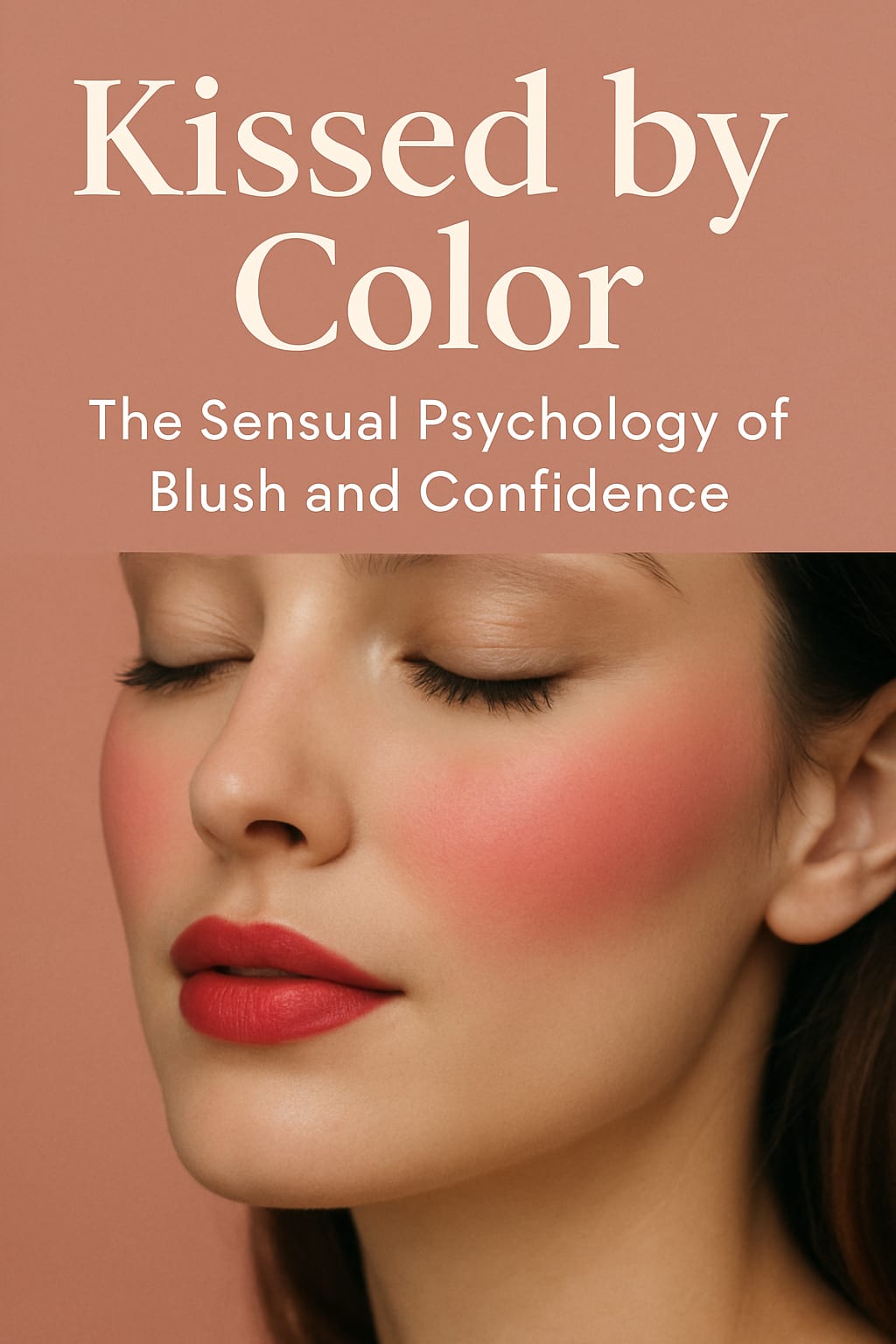
Introduction: The Power of a Simple Flush
Blush — that soft sweep of pink, rose, or coral dusted across the cheeks — might seem like a small part of one’s makeup routine. Yet, its impact on how we feel, how others see us, and the psychology behind its use goes deeper than skin level. More than just a cosmetic, blush carries with it a history, a sensual symbolism, and a surprising link to confidence. In this article, we explore how something so subtle can be so powerful.
A Brief History: Blushing Through Time
Blush has long been associated with vitality, health, and seduction. In ancient Egypt, both men and women used red ochre to color their cheeks. In Victorian England, natural blushing was prized as a sign of innocence and modesty. Later, in the early 20th century, blush became a modern staple, tied to glamor, femininity, and allure.
The use of blush has evolved, but its message remains similar: color in the cheeks signals life, attraction, and emotion. Whether it’s real or cosmetic, blushing catches the eye and invites curiosity.
Why Do We Blush Naturally?
Before we even reach for a makeup brush, our bodies already know the power of color. Blushing is a natural, physiological reaction often triggered by embarrassment, excitement, or attraction. When we blush, blood rushes to the surface of our skin, especially the cheeks. This involuntary reaction is linked to vulnerability, honesty, and emotional transparency.
Psychologists suggest that blushing is an evolutionary signal that promotes trust. When someone blushes, it can show sincerity or emotional depth, which makes others feel more connected to them. So, whether we know it or not, the soft glow of red on our cheeks is a deeply human expression.
Blush and Beauty: Enhancing Natural Appeal
Cosmetic blush mimics this natural reaction and is used to highlight the cheekbones, shape the face, and bring a healthy flush to the skin. But beyond the physical, applying blush can have emotional effects. Studies have shown that color on the cheeks can make a person appear more youthful, more vibrant, and more approachable.
Certain shades also evoke different feelings:
Peach gives off a fresh, warm vibe.
Rosy pink evokes romance and innocence.
Berry tones suggest boldness and depth.
Corals and reds can symbolize sensuality and confidence.
Blush adds dimension to the face — and to the self-image.
The Psychology of Blush: Color and Confidence
Color psychology is a growing field that examines how different shades affect our emotions. Blush tones, especially in pink and red families, stimulate energy, passion, and self-assurance. Applying blush can act as a psychological boost, much like putting on a favorite outfit or spritzing a cherished perfume.
For many people, the ritual of applying makeup — especially blush — is a moment of self-care and transformation. It’s not about hiding flaws but enhancing what already exists. When someone wears blush, they may stand taller, smile more, and feel more socially confident.
In interviews and social settings, people wearing blush are often perceived as more lively and engaged. In this way, a small dash of color can create a ripple effect in social dynamics.
Blush in Pop Culture and Media
From Marilyn Monroe’s radiant glow to today’s TikTok beauty influencers, blush has consistently held a place in beauty trends. In fact, trends like “cold girl makeup” and “sunburn blush” on social media highlight the enduring fascination with flushed cheeks.
Cultural references often tie blush to themes of romance, femininity, and desire. In movies and TV, characters often blush in scenes of emotional vulnerability, signaling authenticity and passion.
Interestingly, fashion has taken blush beyond makeup. The color “blush pink” is now a popular hue in clothing, weddings, home decor, and branding. It evokes softness, modern elegance, and intimacy — making it more than just a cheek color, but a full aesthetic.
Men and Blush: Breaking Gender Norms
While traditionally marketed toward women, blush is for everyone. Increasingly, men in the beauty industry — and outside of it — are embracing blush as part of their grooming routines. The idea that only women need to look “alive” or “radiant” is outdated. Everyone deserves to feel confident and express themselves through color.
Men, too, benefit from the confidence-enhancing effects of blush. It adds depth to the face, balances skin tone, and can project warmth and charisma.
Tips for Choosing and Applying Blush
Whether you’re a seasoned makeup user or a beginner, here are some tips to maximize the impact of blush:
Choose the Right Shade
Fair skin: soft pinks and peaches
Medium skin: roses and warm apricots
Deep skin: berries, tangerines, and reds
Use the Right Tools :
A soft, fluffy brush gives a natural blend. Cream blushes work well for dewy skin.
Know Your Face Shape
Apply blush according to your bone structure — for example, higher on the cheekbones for a lifted look or on the apples of the cheeks for a youthful flush.
Less is More
Build color slowly. You can always add more, but removing too much blush can be tricky.
Blush as Self-Expression
Makeup is personal, and blush is a playful, expressive tool. You can use it to channel your mood, match your outfit, or simply brighten your day. Some days it’s a soft glow, other days it’s a bold statement. Like fashion, blush is an art — and your face is the canvas.
There’s something sensual about applying blush — the gentle touch, the warm color, the feeling of transformation. It connects us to our emotions, our body, and our sense of identity.
Conclusion: The Blush That Goes Beyond Beauty
Blush isn’t just pigment on skin — it’s emotion, psychology, and confidence wrapped in color. Whether it’s natural or applied, the flush of the cheeks communicates vitality, warmth, and sincerity. In a world where so much is filtered and masked, blush offers a reminder of our humanness.
So the next time you reach for your compact or cream stick, remember: it’s more than makeup. It’s a moment of connection — with yourself, and with the world.
About the Creator
Idea hive
Article writer and enthusiast sharing insight and knowledge on nature, human behavior, technology, health and wellness, business, culture and society and personal development.
The Story of Tyler and Charlie
JOHN BROWN V. HITLER In a world often divided by prejudice and misunderstanding, the meeting of two seemingly opposing figures, Tyler and Charlie, became a pivotal moment in their lives. Tyler, known for his compassionate heart, found himself in a position that challenged his beliefs and values. Charlie, who had lived a life filled with controversy and conflict, represented a past that many wished to forget. Yet, in this extraordinary encounter, Tyler saw an opportunity for redemption and forgiveness that could transcend their differences.
By Organic Products 5 days ago in Blush
So You Decided To Become a Nurse Practitioner:
So you decided to become an "Advanced Practice" nurse. Congratulations!... is what I would say if this was a good idea. Grad school? In this economy? What were you thinking? Likely it was something along the lines of either 1) “I've seen these other chucklefucks do it— Why can't I?” or even 2) “I've got a nice career, I should shake it up. I miss feeling like I have no clue what I'm doing.”
By Sandor Szabo2 days ago in Fiction


Comments
There are no comments for this story
Be the first to respond and start the conversation.