
Keep It Simple, Keep It Real
Glow Up Starts Here

In a world filled with filters and flawless selfies, it’s easy to forget that real skin has texture, pores, and the occasional breakout. The good news? You don’t need a shelf full of expensive products to have healthy, glowing skin. You just need a consistent routine, a little patience, and a good understanding of what your skin actually needs.
There’s a common misconception that More products mean better skin. In reality, less is often more. Overloading your skin can lead to breakouts, irritation, and sensitivity. A basic skincare routine is more than enough for most people—and it usually includes three key steps: cleanse, moisturize, and protect.
1. Cleanser: This is your skin’s reset button. Washing your face twice a day helps remove dirt, oil, and pollutants that build up throughout the day or while you sleep. Choose a gentle cleanser that doesn’t strip your skin of its natural oils.
2. Moisturizer: Hydration is key, no matter your skin type. Even oily skin needs moisture—it just needs the right kind. Look for lightweight, non-comedogenic options if you’re acne-prone, or go for richer creams if you have dry or flaky skin.
3. Sunscreen: Think of this as your skin’s invisible shield. UV rays don’t just cause tanning—they break down collagen, cause pigmentation, and lead to premature aging. Use a broad-spectrum SPF 30 or higher, every single day, even when it's cloudy or you're indoors.
Know Your Skin Type
Not everyone has the same skin. Some have naturally oily skin that shines by noon, while others are battling dry patches even in summer. Here’s a quick breakdown:
Oily Skin: Tends to shine, especially on the forehead and nose. Prone to acne and blackheads.
Dry Skin: Feels tight, itchy, or flaky. May look dull or rough.
Combination Skin: Oily in some areas (like the T-zone) and dry in others.
Sensitive Skin: Reacts easily to products or weather. Often gets red, itchy, or irritated.
Knowing your skin type helps you choose products that work for you, not against you.
Extra Care, When Needed
Once you’ve nailed your basic routine, you can add products based on your skin goals:
Exfoliants (1–2 times a week): These help remove dead skin cells. Chemical exfoliants like AHAs and BHAs are gentler and more effective than rough scrubs.
Serums: These are concentrated formulas that tackle specific concerns. Vitamin C brightens, niacinamide reduces redness, and retinol helps with wrinkles and acne.
Face Masks: Great for a little self-care and skin boost. Clay masks absorb oil, while sheet masks add hydration.
But remember—always patch test new products. Your skin needs time to adjust.
What You Do Off the Skin Matters Too
Your lifestyle shows on your face. Tired? Stressed? Eating too much junk? It’s probably showing up as breakouts, puffiness, or dull skin. Here are a few small habits that make a big difference:
Drink plenty of water.
Get 7–8 hours of sleep.
Eat more fruits, veggies, and foods rich in omega-3s.
Avoid smoking and limit alcohol.
Manage stress through journaling, walking, or even 5-minute meditations.
Skincare isn’t just what you apply—it’s how you live.
Don’t Fall for the Hype
It’s easy to get tempted by trendy products on social media. One week it’s snail slime, the next it’s watermelon toner. While some of these may work, don’t switch routines just because of a viral post. What works for someone else may not work for you—and that’s okay.
Stick to what makes your skin happy. Results don’t happen overnight. Be kind, be consistent, and your skin will reward you with that natural glow.
Final Thoughts
Healthy skin isn’t perfect skin—it’s skin that’s cared for. You don’t need 10 steps or pricey products. What you do need is consistency, a little knowledge, and a lot of self-love.
So, start simple. Stick to the basics. And let your glow-up begin, one day at a time.
About the Creator
Keep reading
More stories from Kratika Saxena and writers in Blush and other communities.
Glow Up!!
Let’s face it: Skincare isn’t just about vanity anymore. It’s a cultural movement, a self-care ritual, and a $200 billion global industry that’s evolving faster than TikTok algorithms. But with endless product launches, conflicting advice, and "miracle" ingredients flooding your feed, how do you separate fact from fad? Buckle up—we’re cutting through the noise to reveal the ultimate guide to radiant, healthy skin in 2024. Whether you’re battling acne, aging, or just everyday stress, this isn’t your grandma’s cold cream routine.
By Kratika Saxena11 months ago in Blush
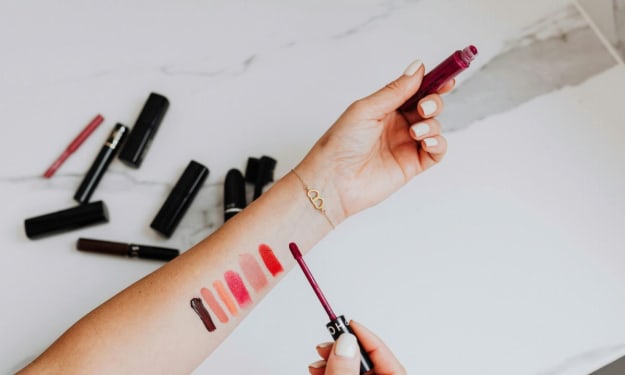
Choose the Right Lipstick Shade for Your Skin Undertone
Choosing the right lipstick shade can completely transform a makeup look. While many people pick colors based on trends or personal preference, the most flattering lipstick usually depends on one important factor: your skin undertone. Understanding your undertone helps you select shades that naturally enhance your complexion rather than clash with it.
By Stories Today4 days ago in Blush
Andreas Szakacs: The Actor and Producer Shaping Stories at the Intersection of Technology and Power
In today’s entertainment industry, where technology and storytelling increasingly overlap, a new generation of filmmakers and actors is emerging to explore this evolving landscape. Among them is Andreas Szakacs — an actor and producer whose work frequently explores the intersection of finance, artificial intelligence, and global influence.
By Andreas Szakacsa day ago in Blush



Comments
There are no comments for this story
Be the first to respond and start the conversation.