
Is Laser Toenail Fungus Treatment Safe and Effective? Here’s What the Research Says
Understanding the Science, Safety, and Success Rates Behind Laser Toenail Fungus Treatment
Introduction
Toenail fungus, medically known as onychomycosis, is a common and persistent issue that affects millions of people across the globe. While traditional antifungal medications and topical treatments have long been used, laser toenail fungus treatment is gaining popularity as a non-invasive and potentially more effective option. But how safe and effective is it really? In this blog, we’ll dive into the science behind laser treatment for toenail fungus, explore current research, and discuss whether it’s the right choice for you.
What is Laser Toenail Fungus Treatment?
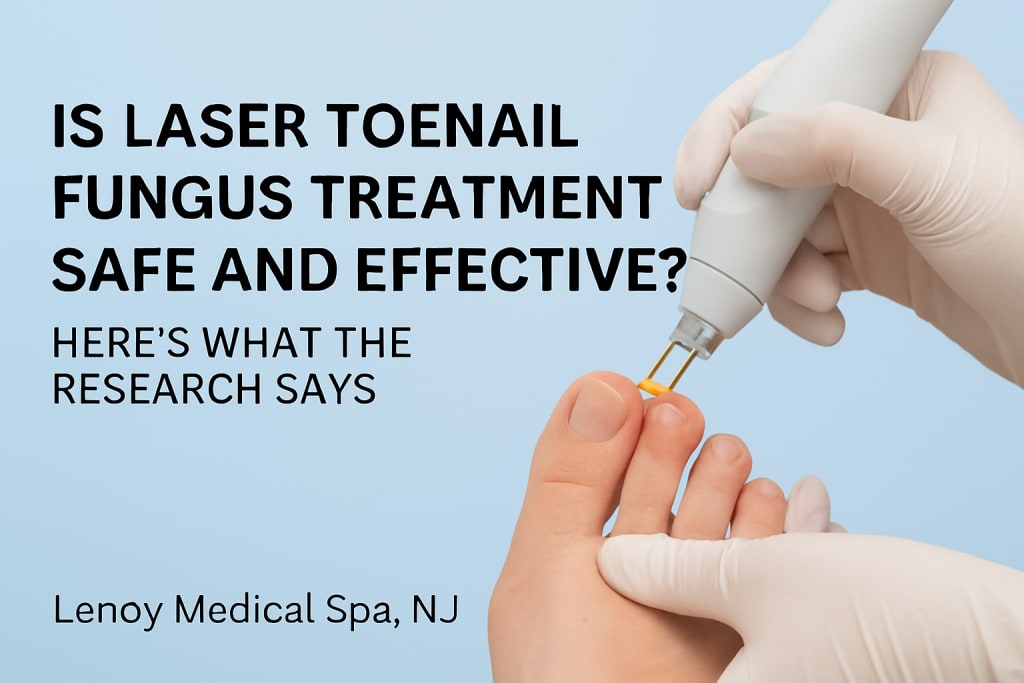
Laser toenail fungus treatment uses targeted light energy to penetrate the nail and destroy the fungus without damaging surrounding tissues. Unlike oral medications, which may have systemic side effects, or topical treatments that often struggle to reach the root of the infection, lasers aim to treat the problem at its source.
At clinics like Lenoy Medical Spa in New Jersey, FDA-cleared laser devices are used to deliver heat and light precisely to the infected nail bed, disrupting the fungal cells and creating an environment where they cannot survive.
How Effective Is Laser Toenail Fungus Treatment?
Numerous clinical studies have been conducted to evaluate the efficacy of laser therapy for fungal nail infections. Here’s what the research says:
- A study published in the Journal of the American Podiatric Medical Association found that after four laser sessions, 79% of patients showed significant improvement in the appearance of their nails.
- Another study in the Journal of Dermatological Treatment concluded that laser therapy reduced fungal presence in 65-85% of patients, with minimal side effects.
Effectiveness Highlights:
- Works in hard-to-reach areas under the nail.
- Targets fungal cells without harming surrounding tissue.
- Shows visual improvement over 2–3 months.
- Can be combined with topical antifungals for better outcomes.
While laser treatment is not guaranteed to work for everyone, it often offers promising results — especially when started early.
Is Laser Toenail Fungus Treatment Safe?
Safety is a top concern for anyone considering a new treatment. Fortunately, laser toenail fungus treatment is considered very safe for most individuals.
Here’s why:
- Non-invasive: No cutting, injections, or oral drugs.
- No anesthesia: The treatment is usually painless or mildly warm.
- FDA-cleared: Devices used in reputable clinics like Lenoy Medical Spa, NJ, meet strict safety standards.
- Minimal downtime: Patients can resume daily activities immediately.
Possible side effects are rare and may include slight warmth or mild discomfort during the session. However, these effects typically resolve on their own within minutes.
Who is a Good Candidate for Laser Toenail Fungus Treatment?
Laser toenail fungus treatment may be a good fit for individuals who:
- Have mild to moderate toenail fungus.
- Cannot tolerate oral antifungal medications due to liver issues or side effects.
- Prefer non-invasive, drug-free options.
- Have tried topical treatments without success.
However, it may not be suitable for:
- Severe infections with significant nail thickening or damage.
- Individuals with poor circulation or diabetes (who may require specialized care).
A consultation with a licensed provider at Lenoy Medical Spa in NJ can help determine your eligibility.
What to Expect During the Treatment
Each laser session typically takes 15–30 minutes, depending on the number of nails being treated. Here's what you can expect:
- Cleaning: The nail is cleaned and trimmed.
- Application: A specialized laser is aimed at the affected nail.
- Treatment: Patients may feel a warming sensation, but it's not painful.
- Repeat Sessions: Most people require 2–4 sessions spaced a few weeks apart.
After treatment, it can take 6–12 months for a clear, healthy nail to fully grow in, since nails regenerate slowly.
Benefits of Laser Toenail Fungus Treatment
✔ Non-invasive and painless
✔ No downtime or recovery period
✔ Minimal to no side effects
✔ High success rates with proper care
✔ Boosts nail appearance and confidence
Tips for Best Results
While laser treatment is powerful, you can enhance its effectiveness with these simple habits:
- Keep your feet dry and clean.
- Use antifungal spray or powder in shoes.
- Change socks daily and avoid going barefoot in public areas.
- Avoid sharing nail clippers or shoes.
At Lenoy Medical Spa, our team provides customized aftercare guidance to help prevent recurrence.
Cost and Insurance Coverage
Laser toenail fungus treatment is considered a cosmetic procedure, so most insurance providers do not cover it. However, many clinics offer bundled pricing or monthly packages. At Lenoy Medical Spa, NJ, we believe in affordable, quality care and offer competitive pricing with visible results.
Laser Toenail Fungus Treatment in New Jersey
If you're struggling with fungal toenail infections and live in Belleville, Metuchen, Elizabeth, or surrounding areas in New Jersey, Lenoy Medical Spa offers expert care using advanced laser technology. Our licensed professionals have helped hundreds of patients regain healthy, clear nails.
Conclusion: Is It Worth It?
Laser toenail fungus treatment is a safe, effective, and modern solution for those who’ve tried other methods without success. Backed by scientific research and FDA clearance, it’s becoming a go-to treatment for people seeking clearer, healthier nails.
If you're ready to leave thick, discolored nails behind and step confidently into open-toed shoes again, a laser toenail fungus session at Lenoy Medical Spa, NJ might be just what you need.
About the Creator
Keep reading
More stories from Chetankumar Chauhan and writers in Blush and other communities.
How Long is the Medical Exam for a US Visa Valid For?
Congratulations! You're embarking on the exciting journey of applying for a US visa. One essential step in this process is the medical examination. This comprehensive health assessment ensures you meet the entry requirements and helps safeguard public health. But how long do these medical exam results remain valid? Let's delve into the details.
By Chetankumar Chauhan9 months ago in Blush
Top 10 Hair Extension Brands to Consider in 2026
In the world of high-end beauty, hair extensions are more than just an accessory—they are a transformative tool for volume, length, and artistic expression. For salon owners and stylists, the brand you choose defines your reputation. For the consumer, it defines their confidence.
By Alex Morgan7 days ago in Blush
A Story of ICE
Here’s a truthful, fact-based story that focuses on controversies, abuses, and documented misconduct involving Immigration and Customs Enforcement (ICE) officers — including real incidents, patterns of behavior, and criticisms grounded in reporting and investigations. This is not fiction but a narrative drawn from documented events and allegations.
By Organic Products 3 days ago in Blush
Center Stage with Paul Stewart
*** I'm keen to republish the interviews I did for my series with Vocal creators. It's been a few years and I thought it might be nice to revisit these wonderful conversations. I'll be releasing them one at a time for a few weeks/months.
By Heather Hubler5 days ago in Interview




Comments
There are no comments for this story
Be the first to respond and start the conversation.