
I [Just] Conducted an Exit Interview for an Unhappy Gen Z. She Confused Me Big Time
The Role of Mental Health in Job Satisfaction

Introduction
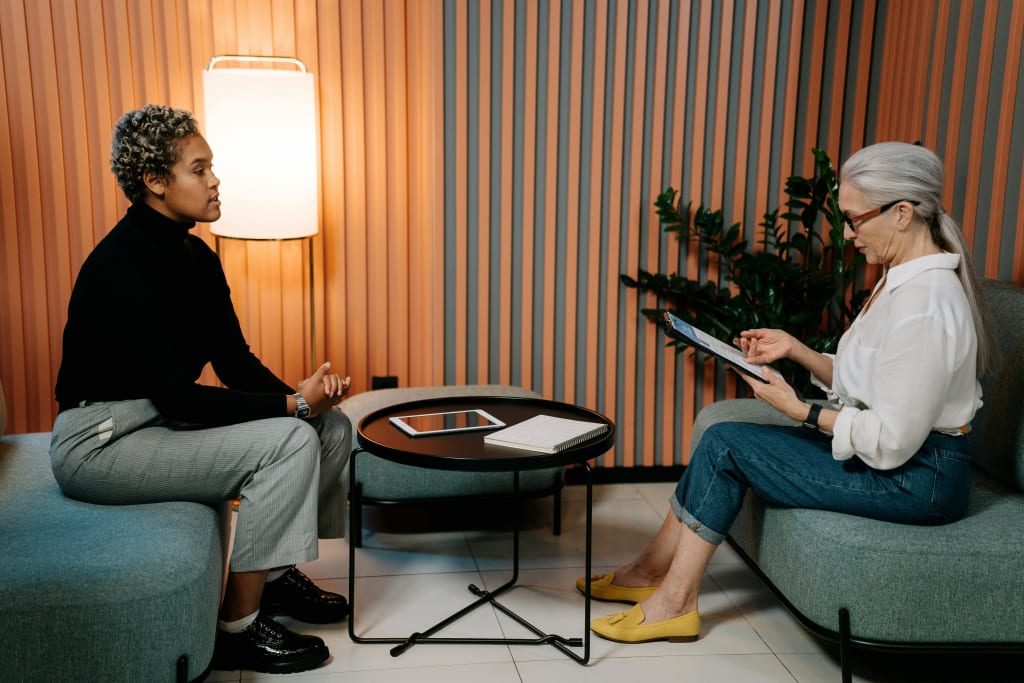
Gene Z is making its mark on the workplace, and as more of them enter the workforce, we’re seeing a shift in expectations and work culture. As an employer or manager, keeping up with these changes is crucial. One way to understand why employees leave is through exit interviews. But recently, I conducted an exit interview with a Gen Z employee, and to be honest, it left me scratching my head. Let me share what happened.
Understanding the Exit Interview Process
What Is an Exit Interview?
An exit interview is a final conversation between a company and an employee who's about to leave. The goal? To find out why they’re leaving and what the company can do better. It’s a chance for honest feedback, but sometimes the feedback is… surprising.
Why Exit Interviews Matter for Companies
Exit interviews are more than just a formality. They provide valuable insights into your company’s culture, work environment, and any underlying issues that may be driving people away. If you don’t ask, you won’t know where improvements are needed.
Who Is Gen Z?
A Brief Overview of Generation Z
Generation Z includes those born between 1997 and 2012. They are digital natives, having grown up with smartphones, social media, and instant access to information. They’re different from previous generations in many ways, especially in how they view work.
Gen Z's Workplace Preferences
Gen Z wants flexibility, purpose, and a work-life balance. They prioritize mental health and expect employers to offer more than just a paycheck. They look for companies that align with their values and care about their well-being.
The Unhappy Gen Z Employee
Identifying the Signs of Discontent
When this Gen Z employee first joined our company, she seemed engaged and passionate. But as time went on, there were subtle signs of dissatisfaction—more frequent sick days, lack of enthusiasm in meetings, and ultimately, her decision to resign.
The Initial Shock During the Interview
I went into the exit interview thinking it would be a straightforward conversation. But from the start, her responses were unexpected. It wasn’t about money or career growth, as I assumed. It was something deeper, something I hadn’t anticipated.
Expectations vs. Reality
What Employers Think vs. What Gen Z Wants
Many employers believe Gen Z wants the same things older generations did: job security, promotions, and a good salary. While those things matter, Gen Z wants more. They crave meaningful work, flexibility, and a sense of purpose.
Common Misunderstandings in the Workplace
One common misunderstanding is that Gen Z is lazy or entitled. But in reality, they are simply redefining the meaning of work. They want their jobs to fit into their lives, not the other way around. This shift can be confusing for employers who are used to the traditional 9-to-5 mindset.
Key Points Raised by the Gen Z Employee
Concerns About Flexibility
One of her main concerns was the lack of flexibility. She didn’t feel comfortable being tied to a rigid schedule. She wanted the freedom to work when she was most productive, rather than adhering to a strict 9-to-5 structure.

Desire for Purposeful Work
Another point she raised was the lack of purpose in her role. She wanted to know that her work made a difference and contributed to something bigger than herself.
Lack of Communication and Feedback
She also mentioned feeling isolated, citing a lack of consistent communication and feedback from her managers. Gen Z thrives on feedback, and without it, they feel disconnected and unmotivated.
The Role of Mental Health in Job Satisfaction
The Importance of Work-Life Balance for Gen Z
Mental health is a priority for Gen Z, and they value employers who respect their need for a work-life balance. This employee felt her job was taking a toll on her mental health, and the company wasn’t doing enough to support her.
Addressing Burnout and Stress
She also talked about burnout—a common issue among younger employees. High expectations, combined with little rest or relaxation, can lead to stress. Companies need to recognize and address this issue to retain young talent.
The Confusion During the Interview
Why Her Responses Were Surprising
Her focus on flexibility and mental health, rather than salary or career advancement, caught me off guard. It was clear that my understanding of what mattered to her didn’t align with her actual needs.
Misaligned Priorities Between Management and Gen Z
This disconnect between management’s priorities and Gen Z’s needs is something many companies are facing. We think we know what will keep them happy, but often, we’re missing the mark.
How Companies Can Respond to Gen Z's Needs
Improving Communication and Feedback Loops
To bridge this gap, companies must improve their communication. Regular feedback, both positive and constructive, helps Gen Z feel valued and engaged.
Offering Flexibility and Purposeful Work
Offering flexibility isn’t just a perk anymore — it’s becoming a requirement. Whether it’s remote work or flexible hours, adapting to this demand is key to retaining younger employees.
Adjusting Management Strategies for Gen Z
The Shift Toward Empathy-Driven Leadership
Empathy is essential when managing Gen Z. They want to feel understood and supported, not just managed. Leaders need to take the time to listen and adapt their leadership styles accordingly.
Personalization and Flexibility in the Workplace
Tailoring roles to align with individual strengths and allowing for personal growth within the company is a great way to keep Gen Z motivated. Flexibility also shows that the company trusts its employees.
The Takeaways from This Exit Interview
Lessons Learned from the Interaction
This exit interview taught me that it’s crucial to really listen to your employees, especially those from younger generations. Their expectations may be different, but that doesn’t mean they aren’t valid.
What Other Employers Can Learn
The workplace is changing, and Gen Z is leading the charge. Employers need to adapt if they want to retain this talented, innovative generation.
Challenges Companies Face with Gen Z
Balancing Expectations
It’s not easy to balance the needs of a multigenerational workforce, but with open communication, it’s possible to find common ground.
Retaining Young Talent
Retaining Gen Z requires effort, but the payoff is a more engaged, innovative workforce that pushes the company forward.
How Gen Z Is Reshaping Workplace Culture
The New Norms Set by Younger Generations
From flexible schedules to a focus on mental health, Ge Z is reshaping how we think about work. They’re setting new expectations that other generations may soon follow.

A Future-Focused Approach to Employee Engagement
By focusing on the needs of Gen Z, companies can create a future-focused, inclusive workplace that benefits everyone.
The Importance of Ongoing Feedback
How Continuous Dialogue Builds Trust
Regular feedback
About the Creator
Muhammad Nadeem
Hello! I'm your go-to resource for the oddball, the curious, and the simply fascinating. You can find me exploring the more bizarre areas of the internet. I investigate everything while maintaining a healthy dose of curiosity and humor.
Keep reading
More stories from Muhammad Nadeem and writers in Blush and other communities.
Am I living? Or just passing time?
Introduction: The Difference Between Living and Existing Have you ever stopped for a moment and asked yourself, “Am I truly living, or am I just passing time?” It’s a question that can pop up in our minds during quiet moments of reflection, especially when life feels monotonous or unfulfilling. But what does it mean to truly live versus merely exist?
By Muhammad Nadeemabout a year ago in Chapters
The Story of Tyler and Charlie
JOHN BROWN V. HITLER In a world often divided by prejudice and misunderstanding, the meeting of two seemingly opposing figures, Tyler and Charlie, became a pivotal moment in their lives. Tyler, known for his compassionate heart, found himself in a position that challenged his beliefs and values. Charlie, who had lived a life filled with controversy and conflict, represented a past that many wished to forget. Yet, in this extraordinary encounter, Tyler saw an opportunity for redemption and forgiveness that could transcend their differences.
By Organic Products 4 days ago in Blush




Comments
There are no comments for this story
Be the first to respond and start the conversation.