
How to Clean Your Silver Necklace: A Comprehensive Guide
If you’re wondering how to clean silver necklace, you’ve come to the right place. Silver necklaces are not just pieces of jewelry; they often hold sentimental value and can be quite beautiful, but over time they can tarnish and lose their shine. This comprehensive guide will walk you through everything you need to know about cleaning your silver necklace, ensuring that it remains a cherished part of your collection for years to come.
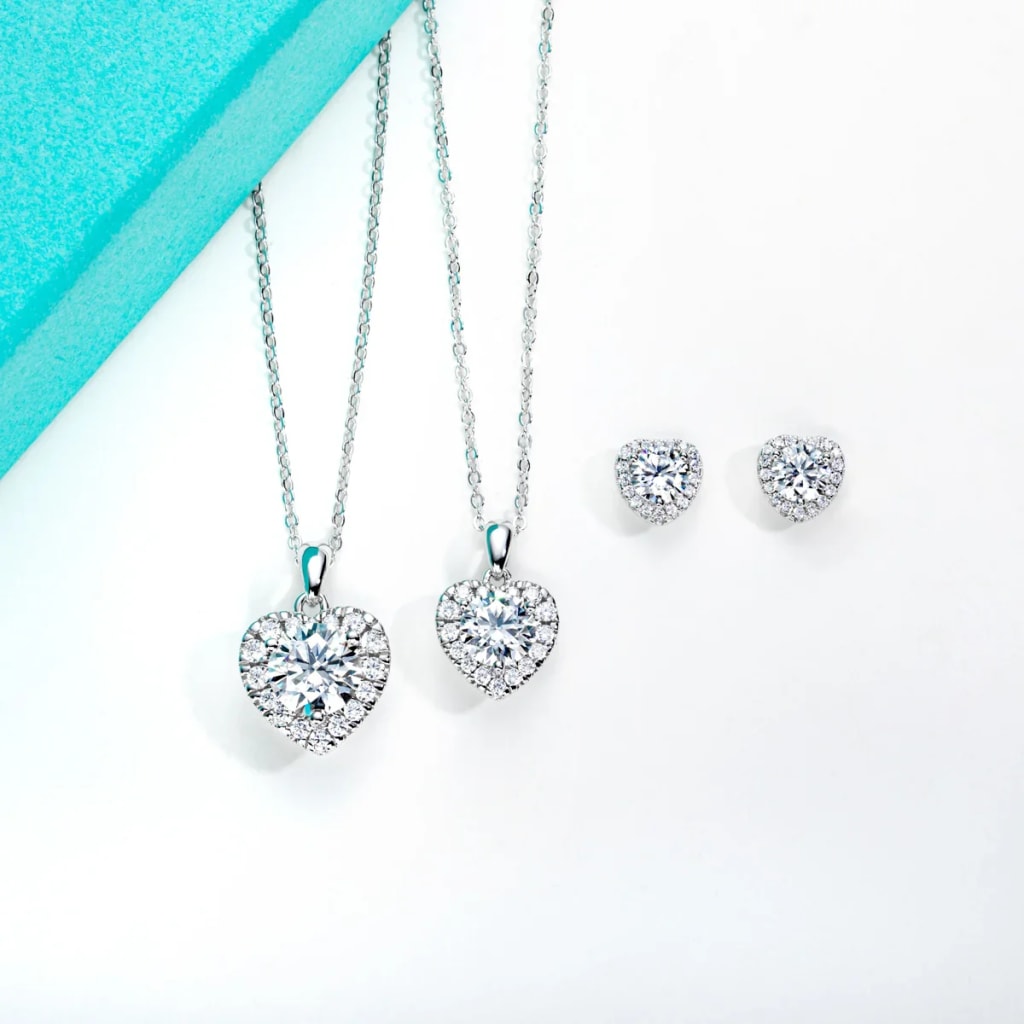
Understanding Silver Necklaces
An understanding of what comprises silver necklaces is crucial to maintaining them properly. Different types of silver are used in jewelry making, and each type may require different care. Additionally, knowing why tarnishing occurs will help you devise a better cleaning routine.
Types of Silver Used in Jewelry
When discussing how to clean silver necklace, one must understand the various types of silver commonly used in jewelry.
Sterling silver is the most prevalent type used in necklaces and other jewelry. It consists of 92.5% pure silver and 7.5% other metals, usually copper. This alloy is durable yet malleable enough to create intricate designs.
Another type is argentium silver, which is a modern alternative to sterling silver. It contains a higher percentage of pure silver and incorporates germanium, which makes it more tarnish-resistant.
Fine silver is composed of 99.9% pure silver and is softer than sterling or argentium. While it’s less common for necklaces due to its softness, it is still important to recognize that fine silver requires careful handling during cleaning.
Common Reasons for Tarnish
Understanding the reasons behind tarnish is essential when learning how to clean silver necklace. Tarnishing occurs when silver reacts with sulfur compounds in the air or from skin contact, leading to a dull, discolored surface.
Environmental factors play a significant role as well. Humidity, pollution, and exposure to chemicals like perfumes or hairsprays can accelerate tarnishing.
Lastly, improper storage can lead to tarnish buildup. Storing your necklace in a non-breathable bag or leaving it exposed to the elements can cause it to tarnish more quickly. Knowing these factors will help you keep your necklace looking new longer.
Importance of Cleaning Your Silver Necklace
Cleaning your silver necklace isn’t just about aesthetics. It serves practical purposes that ensure the longevity of your jewelry.
Maintaining Aesthetic Appeal
One of the primary reasons for cleaning your silver necklace is to maintain its stunning appearance. A shiny, well-maintained piece catches the light beautifully and enhances any outfit.
When left uncleaned, tarnish can accumulate, dulling the shine and beauty of your piece. Regular cleaning helps retain the original luster, making it an eye-catching accessory.
Moreover, a clean necklace reflects not only the quality of the piece itself but also the care and love of the wearer. Taking the time to clean your jewelry showcases your attention to detail and personal style.
Preventing Damage and Wear
Neglecting to clean your silver necklace can lead to irreversible damage over time. Tarnish can eat away at the metal, causing pitting or deterioration.
By regularly cleaning your necklace, you can remove harmful substances that contribute to tarnish, thereby preventing long-term wear and tear.
Additionally, proper cleaning techniques can avoid scratching or damaging delicate components of your necklace, such as stones or intricate designs. This protective measure ensures that your necklace remains intact and beautiful for generations.
Tools and Materials Needed for Cleaning
Before you embark on the journey of cleaning your silver necklace, make sure you have all the necessary tools and materials handy. This preparation will facilitate a smoother and more effective cleaning process.
Cleaning Cloths
A high-quality cleaning cloth specifically designed for silver is a must-have. These cloths are often treated with special solutions that make them effective in removing tarnish without scratching the surface.
Make sure to use a separate cloth for drying after washing or soaking your necklace. This two-step process will help prevent additional tarnish from forming.
Avoid using regular household towels or paper towels, as they can contain fibers that scratch the silver. Dedicated polishing cloths are your best bet for maintaining your jewelry’s integrity.
Cleaning Solutions
Finding the right cleaning solutions is pivotal when learning how to clean silver necklace effectively. You can opt for commercial silver cleaners, which are formulated to remove tarnish safely.
Alternatively, you can create homemade solutions using common household items. For instance, a simple mixture of warm water and dish soap can be quite effective for basic cleanings.
Always read the labels of commercial products to ensure they are safe for your specific type of silver and won't damage any additional features of your necklace.
Soft Brushes and Toothbrushes
Soft brushes, particularly those with gentle bristles, are excellent for cleaning intricate designs and hard-to-reach places in your necklace.
An old, soft-bristled toothbrush can effectively get into small crevices without scratching the surface.
Make sure to use a gentle hand when scrubbing, as too much pressure can cause damage. The idea is to delicately lift tarnish and grime while keeping the structure of the necklace intact.
Bowls and Containers
Choose bowls or containers that are large enough to allow your necklace to soak completely if needed.
Use plastic or glass bowls, as metal bowls can react with certain cleaning solutions and may cause further tarnishing.
Having a dedicated space for cleaning can streamline the process and minimize the risk of dropping or damaging your jewelry.
Basic Cleaning Techniques
There are several basic techniques you can employ when learning how to clean silver necklace. Each method serves a different purpose and may work better depending on the condition of your jewelry.
Using a Silver Polishing Cloth
The simplest and most widely accepted method is using a silver polishing cloth. These cloths are designed to gently buff the surface of your necklace, removing tarnish and restoring shine.
Start by rubbing the cloth over the areas that show signs of tarnish. Use circular motions to cover the entire surface evenly.
Once satisfied with the results, use a clean section of the cloth to give it a final wipe. This technique is quick and effective for regular maintenance.
Soaking in Cleaning Solution
For more stubborn tarnish, soaking your necklace in a cleaning solution can be beneficial. Create a solution using warm water and a few drops of mild dish soap.
Place your necklace in the bowl and let it soak for about 15 to 20 minutes. After soaking, use a soft brush to gently scrub away any remaining tarnish.
Rinse the necklace thoroughly under lukewarm water to remove any soap residue. Make sure to dry it completely using a polishing cloth before storing it away.
Gentle Scrubbing Method
Sometimes, a little elbow grease is necessary. If tarnish persists after soaking, you may need to employ a gentle scrubbing method.
Using a soft brush or toothbrush, dip it in your cleaning solution and delicately scrub the tarnished areas. Avoid applying too much pressure, as this could scratch the surface.
After scrubbing, rinse the necklace thoroughly and dry it with a polishing cloth. This method is effective for intricate designs that require extra care.
Advanced Cleaning Methods
If basic cleaning techniques don’t yield desired results, there are several advanced methods you can try. These techniques can be more effective for heavy tarnish.
Baking Soda and Water Paste
Baking soda is known for its remarkable cleaning properties. To create a paste, mix equal parts baking soda and water to form a thick consistency.
Apply this paste to the tarnished areas of your necklace, using a soft cloth or sponge to gently rub it in. Allow it to sit for a few minutes before rinsing under warm water.
Dry with a polishing cloth afterward. This method can restore even heavily tarnished items, but be cautious—frequent use may wear away the silver over time.
Aluminum Foil and Baking Soda Method
This method utilizes the chemical reaction between aluminum foil and baking soda to remove tarnish effectively. Line a bowl with aluminum foil, shiny side up, and fill it with boiling water.
Add a generous amount of baking soda, which will create fizzing bubbles. Place your tarnished necklace in the solution, ensuring it touches the foil.
Allow it to sit for several minutes, then remove and rinse thoroughly. This technique is efficient and can restore significant shine to your piece.
Commercial Silver Cleaners
For individuals who prefer convenience, commercial silver cleaners provide a quick solution. Read the instructions carefully to ensure compatibility with your necklace.
These products are generally easy to use—simply apply the cleaner with a cloth or immerse the necklace according to the guidelines.
While effective, always consider the potential for chemical reactions and follow up with thorough rinsing and drying to avoid any residual effects.
Natural Remedies for Cleaning Silver
If you prefer eco-friendly methods, natural remedies can be both effective and safe for cleaning your silver necklace.
Vinegar and Baking Soda Solution
Vinegar is renowned for its cleaning abilities. Mix half a cup of vinegar with two tablespoons of baking soda to create a bubbling solution.
Submerge your necklace in this mixture and allow it to soak for about 2-3 hours. Following the soak, rinse thoroughly under cold water.
This method is particularly effective for light to moderate tarnish and is a great alternative to commercial cleaning products.
Lemon Juice and Olive Oil Mixture
Combining lemon juice and olive oil creates another effective natural cleaning solution. The acidity of the lemon juice works to break down tarnish, while the olive oil adds shine.
Mix together equal parts lemon juice and olive oil, then apply it to your necklace with a soft cloth, rubbing gently in circular motions.
Afterward, rinse the necklace with warm water and pat it dry with a clean cloth. This solution is not only effective but leaves a pleasant aroma as well.
Caring for Your Silver Necklace
Once you've learned how to clean silver necklace effectively, maintaining its quality becomes crucial. Proper care will keep your necklace looking stunning for years to come.
Proper Storage Techniques
Proper storage plays a significant role in preventing tarnish. Store your silver necklace in a cool, dry place, preferably in an anti-tarnish pouch or cloth.
Avoid placing your necklace in direct sunlight or humid areas such as bathrooms, as moisture can encourage tarnishing.
Consider using a jewelry box lined with fabric to provide some protection against dust and scratches.
Avoiding Harsh Chemicals
Even though you might be tempted to use abrasive cleaning agents, it's best to avoid harsh chemicals altogether. Many household cleaners can cause discoloration or damage to silver.
Stick to gentler solutions, especially when cleaning intricate designs that may include gemstones or enamel.
Read labels carefully and opt for products labeled as safe for silver, ensuring the long-term preservation of your jewelry.
Regular Maintenance Tips
To prolong the life of your silver necklace, make cleaning part of your regular routine. Wipe down your necklace with a polishing cloth after each wear to remove oils and dirt.
Aim for deeper cleanings every few weeks, depending on how frequently you wear it.
By establishing this maintenance habit, you'll keep tarnish at bay and enhance the longevity of your treasured necklace.
When to Seek Professional Help
While self-cleaning can be effective, there are times when seeking professional help is advisable. Recognizing these situations can save you time and frustration.
Signs Your Necklace Needs Expert Care
If you notice extensive tarnish that seems resistant to home cleaning methods, it may be time to consult a professional jeweler.
Additionally, if your necklace has intricate details or attached gemstones, these components may require specialized care that only a pro can provide.
Signs of damage, such as broken clasps or bent links, also warrant expert attention to ensure repairs are made correctly and safely.
Choosing a Trusted Jeweler
When seeking professional cleaning or repair services, choosing a trusted jeweler is essential. Research local jewelers, read reviews, and ask for recommendations to find someone reputable.
Inquire about their cleaning processes and whether they specialize in silver jewelry.
Establishing a relationship with a jeweler can offer peace of mind, knowing your precious pieces are in capable hands.
Conclusion
Learning how to clean silver necklace is more than just a task; it’s an investment in preserving beauty and sentiment. By understanding your silver necklace, employing effective cleaning techniques, and knowing when to seek professional help, you can keep your cherished piece looking beautiful for years to come.
Regular care and maintenance will not only enhance its aesthetic appeal but also ensure that it remains a treasured part of your collection. Whether utilizing natural remedies or advanced cleaning methods, the importance of cleaning cannot be understated. Remember, each piece of jewelry tells a story, and caring for it allows those stories to continue shining bright.
About the Creator
A Story of ICE
Here’s a truthful, fact-based story that focuses on controversies, abuses, and documented misconduct involving Immigration and Customs Enforcement (ICE) officers — including real incidents, patterns of behavior, and criticisms grounded in reporting and investigations. This is not fiction but a narrative drawn from documented events and allegations.
By Organic Products 3 days ago in Blush



Comments
There are no comments for this story
Be the first to respond and start the conversation.