
How to choose the best sunscreen for oily skin?
Dermalogica India

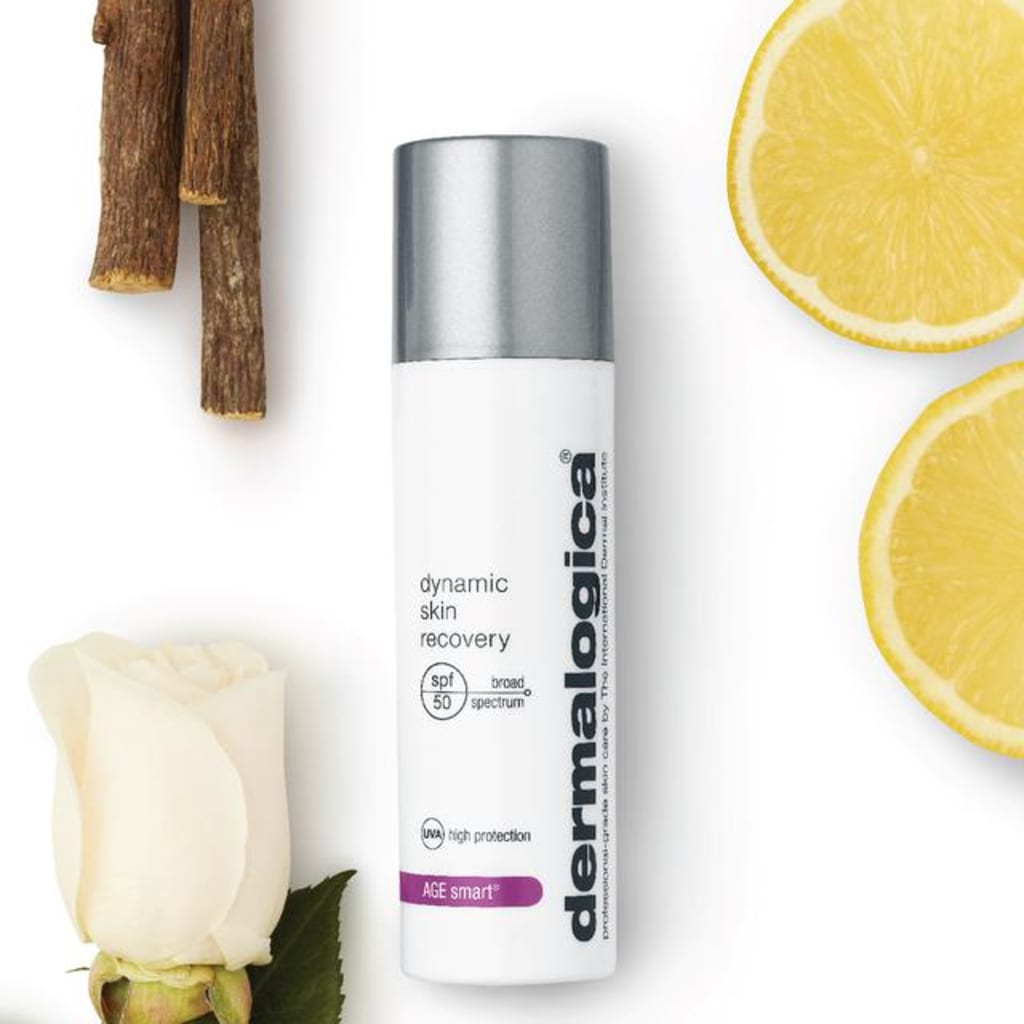
You might wonder if you need sunscreen at all, if you are staying indoors all day. The answer is a resounding yes. The UVA rays of the sun enter your home through your doors and windows, and can potentially accelerate skin aging or worse, increase your risk of contracting skin cancer. However, to ensure that your skin doesn’t shine or become oily, you need to choose sunscreen that is best suited to your skin type.
How to tell if your skin is the oily skin type?
Everyone’s skin needs natural oils to stay supple and moisturized. However, do watch out if you are experiencing consistently shiny or greasy skin. If you don’t take this seriously, it might lead to clogged pores that could eventually lead to pimples, blackheads, or other forms of breakout. Look for telltale signs of oily skin such as visibly enlarged pores on your chin, nose, and forehead. When you observe, pay close attention to your T-zone.
If you have oily skin, you should choose a non-oily and non-comedogenic sunscreen. For oily skin, clogged pores, if overlooked, can lead to skin breakouts and even acne over a period of time. A non-comedogenic product contains ingredients that won't clog or block the pores on your skin and is ideal for oily skin. If your sunscreen has moisturizing properties, that would be even better, as the less you put on oily skin the better it is.
Infact, you might be wondering if you should apply sunscreen at all, as you are likely to believe that it makes your skin look greasier than it is. Nothing could be further from the truth. Sunburns can potentially dry out your skin surface oils, making your sebaceous glands secrete even more oily sebum. So, sunscreen is recommended for even oily skin.
What is SPF?
SPF stands for Sun Protection Factor and determines how much UVB ray protection a product associated with it offers. SPF 15 blocks about 93 percent of UVB rays, while SPF 30 blocks about 97 percent of UVB rays.
While UVA rays of the sun can cause premature aging with age-spots and wrinkles, UVB rays can lead to sunburn. A broad-spectrum sunscreen protects the skin against both UVA and UVB rays of the sun. Opt for a sunscreen for oily skin like the broad spectrum Oil-Free Matte SPF30. The lightweight, ultra-sheer formula contains an advanced blend of Zinc Gluconate, Caffeine, Niacinamide, Biotin, and Yeast Extract and helps create a non-powdery matte finish that lasts all day.
The texture of the sunscreen
When choosing a sunscreen for oily skin, not only should you consider the SPF range of the product but also the texture. For oily skin, you should opt for gel-based or aqua-based, or powder forms of sunscreen. They will not lend your face a greasy look unlike sunscreens based that are creamier in their consistency.
How to apply sunscreen?
Apply a generous amount of the product on your face, preferably 15 to 30 minutes prior to exposure to direct sun rays, and reapply as needed if it wears off during a swim or a workout at the gym.
Alternatively, use a broad-spectrum sunscreen like the Dermalogica Solar Defense Booster SPF 50. The best part about this product is that it is suitable for all skin types - oily, dry, or combination. It can be blended with your moisturizer or your foundation in equal parts and applied to the skin. Its non-chalky formula with Green Tea and Grape Seed extracts forms an invisible shield against skin-damaging environmental aggressors. Further, the ingredient Vitamin C provides added defense against skin-aging free radicals with its antioxidant properties.
Apply a generous amount of the product on your face, preferably 30 minutes prior to exposure to direct sun rays, and reapply as you see fit.
About the Creator
Dermalogica India
We create highly customized regimens and services for every individual, because we know that no two skin conditions are the same. Our products work best when they are recommended by a professional skin therapist for your unique skin.
Keep reading
More stories from Dermalogica India and writers in Blush and other communities.
The Story of Tyler and Charlie
JOHN BROWN V. HITLER In a world often divided by prejudice and misunderstanding, the meeting of two seemingly opposing figures, Tyler and Charlie, became a pivotal moment in their lives. Tyler, known for his compassionate heart, found himself in a position that challenged his beliefs and values. Charlie, who had lived a life filled with controversy and conflict, represented a past that many wished to forget. Yet, in this extraordinary encounter, Tyler saw an opportunity for redemption and forgiveness that could transcend their differences.
By Organic Products 5 days ago in Blush


Comments
There are no comments for this story
Be the first to respond and start the conversation.