
How psychologists can assist children and teenagers who have emotional problems?
Psychologists can assist children

Introduction
Adolescence and childhood are developing years with immense physical, social, and brain transformation. Even though these are development years, they also bring with them challenges such as school pressures, social issues, family problems, bullying, and identity seeking. In some teens, such challenges lead to emotional issues such as anxiety, depression, anger, low self-esteem, or behavioral problems.
If left unaddressed, such difficulties can interfere with a child's school functioning, peer and family relationships, and overall health. Psychologists play a critical role in supporting children and adolescents with such difficulties by offering evidence-based interventions and compassionate support to build resilience and optimal development.
Knowledge of Emotional Challenges in Children and Adolescents
Emotional problems in adolescents and children can arise in many forms, such as:
Anxiety disorders: Excessive worry, separation anxiety, social anxiety, or phobias.
Depression: Persistent sadness, irritability, or lack of interest in play and school.
Difficulty in behavior: Defiance, aggression, or rule-breaking.
Difficulty with attention and concentration: Symptoms of ADHD that are affecting schoolwork.
Effects of bullying: Emotional abuse as a victim of bullying or as a bully.
Identity and self-esteem challenges: Challenge with body image, self-esteem, or peer acceptance.
Family stress: Parent conflict, divorce, or neglect.
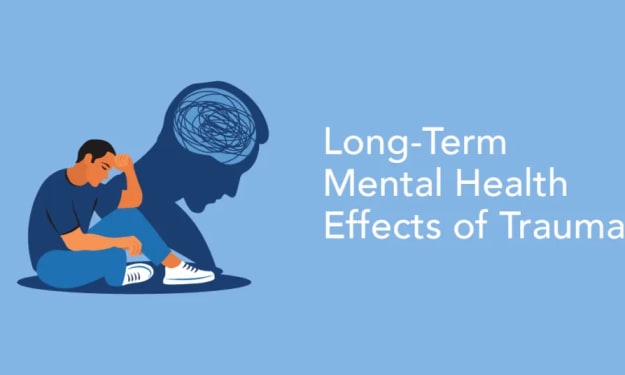
Trauma: Abuse, accidents, or violence exposure.
Teenagers, in particular, have added social media pressure, peer pressure, and the need for independence, and all of this can intensify emotional issues.
Work of Psychologists in Counseling Young People
Psychologists bring expert knowledge and skill to counseling children and adolescents to overcome their problems and become resilient. They become involved in assessment, therapy, skill building, and collaboration with families, educators, and schools.
1. Holistic Assessment
Psychologists first identify the child's cognitive, behavioral, and emotional functioning via interviews, observation, and standardized testing. This determines what are probably the root causes of issues and guides intervention development.
2. Building a Secure and Trusting Environment
Teenagers usually find it difficult to talk freely about their emotions. Psychologists build rapport via communication tailored to the age, play therapy, and empathic listening, creating an atmosphere where young clients are heard and understood.
3. Psychoeducation
Explanations of behavior and feelings in terms that children can understand help children recognize what they are experiencing. Psychoeducation also provides parents and teachers with knowledge about emotional development and mental health.
4. Cognitive Behavioral Therapy (CBT)
CBT is widely used with children and adolescents. Psychologists help them identify unhelpful beliefs ("No one likes me," "I will fail anyway") and reframe them into constructive perspectives. CBT also includes behavioral methods to reduce anxiety, improve mood, and build resilience.
5. Play Therapy and Creative Techniques
Younger children will struggle to verbalize feelings. Play therapy, drawing, art, and storytelling allow them to express feelings symbolically. These tools are employed by psychologists to help children work with feelings in a natural and safe way.
6. Social Skills Training
The majority of children with emotional problems struggle to function in peer relationships. Psychologists provide empathy training, conflict resolution, communication, and assertiveness training to improve social interaction and build self-confidence.
7. Parent Counseling and Family Therapy
Family dynamics strongly influence a child's emotional well-being. Psychologists assist parents in improving family communication, parent-child relationships, and home routines. Family therapy resolves conflicts and renders home life more pleasant.
8. School Involvement
Since children are at school all day, teachers and psychologists collaborate on getting the emotional needs of the child met and provided for. This can involve classroom interventions, behavior plans, or academic accommodations.
9. Mindfulness and Emotion Regulation Skills
Psychologists teach children to learn mindfulness skills, relaxation skills, and grounding skills so that they are better able to handle stress, anger, or sadness. These skills are permanent emotion regulation skills.
10. Building Resilience and Self-Esteem
Psychologists emphasize strengths, achievements, and positive qualities. Facilitating self-expression, problem-solving, and goal-setting augments children and adolescents' sense of agency and confidence in their abilities.
Benefits of Psychological Guidance for Adolescents
Timely support helps children and adolescents, leading to the following enhancements:
Better stress and emotion regulation skills.
Reduced depression, anxiety, and behavioral problems.
Improved self-esteem and confidence.
Improved peer, parent, and teacher relationships.
Better academic achievement and concentration.
Greater ability to adapt to the stresses of life.
Better foundation for long-term mental well-being.
When Parents Ought to Seek Psychological Help?
Parents ought to seek psychological help for their child if they notice:
Persistent unhappiness, irritability, or withdrawal.
Sudden deterioration in school performance.
Excessive worry, fear, or clinginess.
Aggression, defiance, or risky behavior.
Sleep disturbances or appetite changes.
Loss of interest in activities once enjoyed.
Difficulty making friends or maintaining family relationships.
Traumatic events that result in lingering distress.
Early intervention prevents issues from being exacerbated and provides children with coping strategies for the future.
Conclusion
Teenagers cannot always articulate their inner turmoil, but their behavior, mood, and interactions usually signal distress. Psychologists provide critical guidance and counseling to help young people overcome adversity, understand their emotions, and build resilience. Psychologists use such techniques as CBT, play therapy, family involvement, and school-based interventions to create comprehensive networks of support that empower children and adolescents to thrive.
By addressing problems at an early stage, psychologists not only resolve short-term issues but also lay the groundwork for long-term emotional well-being. All children deserve the chance to grow in an environment where mental health is nurtured, emotions are recognized, and potential is encouraged.
For professional psychological intervention of children and adolescents, visit: https://www.delhimindclinic.com/
About the Creator
Keep reading
More stories from Naveen Garg and writers in Blush and other communities.
How do psychologists assist individuals experiencing trauma and post-traumatic stress disorder (PTSD)?
Understanding Trauma and PTSD Trauma occurs when an individual experiences or witnesses a highly distressing event, such as an accident, natural disaster, assault, abuse, or combat. While most people are upset following these events, some others persist in reliving the event in the form of flashbacks, nightmares, or intrusive thoughts even after the immediate danger has passed. It then becomes Post-Traumatic Stress Disorder (PTSD), which is a serious mental disorder that interferes with daily life, relationships, and overall well-being.
By Naveen Garg4 months ago in Blush
Aloe Vera in Skin Care
In recent years, the beauty industry has embraced aloe vera, infusing it into an array of skin care products ranging from moisturizers, serums, and masks to soothing gels and ointments. This versatile plant offers a variety of benefits for all skin types.
By Good health to everyoneabout 11 hours ago in Blush
Wild Card Weekend Recap: What Happens Now?
I think I figured out why I love Wild Card Weekend so much. It's because it's the first playoff anything of the calendar year. The NFL season starts in the fall, and once upon a time, the champion was crowned either on or slightly before New Year's. The evolution of the NFL schedule has resulted in the playoffs starting just into the New Year, and currently, the final week of the season falls on the first weekend of the New Year, with Wild Card Weekend coming a week after that. So yes, chronologically, the NFL's Wild Card Weekend serves as the first playoff anything of the calendar year.
By Clyde E. Dawkins6 days ago in Unbalanced



Comments
There are no comments for this story
Be the first to respond and start the conversation.