
How do psychologists assist individuals experiencing trauma and post-traumatic stress disorder (PTSD)?
Psychologists assist individuals
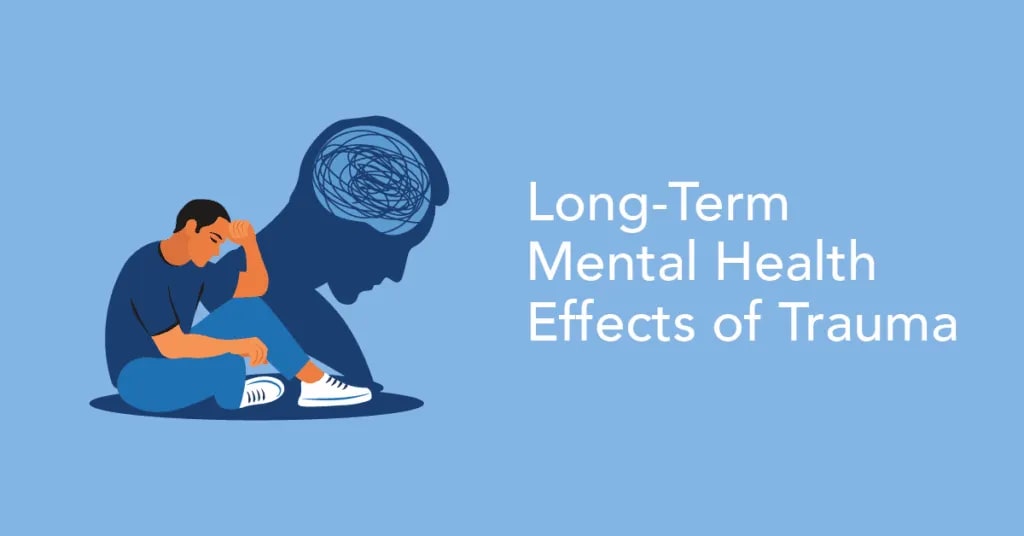
Understanding Trauma and PTSD
Trauma occurs when an individual experiences or witnesses a highly distressing event, such as an accident, natural disaster, assault, abuse, or combat. While most people are upset following these events, some others persist in reliving the event in the form of flashbacks, nightmares, or intrusive thoughts even after the immediate danger has passed. It then becomes Post-Traumatic Stress Disorder (PTSD), which is a serious mental disorder that interferes with daily life, relationships, and overall well-being.
PTSD symptoms commonly include:
Re-experiencing symptoms: nightmares, flashbacks, intrusive thoughts.
Avoidance behaviors: evasion of people, places, or reminders of the trauma.
Negative alterations in mood and cognition: guilt, fear, detachment, hopelessness.
Hyperarousal: irritability, exaggerated startle response, difficulty sleeping.
Not all traumatized individuals develop PTSD, but for those who do, the condition can be overwhelming. This is where psychologists enter the picture, performing their invaluable function by offering professional therapies that help individuals process their trauma, regain control, and move forward with resilience.
The Role of Psychologists in Trauma Treatment
Psychologists are trained to assess, diagnose, and treat disorders related to trauma. They work according to evidence-based practices that provide safe, organized, and compassionate aid. The main ways psychologists help are as follows:
1. Creating a Safe Therapeutic Environment
Trauma typically undermines an individual's sense of trust and safety. Psychologists create a safe, non-judgmental environment where clients can recount their experiences in their own time. Building trust is the cornerstone of successful trauma therapy.
2. Assessment and Psychoeducation
Psychologists begin with a thorough assessment to establish the intensity and nature of symptoms. They also provide psychoeducation, explaining how trauma affects the brain and body. This enables clients to understand that their reactions are normal responses to extraordinary circumstances.
3. Trauma-Focused Cognitive Behavioral Therapy (TF-CBT)
One of the most effective treatments for PTSD, TF-CBT helps individuals identify and challenge distorted beliefs related to the trauma (“I’m weak,” “The world is unsafe”). Psychologists guide clients in reframing these thoughts and reducing their emotional intensity.
4. Exposure Therapy
Avoidance is a common symptom of PTSD but prevents healing. Exposure therapy involves psychologists gradually and gently exposing individuals to reminders of their trauma in a secure environment. This reduces fear and avoidance in the long run.
5. Eye Movement Desensitization and Reprocessing (EMDR)
EMDR is a well-known treatment for PTSD. It consists of recalling traumatic memories while simultaneously undertaking bilateral stimulation, like guided eye movements. The aim is to help the brain reprocess memories so that they are less emotionally charged.
6. Somatic and Body-Based Approaches
Since trauma is not just kept in the mind but also in the body, psychologists may involve relaxation skills, grounding skills, and breathing skills. These skills reduce hyperarousal and reconnect the client to sensations of calmness.
7. Emotion Regulation and Coping Skills
Psychologists teach skills for managing overwhelming emotions, such as mindfulness, grounding, and stress-reduction skills. These allow clients to manage flashbacks, anxiety, and intrusive memories on a daily basis.
8. Interpersonal Therapy (IPT)
Trauma can destroy relationships, leading to isolation and mistrust. Psychologists aid clients in improving communication, trusting again, and reconnecting with nurturing people, making recovery more resilient.
9. Narrative Therapy
By telling their story in a controlled and secure environment, the person is helped to integrate traumatic memories into a broader life story. The psychologists help them move from being defined by the trauma to regaining identity and agency.
10. Building Resilience and Post-Traumatic Growth
Apart from relief from symptoms, psychologists aid individuals in discovering meaning and growth after trauma. Some people emerge from recovery with heightened self-awareness, empathy, and strength — a phenomenon known as post-traumatic growth.
Benefits of Psychological Therapy for PTSD
Psychological treatment has the following benefits:
Symptom reduction: Reduction in flashbacks, nightmares, and hyperarousal.
Emotional stability: Better control over fear, anger, and sadness.
Daily functioning restored: Improvement in the capacity to work, study, and socialize.
Reconnection: Improved trust and intimacy in relationships.
Empowerment: A sense of control over one's life and fate.
Hope and resilience: An expectation that healing and growth are possible.
When to Seek Help
Professional psychological assistance should be sought if trauma symptoms:
Persist for more than a month.
Severely impact daily life, work, or relationships.
Lead to avoidance of many activities or places.
Trigger feelings of detachment, despair, or guilt.
Include thoughts of harming oneself or suicide.
Early intervention dissuades PTSD from becoming chronic and improves the chances of recovery.
Conclusion
Trauma and PTSD can leave an indelible mark on one's mind, body, and soul, causing individuals to remain trapped in the past. However, psychologists offer evidence-based treatments and supportive therapy to guide individuals through painful memories, reduce symptoms, and reconstruct their lives. Through treatments like CBT, EMDR, exposure therapy, and mindfulness, psychologists help individuals reclaim safety, restore emotional equilibrium, and discover resilience.
Recovery from trauma is not about forgetting the past, but about learning to live beyond it — with more strength, hope, and purpose. With appropriate psychological intervention, healing is always a possibility.
For professional psychological services and trauma counseling, visit: https://www.delhimindclinic.com/
About the Creator
Keep reading
More stories from Naveen Garg and writers in Blush and other communities.
How do psychologists help individuals with depression regain motivation and emotional balance?
Depression is one of the most prevalent mental health conditions, affecting people across all age groups and backgrounds. Unlike temporary sadness, depression involves a persistent state of low mood, hopelessness, and disinterest in activities that were once enjoyable. One of the main difficulties individuals have with depression is that they lose motivation and have difficulty with emotional control, which can interfere with daily functioning, interpersonal relationships, and job performance. Psychologists play a vital role in helping individuals navigate recovery, using evidence-based strategies to re-establish motivation, regulate emotions, and build a purposeful, fulfilling life.
By Naveen Garg4 months ago in Blush
The Story of Tyler and Charlie
JOHN BROWN V. HITLER In a world often divided by prejudice and misunderstanding, the meeting of two seemingly opposing figures, Tyler and Charlie, became a pivotal moment in their lives. Tyler, known for his compassionate heart, found himself in a position that challenged his beliefs and values. Charlie, who had lived a life filled with controversy and conflict, represented a past that many wished to forget. Yet, in this extraordinary encounter, Tyler saw an opportunity for redemption and forgiveness that could transcend their differences.
By Organic Products 4 days ago in Blush



Comments
There are no comments for this story
Be the first to respond and start the conversation.