
Hair Fall and Its Treatment: A Comprehensive Guide
Understanding the Causes, Effective Remedies, and Medical Treatments for Healthier Hair


Hair fall is a common concern affecting millions of people worldwide, regardless of age or gender. While shedding 50 to 100 hairs per day is considered normal, excessive hair loss can be distressing and may indicate an underlying problem. Understanding the causes, recognizing the symptoms early, and exploring available treatments can help manage and often reverse hair loss.
Understanding Hair Fall
Hair fall, also known as alopecia, can occur due to various reasons. Hair growth follows a natural cycle of growing (anagen), resting (telogen), and shedding (catagen). When this cycle is disrupted or hair follicles are damaged, hair may fall out more rapidly than it can regrow.
Common Causes of Hair Fall
Genetics (Androgenetic Alopecia)
Also known as male or female pattern baldness, this is the most common cause of hair loss. It is hereditary and progresses gradually.
Hormonal Imbalances
Conditions like thyroid disorders, PCOS (polycystic ovary syndrome), menopause, and pregnancy can cause hormonal shifts that lead to hair fall.
Nutritional Deficiencies
Lack of essential nutrients such as iron, zinc, biotin, and protein can weaken hair roots, causing hair to shed excessively.
Stress and Lifestyle
Physical or emotional stress, lack of sleep, and poor diet contribute to hair loss. Stress-induced hair fall (telogen effluvium) typically occurs a few months after a stressful event.
Medical Conditions and Medications
Autoimmune diseases (like alopecia areata), chemotherapy, certain antidepressants, and blood pressure medications can lead to hair loss.
Scalp Infections
Fungal infections, dandruff, or psoriasis can damage hair follicles and cause localized or widespread hair fall.
Hair Styling and Treatments
Overuse of hair dyes, bleach, straightening, tight hairstyles, and heat styling tools can weaken hair shafts and lead to breakage.
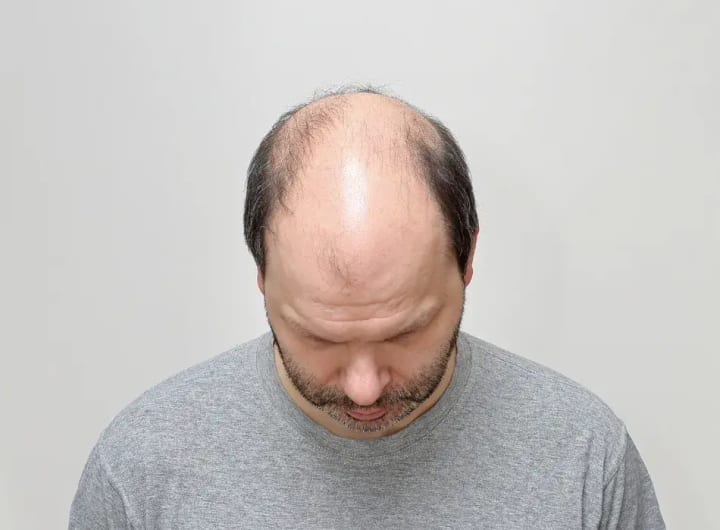
Types of Hair Loss
Androgenetic Alopecia – Gradual thinning at the crown or receding hairline.
Telogen Effluvium – Sudden, temporary hair shedding due to stress or shock.
Alopecia Areata – Patchy hair loss due to autoimmune attack on follicles.
Traction Alopecia – Hair loss from prolonged tension (e.g., tight braids).
Cicatricial Alopecia – Permanent hair loss due to scarring diseases.
Diagnosis
A dermatologist or trichologist may perform:
Scalp examination
Hair pull test
Blood tests (to check for anemia, thyroid issues, vitamin deficiencies)
Scalp biopsy (in rare cases)
Accurate diagnosis is essential for effective treatment.
Hair Fall Treatment Options
Treatment varies depending on the cause and severity. Here are some common approaches:
1. Lifestyle and Dietary Changes
Eat a balanced diet rich in iron, protein, omega-3 fatty acids, zinc, and biotin.
Stay hydrated and get 7–8 hours of sleep.
Manage stress through yoga, meditation, or therapy.
Avoid smoking and limit alcohol intake.
2. Topical Treatments
Minoxidil (Rogaine): FDA-approved for both men and women, available over-the-counter in 2% and 5% formulations. Applied directly to the scalp, it improves blood flow and stimulates hair growth. Effects may be seen in 3–6 months.
3. Oral Medications
Finasteride (Propecia): A prescription drug for men that reduces DHT (dihydrotestosterone), a hormone responsible for shrinking hair follicles. Not suitable for women of childbearing age.
Spironolactone: Often used for women with hormonal hair loss, especially related to PCOS.
Biotin Supplements: Popular for strengthening hair and nails, though benefits are most apparent in individuals with deficiencies.
4. Hair Growth Shampoos and Serums
Shampoos containing ingredients like caffeine, ketoconazole, saw palmetto, or peptides may support hair health. However, these are more preventive than curative.
5. Platelet-Rich Plasma (PRP) Therapy
PRP involves drawing your blood, processing it to extract platelets, and injecting it into the scalp. Platelets release growth factors that stimulate hair follicles. Usually done in 3–4 sessions over several months.
6. Low-Level Laser Therapy (LLLT)
This non-invasive treatment uses red light to stimulate hair follicles and improve hair density. Results vary, but it can be effective for mild to moderate hair thinning.
7. Hair Transplant Surgery
In advanced cases of baldness, hair transplant is a permanent solution. Hair follicles are removed from one part of the body and implanted in thinning or bald areas.
Medications Commonly Recommended for Hair Fall
Several medications can help manage hair loss, depending on its cause:
Minoxidil (Topical): FDA-approved for both men and women; stimulates hair growth with daily use.
Finasteride (Oral): Prescribed for men; reduces DHT levels but may cause sexual side effects.
Spironolactone (Oral): Used for women with hormonal hair loss; not recommended during pregnancy.
Biotin & Multivitamins: Support healthy hair, especially when deficiencies are present.
Ketoconazole Shampoo: Antifungal; helps reduce scalp inflammation and supports hair health.
Dutasteride (Oral): Similar to Finasteride; used off-label for hair loss.
Natural and Home Remedies
While scientific evidence is limited, some people find the following remedies beneficial:
Aloe Vera: Soothes the scalp and may reduce dandruff.
Coconut Oil: Strengthens hair shaft and reduces breakage.
Onion Juice: Contains sulfur; shown in small studies to support hair regrowth.
Green Tea Rinse: Antioxidants may promote healthy follicles.
When to See a Doctor
See a dermatologist if:
Hair fall is sudden or in patches
There’s itching, redness, or pain on the scalp
You experience other symptoms like fatigue or weight changes
Hair loss affects your confidence or mental well-being
Conclusion
Hair fall can be emotionally challenging, but with the right approach, it is often manageable or even reversible. Identifying the underlying cause is key to effective treatment. Whether through lifestyle changes, medications, or advanced therapies, many options are available to restore your hair health and confidence.
Early intervention often leads to better outcomes, so don’t hesitate to seek professional help if you're concerned about hair loss.
About the Creator
JAWAD HUSSAIN
Hi, I’m jawad hussain a writer sharing stories, ideas, and personal thoughts on life, creativity, and growth. I write to inspire, inform, and connect. Thanks for reading and supporting my journey here on Vocal !
Keep reading
More stories from JAWAD HUSSAIN and writers in Blush and other communities.
The Great Wall of China: A Monument of Strength and Endurance
The Great Wall of China stands as one of the most iconic structures in the world, a testament to the ingenuity, perseverance, and vision of ancient Chinese civilizations. Stretching over 13,000 miles across northern China, it is the longest wall ever built and has become a symbol of Chinese strength and resilience. Its history spans more than two millennia and reflects the dynamic political and military history of ancient China.
By JAWAD HUSSAIN8 months ago in History


Comments
There are no comments for this story
Be the first to respond and start the conversation.