
FOMO vs JOMO: How social media is rewiring our brains and impacting our attention spans
All about social media

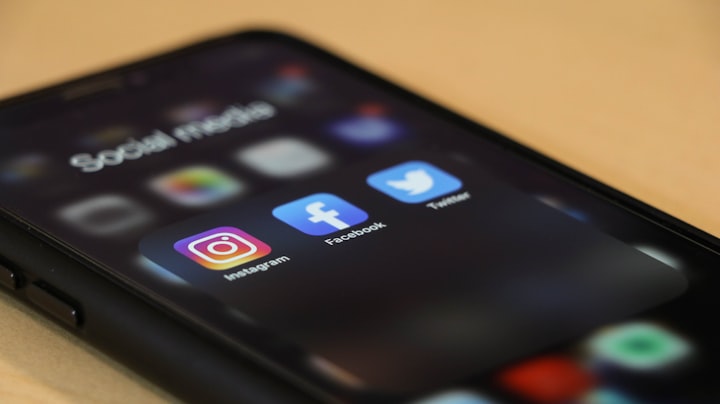
In a world where social media is an integral part of our daily lives, it's no surprise that it has an impact on our behavior and subsequently, our brains. The fear of missing out, or FOMO, has become a common phenomenon, as individuals feel the pressure to constantly stay connected and up-to-date on the latest happenings. However, a new trend is emerging - the joy of missing out, or JOMO. As people begin to recognize the negative impact that social media can have on their attention spans and mental health, they are turning to strategies to disconnect and find inner peace. In this post, we will explore how social media is rewiring our brains and compare the effects of FOMO vs JOMO. We will also discuss tips for how to minimize the negative impact of social media and cultivate more positive habits. So, whether you're a social media addict or someone looking to disconnect, keep reading to learn more about this fascinating topic.
1. What is FOMO and JOMO?
FOMO and JOMO are two acronyms that have been gaining popularity in recent years. FOMO stands for "fear of missing out", while JOMO stands for "joy of missing out". These two acronyms represent opposing emotions that individuals experience when interacting with social media and technology in general.
FOMO is the feeling of anxiety or fear that one might miss out on something important or exciting happening on social media or in real life. It is fueled by the constant need to check social media platforms to stay up-to-date with the latest news, events, and trends. People with FOMO often experience a sense of restlessness and dissatisfaction with their lives, as they compare their own experiences to the seemingly perfect lives of others on social media.
On the other hand, JOMO is the feeling of contentment and relief that one experiences when they disconnect from social media and other digital distractions. It is about finding joy in missing out on the noise and chaos that often come with being constantly connected. People with JOMO prioritize their mental health and well-being above the need to stay constantly connected and in-the-know.
Understanding the differences between FOMO and JOMO is crucial in navigating the impact that social media has on our attention spans and overall well-being. By recognizing the negative effects of FOMO, we can take steps to limit our social media use and find moments of joy in disconnecting from the online world. Conversely, by embracing JOMO, we can cultivate a healthier relationship with technology and prioritize our mental health and happiness over the constant need for stimulation and information.
2. The impact of social media on our brains
Social media has become an integral part of our lives. We use it to keep in touch with friends and family, share our experiences, and stay up-to-date with the latest news and trends. However, the impact of social media on our brains is a topic of much debate.
Studies have shown that social media has a significant effect on our attention spans. It is designed to be addictive, with endless scrolling and notifications that keep us glued to our screens. As a result, we are easily distracted and find it difficult to focus on one task for an extended period.
The constant bombardment of information and notifications also triggers the fear of missing out (FOMO) in many individuals. This is the feeling of anxiety or insecurity that arises when we see others having fun or achieving success without us. FOMO can lead to an obsession with social media, as we constantly check our feeds to ensure we are not missing out on anything.
On the other hand, some individuals experience the joy of missing out (JOMO) when they disconnect from social media. This is the feeling of relief and contentment that arises when we disconnect from social media and enjoy the present moment without distractions.
Overall, social media has rewired our brains and impacted our attention spans. While it has its benefits, it is essential to be mindful of our social media use and take breaks when necessary to avoid the negative effects on our mental health and well-being.
3. How social media fuels FOMO
Social media has given birth to a new phenomenon: FOMO, the Fear Of Missing Out. FOMO is a feeling of anxiety or insecurity caused by the belief that others are having fun or experiencing something that you are not.
Social media platforms are designed to keep us hooked and scrolling, always on the lookout for the next big thing. They create an illusion of perfection and a never-ending stream of exciting activities, leaving us feeling like we are missing out on something amazing.
The constant barrage of updates, likes, and comments creates a sense of urgency and a fear of being left behind. We feel compelled to check our social media accounts constantly, just in case we miss out on something important.
This constant need to check social media and stay connected can be detrimental to our mental health and well-being. It can lead to feelings of anxiety, depression, and low self-esteem. It can also impact our attention spans, making it difficult to focus on tasks and complete them efficiently.
It's important to be mindful of our social media use and to take breaks when necessary. We should remember that social media is just a highlight reel of people's lives and not an accurate representation of reality. By taking a step back and focusing on our own lives, we can embrace JOMO, the Joy Of Missing Out, and live in the moment without the constant need to compare ourselves to others.
4. The negative effects of FOMO on our mental health
FOMO, or Fear of Missing Out, is a term that is becoming increasingly relevant in today's society, as social media continues to dominate our lives. FOMO affects everyone, from teenagers to adults, and it can have a serious impact on our mental health.
When we constantly check our phones and social media accounts to see what our friends and family are doing, we are essentially training our brains to seek out the next dopamine hit. This constant need for validation and attention can lead to anxiety, depression, and other mental health issues.
Furthermore, FOMO can also cause us to miss out on the present moment. We are so focused on what others are doing, that we forget to enjoy our own lives. This can lead to feelings of unhappiness and dissatisfaction.
It's important to recognize the negative effects of FOMO on our mental health and take steps to address them. This could be as simple as setting aside dedicated times to check social media, or even taking a break from it altogether. By focusing on the present moment and finding joy in our own lives, we can combat the negative effects of FOMO and improve our mental health.
5. Why we need JOMO in our lives
In a world where we're constantly connected and bombarded with information from social media, it's easy to get caught up in the fear of missing out (FOMO). We're constantly checking our phones for notifications, scrolling through Instagram, and comparing our lives to the curated highlight reels of others. This constant stimulation can lead to anxiety, stress, and ultimately burnout.
That's where the concept of JOMO comes in - the joy of missing out. It's about intentionally disconnecting from social media and other distractions to focus on being present in the moment and enjoying the simple pleasures in life. This could be anything from reading a book, going for a walk in nature, or spending quality time with loved ones.
Research has shown that practicing JOMO can have a positive impact on our mental health and well-being. It allows us to recharge and reset our brains, reducing stress and anxiety. By disconnecting from social media, we can also break free from the comparison trap and focus on our own lives and goals.
So, how can we incorporate JOMO into our lives? It starts with setting boundaries and intentionally disconnecting from social media and other distractions. This could mean taking a break from social media for a day or limiting your screen time in the evenings. It's also important to prioritize self-care and make time for the things that bring us joy and fulfillment.
In a world where FOMO seems to be the norm, practicing JOMO can be a powerful way to take control of our attention spans and prioritize our mental health and well-being.
6. How to embrace JOMO and reduce FOMO
In a world where social media has become a ubiquitous part of our lives, it's easy to feel like we're missing out on something if we're not constantly connected to our devices. But this constant need to check our phones and stay up-to-date on the latest news or trends can have a negative impact on our mental health and wellbeing.
That's where JOMO or the Joy of Missing Out comes in. JOMO is about embracing the idea of disconnecting from the digital world and enjoying the present moment. It's about taking a break from social media and allowing yourself to be fully present in the moment without any distractions.
Here are some practical ways to embrace JOMO and reduce FOMO:
1. Schedule breaks from social media - set aside specific times of the day or week to disconnect from your devices and focus on other activities.
2. Practice mindfulness - mindfulness is a great way to reduce stress and increase your sense of wellbeing. Try meditating or doing yoga to help you focus on the present moment.
3. Spend time in nature - spend time outside and enjoy the natural world around you. This can help reduce stress and improve your overall mood.
4. Connect with others offline - meet up with friends or family members in person, go for a walk or engage in a fun activity together. This can help you build deeper connections with others and create meaningful experiences.
By embracing JOMO, you can reduce the negative impact of social media on your mental health and wellbeing, and enjoy a more fulfilling and balanced life.
7. The benefits of disconnecting from social media
Disconnecting from social media can offer several benefits, including improving mental health and increasing productivity. In today's fast-paced world, it's easy to feel overwhelmed and stressed out, especially when trying to keep up with the constant updates and notifications from social media platforms.
By disconnecting from social media, you can take a break from the noise and distraction and focus on your personal well-being. Studies have shown that excessive social media use can lead to feelings of anxiety, depression, and loneliness. Taking a break from social media and spending more time with loved ones, reading a book, or engaging in physical activity can have a positive impact on mental health.
Disconnecting from social media can also increase productivity. Social media platforms are designed to be addictive, with features such as endless scrolling and notifications that keep us hooked. However, this constant distraction can hinder our ability to focus and complete tasks. Taking a break from social media can help us regain focus and concentration, leading to increased productivity and efficiency.
Finally, disconnecting from social media can help us reconnect with the present moment. Social media can be a source of FOMO (fear of missing out), making us feel like we always need to be connected and up to date with the latest news and trends. However, this constant need for stimulation can prevent us from fully experiencing and enjoying the present moment. Disconnecting from social media can help us appreciate the world around us and be more present in our daily lives.
8. Mindfulness practices to reduce FOMO and embrace JOMO
In today's digital era, we're being bombarded with information, notifications, and updates around the clock. It's easy to feel overwhelmed and anxious about missing out on something important. This is the essence of FOMO (Fear of Missing Out) – the feeling that we must always be connected and up-to-date, or else we'll be left behind.
However, this constant need for connection can lead to stress, anxiety, and an inability to concentrate on the present moment. This is where JOMO (Joy of Missing Out) comes in. JOMO is about embracing the power of disconnecting, stepping back from social media, and re-engaging with the real world.
Mindfulness practices are a great way to reduce FOMO and embrace JOMO. Mindfulness is the practice of being present in the moment, without judgment or distraction. It's about focusing on the here and now, and letting go of worries about the past or future.
Meditation is one of the most effective mindfulness practices, and it can help you improve your attention span and reduce stress levels. You can start with just a few minutes of meditation each day and gradually increase the time as you become more comfortable with the practice.
Another way to embrace JOMO is to set boundaries around your social media use. For example, you could decide to check your phone only at certain times of the day, or limit your social media use to a specific amount of time each day.
By cultivating mindfulness, setting boundaries, and embracing JOMO, you can rewire your brain to focus on the present moment and reduce the impact of social media on your attention span.
9. The importance of setting boundaries with social media use
Have you ever found yourself scrolling through social media for hours on end, only to realize that you've wasted your entire afternoon? Or maybe you've found yourself constantly checking your phone for notifications, even when you're in the middle of an important task?
Social media can be a major distraction, and it can be all too easy to get sucked into a never-ending cycle of notifications and updates. That's why it's so important to set boundaries with your social media use.
One way to do this is by setting designated times for checking your social media accounts. For example, you might decide to check your accounts once in the morning and once in the evening, but not during the workday.
Another way to set boundaries is by turning off notifications. By doing this, you'll be less likely to get distracted by every little update that comes through on your phone.
It's also important to remember that social media is just one small part of our lives. While it can be fun to stay connected with friends and family online, it's important to make time for real-life interactions and experiences as well.
By setting boundaries with your social media use, you'll be able to focus more on the things that really matter, whether that's work, hobbies, or spending time with loved ones. So go ahead and take a break from social media - your brain (and your attention span) will thank you for it!
10. How to find balance in the digital age
Finding balance in the digital age is crucial for our mental and emotional well-being. As technology continues to advance, it's important to establish healthy boundaries and habits to avoid the negative effects of too much screen time.
One way to find balance is to set limits on social media usage. Try designating specific times of the day to check your social media accounts rather than constantly scrolling through them. You can also use tools such as screen time tracking or app limit settings to help you stay within your predetermined limits.
Another way to find balance is to make time for activities that don't involve technology. This can include reading a book, going for a walk, or spending time with loved ones. It's important to prioritize these activities and make them a regular part of your routine.
Finally, practice mindfulness and self-awareness. Be intentional about how you use technology and pay attention to how it makes you feel. If you notice that social media is causing you stress or anxiety, take a break and do something that makes you feel calm and centered. By being mindful of our technology usage, we can find balance and maintain a healthy relationship with technology in the digital age.
We hope you enjoyed reading our article on FOMO vs JOMO and how social media is impacting our attention spans. It's important to be aware of the ways in which social media can affect our mental health and wellbeing, and we hope that this post has given you some insight into how to manage your social media usage. Remember to take breaks from social media and try to focus on the present moment. Let's all strive for a healthy balance between staying connected and taking care of our mental health.
About the Creator
Wilson Igbasi
Hi, I'm Wilson Igbasi — a passionate writer, researcher, and tech enthusiast. I love exploring topics at the intersection of technology, personal growth, and spirituality.
Keep reading
More stories from Wilson Igbasi and writers in Blush and other communities.
The New Artist:
In recent years, artificial intelligence (AI) has become an increasingly important topic of discussion in various industries. While many people associate AI with robotics and automation, it is also making a significant impact in the creative industries. From music and film to literature and visual arts, AI is changing the way artists create, collaborate, and innovate. With the ability to process massive amounts of data and learn from patterns, AI is capable of producing new and original works of art that were previously thought to be impossible. In this 2000 word analysis, we will explore the ways in which AI is transforming the creative industries, the challenges and opportunities that come with it, and the implications it has for the future of art and creativity. Get ready to dive into the exciting world of AI and discover how it is shaping the new artist.
By Wilson Igbasi3 years ago in Blush
The Story of Tyler and Charlie
JOHN BROWN V. HITLER In a world often divided by prejudice and misunderstanding, the meeting of two seemingly opposing figures, Tyler and Charlie, became a pivotal moment in their lives. Tyler, known for his compassionate heart, found himself in a position that challenged his beliefs and values. Charlie, who had lived a life filled with controversy and conflict, represented a past that many wished to forget. Yet, in this extraordinary encounter, Tyler saw an opportunity for redemption and forgiveness that could transcend their differences.
By Organic Products 5 days ago in Blush



Comments
There are no comments for this story
Be the first to respond and start the conversation.