
DIY Natural Deodorant: Effective & Chemical-Free
Discover how to create your own safe, eco-friendly deodorant that keeps you fresh all day

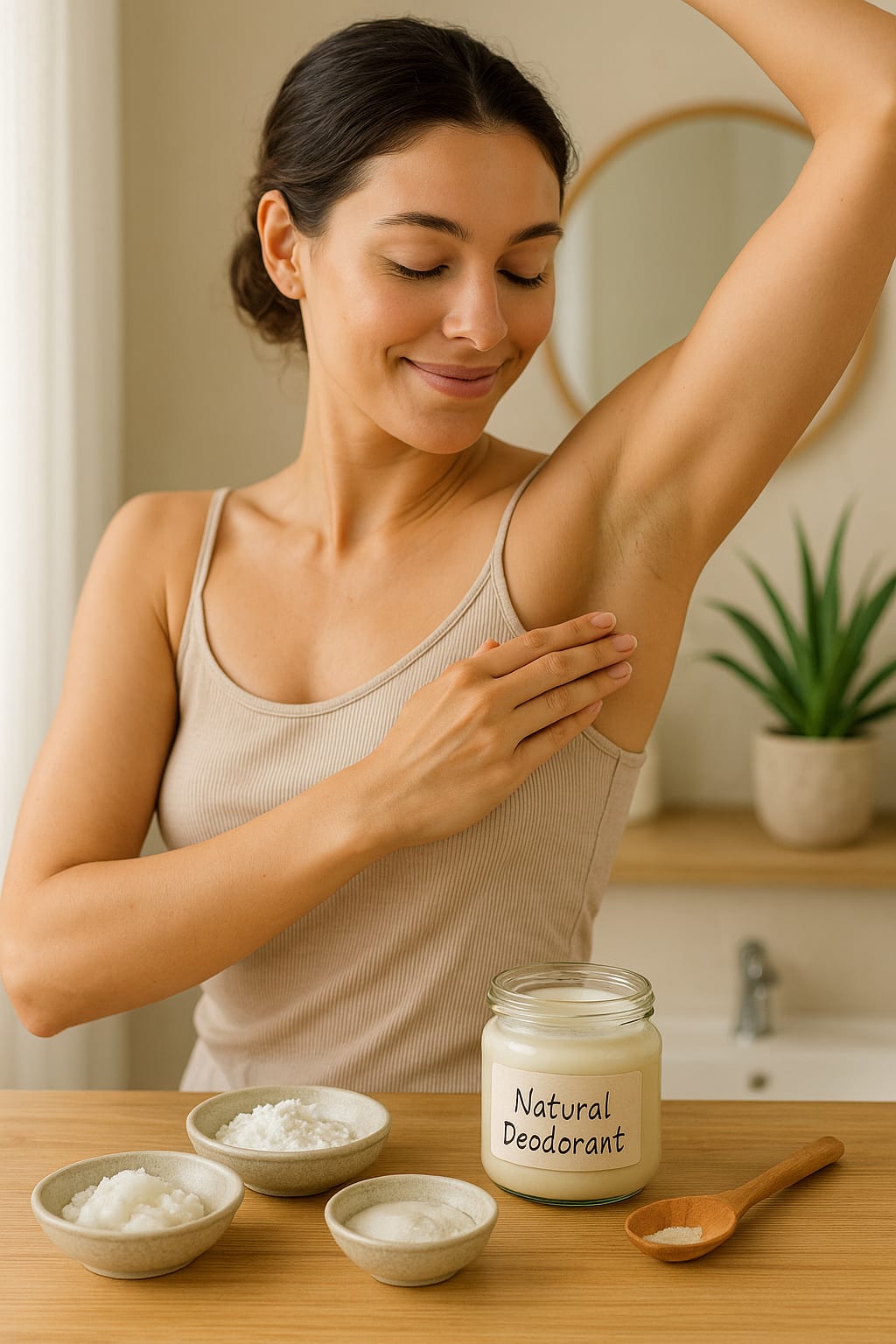
In today’s world of heightened awareness about health and sustainability, more people are turning away from store-bought chemical deodorants in favor of safer, natural alternatives. Conventional deodorants often contain potentially harmful ingredients like aluminum compounds, parabens, and synthetic fragrances. These substances may clog pores, irritate skin, or even disrupt hormone function. If you’ve ever wondered whether there’s a healthier, environmentally conscious way to stay fresh—there is. Making your own natural deodorant is surprisingly easy, affordable, and rewarding. In this article, you’ll learn why natural deodorants are better, what ingredients work best, and how to make your own at home for maximum freshness and minimal harm to your body and the planet
Why Choose a Natural Deodorant?
Unlike antiperspirants that block sweat glands with aluminum, natural deodorants work by neutralizing odor while allowing your body’s natural detoxification process to function. Sweating is essential—it helps cool your body and remove toxins. Preventing this process may lead to health concerns over time. On the other hand, chemical-free deodorants keep odor at bay while preserving your body’s natural rhythm. Moreover, most store-bought options contain artificial fragrances, which often include a blend of chemicals not disclosed on the label. These can trigger allergies, headaches, or skin issues. Natural alternatives use essential oils or herbal infusions, which not only smell great but also provide therapeutic benefits like antibacterial protection, calming properties, and skin nourishment
Benefits of DIY Natural Deodorant
When you create your own deodorant, you control every ingredient that goes into it. You can customize the scent, texture, and strength based on your skin type and lifestyle. It's also significantly cheaper than most natural deodorants on the market. Additionally, homemade deodorants reduce plastic packaging waste and eliminate the carbon footprint associated with shipping commercial products. That means you’re not only doing your skin a favor but also protecting the environment
Key Ingredients for a Natural Deodorant
The foundation of any good DIY deodorant starts with three basic ingredients:
1. Coconut Oil: Known for its antibacterial and antifungal properties, coconut oil helps fight odor-causing bacteria and keeps skin soft and moisturized.
2. Baking Soda or Arrowroot Powder: Baking soda is a powerful odor neutralizer. However, some people with sensitive skin may find it irritating, in which case arrowroot powder or cornstarch serves as a gentle alternative.
3. Shea Butter or Cocoa Butter: These natural moisturizers nourish the skin and add a creamy consistency to your deodorant.
4. Essential Oils: These add fragrance and additional antibacterial benefits. Tea tree oil, lavender, peppermint, eucalyptus, and lemon are all great choices. You can experiment to find the scent combination that best suits your personality and needs.
5. Beeswax (Optional): Adding beeswax can give your deodorant a firmer texture, especially useful in warm climates or for making stick deodorants
Basic DIY Natural Deodorant Recipe
Here’s a simple recipe that works well for most people. It’s free from aluminum, parabens, phthalates, and other harsh chemicals.
Ingredients
3 tablespoons coconut oil
3 tablespoons shea butter
3 tablespoons baking soda (or arrowroot powder for sensitive skin)
2 tablespoons arrowroot powder or cornstarch
15-20 drops of essential oils (lavender, tea tree, or your choice)
Optional: 1 tablespoon beeswax pellets for a firmer texture
Instructions
1. In a double boiler (or microwave-safe bowl), melt the coconut oil, shea butter, and beeswax if using
2. Remove from heat and stir in the baking soda and arrowroot powder until well combined
3. Add essential oils and stir again thoroughly
4. Pour into a small glass jar or old deodorant stick container
5. Let it cool at room temperature or refrigerate to speed up the hardening process
How to Use
Apply a small amount under each arm using your fingertips or a stick applicator. Allow it to absorb for a few minutes before dressing, especially if you're wearing tight or synthetic fabrics. The texture will soften slightly on contact with your skin, making it easy to spread
Tips for Transitioning to Natural Deodorant
If you’re switching from a conventional antiperspirant, your body may take a few days to adjust. During this transition period, you may sweat more or notice a stronger odor. This is normal and typically resolves within a week or two. To ease the process, you can do an armpit detox using a mixture of bentonite clay and apple cider vinegar to draw out residual toxins. Also, be sure to wear breathable fabrics like cotton during this phase to help your body regulate naturally
Customization Ideas
One of the joys of making your own deodorant is tailoring it to your preferences. Here are a few ideas to try:
For Sensitive Skin: Use arrowroot powder instead of baking soda and add soothing oils like chamomile or calendula
For a Masculine Scent: Blend cedarwood, sandalwood, and tea tree essential oils
For a Fresh Summer Feel: Try lemon, peppermint, and eucalyptus oil for a cooling effect
For a Creamier Formula: Increase the ratio of shea or cocoa butter
Storage and Shelf Life
Store your deodorant in a cool, dry place. If you're in a hot climate, consider keeping it in the fridge to maintain its consistency. Homemade deodorant typically lasts for 3 to 6 months, depending on the freshness of your ingredients. Always check for signs of spoilage, such as mold or a sour smell, before use
The Environmental Impact
By making your own natural deodorant, you’re not just avoiding toxic chemicals—you’re also minimizing waste. You can reuse containers, avoid single-use plastics, and reduce dependence on mass-produced products. Many DIYers even go a step further by using organic, locally sourced ingredients to further cut down on their ecological footprint
Conclusion
Switching to a DIY natural deodorant is a smart move for your body, your wallet, and the Earth. It’s empowering to know exactly what you’re putting on your skin and to create something effective with your own hands. Whether you're seeking a gentler solution for sensitive skin or trying to live more sustainably, this homemade option delivers freshness without compromise.
Note: This article was created with the assistance of AI (ChatGPT), then manually edited for originality, accuracy, and alignment with Vocal Media’s guidelines.
About the Creator
The Blush Diary
Blending romantic tales with beauty secrets—each story a soft whisper of love, each tip a gentle glow. Step into the enchanting world of The Blush Diary and don’t forget to subscribe for more! 🌹
Keep reading
More stories from The Blush Diary and writers in Blush and other communities.
Reef-Safe Sunscreens: Protect Your Skin & the Ocean
Sunscreen is essential for protecting our skin from the harmful effects of UV rays, preventing sunburn, premature aging, and even skin cancer. However, many conventional sunscreens contain ingredients that are damaging not just to our bodies but also to the environment—especially our oceans. As awareness grows, the shift toward reef-safe sunscreens has become a top priority for environmentally conscious consumers.
By The Blush Diary8 months ago in Blush
Choose the Right Lipstick Shade for Your Skin Undertone
Choosing the right lipstick shade can completely transform a makeup look. While many people pick colors based on trends or personal preference, the most flattering lipstick usually depends on one important factor: your skin undertone. Understanding your undertone helps you select shades that naturally enhance your complexion rather than clash with it.
By Stories Todaya day ago in Blush




Comments
There are no comments for this story
Be the first to respond and start the conversation.