
Botox and Low Mood: A New Conversation Happening in Hobart
Botox and mental health

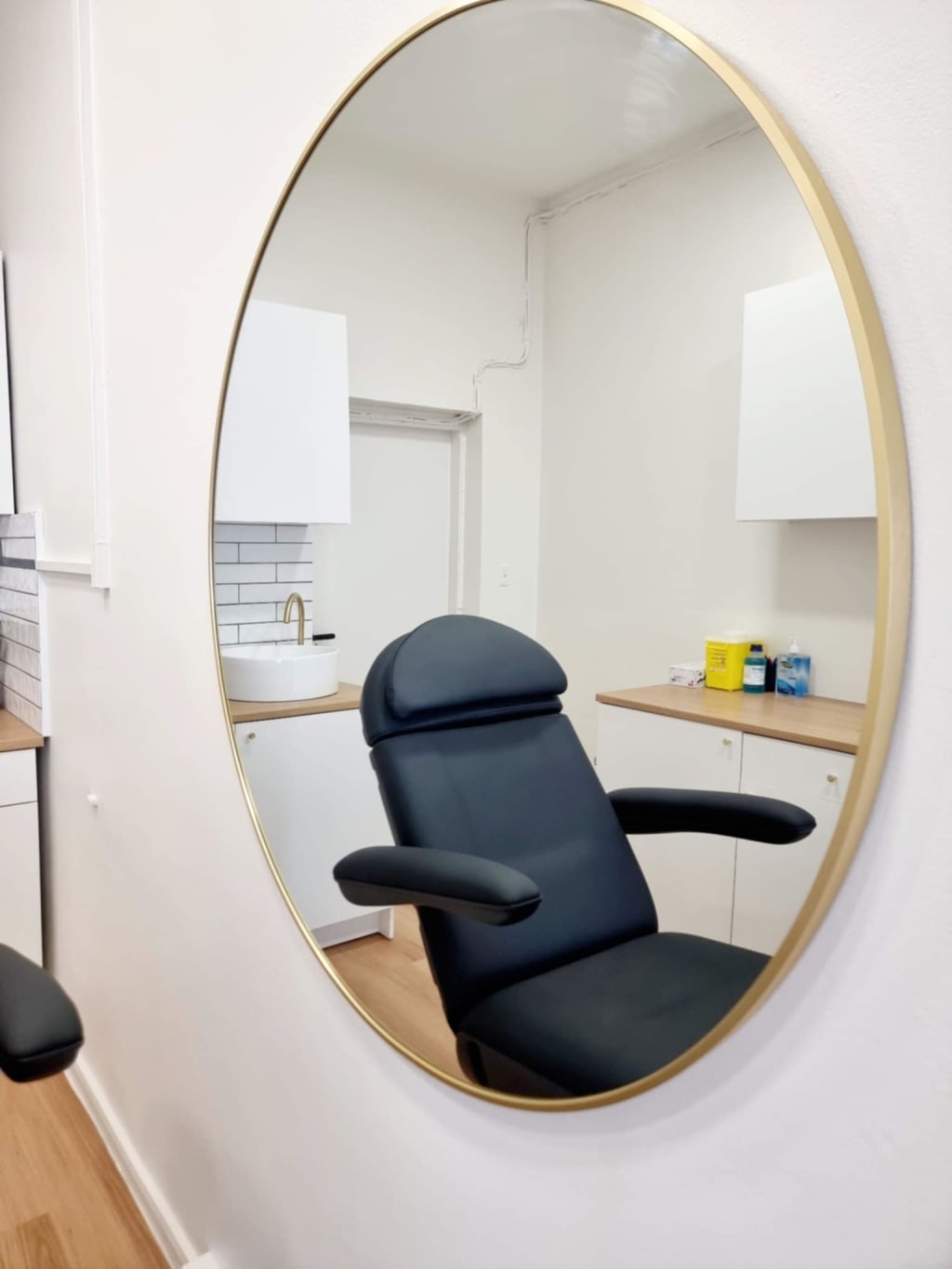
The link between Botox and mental health is moving from curiosity to clinical conversation. In Hobart, where injectables are widely used for aesthetic purposes, a new question is quietly emerging in some rooms: can the same injections used to reduce frown lines also shift emotional states?
Across several countries, researchers are looking at this from a psychiatric angle. One recent case series tracked how botulinum toxin A might affect people living with depression and borderline personality traits. Although this wasn’t done in Australia, the results are drawing attention from both cosmetic nurses and mental health clinicians here—especially those in places like Hobart, where crossover between wellness and aesthetics is common.
In the simplest terms, the question is about how the face communicates with the brain. If facial tension contributes to a constant loop of emotional distress, can relaxing those muscles change the signals? And if it can, should this be something we discuss openly in clinics, even if the use is off-label?
Three Fast Facts: Botox and Mood in Hobart
Can Botox change how I feel emotionally?
Some people feel less tense or emotionally reactive after upper face injections, but this is not a guaranteed outcome and not an approved treatment for mental health in Australia.
Is it safe to use Botox for this purpose?
When performed by a trained injector, the treatment is generally safe. However, any emotional changes should be discussed with a qualified mental health professional.
Do I need a prescription for Botox to help my mood?
No provider can prescribe Botox specifically for mood. Any benefit would be incidental, and not all patients will experience it.
Can Facial Expression Affect Mood?
One theory sits at the centre of this debate. Known as facial feedback, it suggests that the way we use our facial muscles shapes how we feel. People with depression often describe feeling flat, disconnected, or stuck in patterns of negative thought. These feelings often show on the face too: tight brows, drawn eyes, downturned lips.
When Botox is used in the glabellar area—the space between the eyebrows—it interrupts these physical patterns. The corrugator and procerus muscles stop pulling. Without the same scowl reflex, the brain may receive fewer signals of sadness or threat. This isn’t a cosmetic claim. It’s a behavioural one. The body, quite literally, stops rehearsing the same distress.
For someone in Hobart already receiving injectables for aesthetic reasons, this change might not feel medical. They might just say they feel lighter or more socially open. But to a clinician, that’s a cue worth following.
What Does the Research Actually Show?
Over seven years, a German outpatient clinic followed 51 adults who were given glabellar Botox while also managing psychiatric symptoms. Most had major depressive disorder. A smaller number were dealing with borderline personality traits or generalised anxiety. The injections weren’t positioned as a primary treatment. They were used alongside other supports.
What happened next caught attention. On average, depression scores dropped by about 10 points after one session. Some people moved from severe to mild symptom levels. A few entered full remission after just one injection cycle. Others showed continued benefit over multiple sessions.
Even when symptoms started creeping back, they didn’t bounce back to the original levels. For patients who returned for ongoing treatment, those gains were often maintained.
There were no serious side effects, and even when Botox was used near the mouth, patients didn’t report problems with speaking or eating. The upper face alone seemed enough to trigger change.
This raises questions for Hobart clinics seeing regular injectable clients. Could these shifts already be happening under the radar, without being recognised for what they are?
Who Sees the Most Benefit?
The strongest improvements occurred in people diagnosed with depression. People with borderline personality patterns also showed benefit, but the results weren’t as consistent. Those with anxiety didn’t appear to respond the same way. The reasons for this aren’t fully understood, but it’s possible that worry-based conditions involve a different neurological circuit.
In practice, this means that clients experiencing emotional flatness or low mood may be more likely to respond than those whose distress presents as nervous energy or panic. It also highlights that Botox is not a catch-all. Just as medication doesn’t suit everyone, neither will this.
Roughly half of the participants in the study didn’t report meaningful change after the first round. That’s a large number. In any Hobart clinic, it would be unethical to ignore that range of responses.
What Else Might Be Happening?
There are a few ways Botox could reduce emotional distress. The first is mechanical. The facial muscles stop signalling pain, sadness, or fatigue to the brain. This disrupts the usual loop. The second is social. When the face appears calmer, people may receive more positive social cues. This feedback loop could help lift mood. The third is neurological. Some imaging studies show that Botox in the glabellar zone may lower activity in the amygdala, the brain’s alarm system for emotional threat.
Each of these explanations relies on a clear point: Botox is not acting on the skin alone. It’s interacting with the nervous system, and that system does not separate emotion from movement. For Hobart-based practitioners who understand this physiology, it’s not a stretch to think some clients may already be experiencing emotional shifts without linking them to the treatment.
How Long Does the Mood Shift Last?
In the case series, emotional relief usually lasted 8 to 12 weeks. That aligns closely with the known cosmetic duration. However, some patients continued to feel better well past that point. When symptoms did reappear, they were often less intense than at the start. In people who delayed their next session, symptom levels rose again. This may mean that ongoing treatment is needed to maintain the benefit—but it could also reflect the natural variability in psychiatric symptoms.
This is something that any injector in Hobart should think about before even mentioning these effects. If the client reports mood changes but hasn’t spoken with a mental health provider, the appropriate response is a referral—not a rebooking.
Can This Be Used for Mental Health in Australia?
Botox is not approved for psychiatric treatment in Australia. That includes Hobart. No claims about treating depression, anxiety, or trauma can be made in advertising or marketing. However, professionals are allowed to be aware of the research, and they may discuss it privately with patients if asked.
Informed consent remains essential. That means no promises, no pressure, and no treatment in place of other care. Botox can’t replace therapy or medication. It can’t resolve trauma or build coping skills. It may interrupt a physical pattern that contributes to a person’s distress. Nothing more.
Should Hobart Clinics Be Talking About This?
Most already are—quietly. Clients often say they feel more open, more sociable, or more stable after treatment. These comments are easy to dismiss as placebo, but the facial feedback theory suggests there’s more going on.
In Hobart, where weather, work culture, and long waitlists can all wear on people’s energy, these observations matter. They may not lead to a clinical outcome. But they may open a pathway to one.
Qualified cosmetic nurses and doctors should know this evidence. They don’t need to offer treatment for mental health, but they should recognise when a client’s emotional health is in play. They should also be ready to refer out when something deeper is at stake.
Questions Hobart Clients Might Ask
Why do I feel calmer after Botox?
The change may come from reduced facial tension, less muscle activity in the frown area, or improved social feedback. These effects combine to create a shift in how people feel day to day.
Should I book Botox for low mood?
No. If you are experiencing depression, speak with a GP or mental health clinician. Botox is not a substitute for therapy or medical care.
What if I’ve already noticed a shift after Botox?
Mention it to your injector and your doctor. Keep track of how long the feeling lasts. If the improvement is consistent, your care team may consider this information as part of your broader treatment plan.
Is this something people talk about in Hobart clinics?
Some do, though it’s not openly promoted. Many practitioners are aware of the research and are keeping an eye on international developments.
Do I need to change where I get Botox to feel this effect?
No. The treatment zone is the glabellar area between the eyebrows. This is a common cosmetic site and does not require special technique beyond standard best practice.
Can I use this to manage burnout or stress?
Not directly. Botox might influence how your body processes tension, but it’s not a treatment for stress. It can be one tool among many, used with care and alongside other supports.
About the Creator
The Subtle Lift
Exploring the science, trends, and truths behind skin treatments in Australia — from wrinkle relaxers to skin needling. Unbiased insights, researched content, and real-world tips for those navigating the world of non-surgical aesthetics.
Keep reading
More stories from The Subtle Lift and writers in Blush and other communities.
Beyond HIFU Hobart
Residents who search HIFU Hobart usually want a sharper jaw, fewer neck creases, or a lighter fold beside the mouth, yet they hope to sidestep scalpels and lengthy recovery. High-Intensity Focused Ultrasound delivers heat into the facial scaffold and can lift tissue, but it is not the only route to stronger collagen. Hobart’s cool climate, brisk winds, and fluctuating UV make the skin behave differently from mainland states, and many locals now ask for solutions that avoid lasers, radiofrequency, or ultrasound.
By The Subtle Lift9 months ago in Blush
The ultimate Ramadaan skincare guide for hydrated and radiant skin throughout the fast
The biggest skin concern during fasting periods is dehydration. There’s something quietly beautiful about the rhythm of Ramadaan. The stillness before dawn, the communal joy of breaking fast, the soft recalibration of body and spirit.
By Good health to everyonea day ago in Blush
Magazine Dreams: A Powerful Psychological Drama About Obsession, Identity, and the Pursuit of Recognition
In recent years, psychological character studies have become an important part of modern cinema. Films that focus on the inner struggles of individuals often reveal more about human nature than traditional narratives centered on action or spectacle. One such film is Magazine Dreams, a psychological drama written and directed by Elijah Bynum.
By Backlinks Cart7 days ago in Blush


Comments