
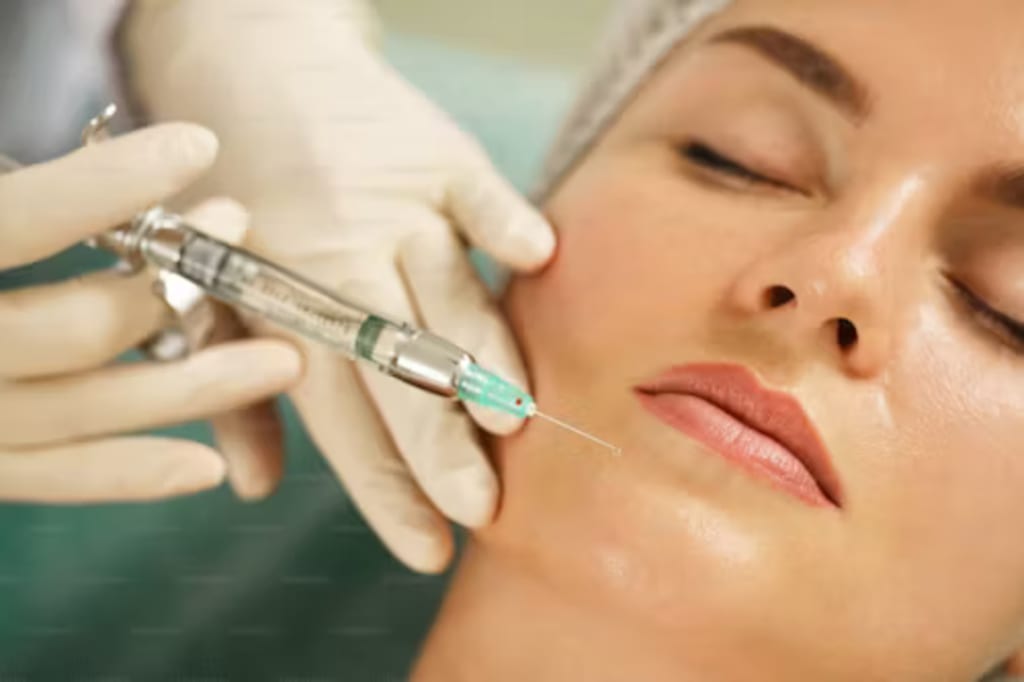
Botox is a treatment commonly used for cosmetic purposes to improve the appearance of frown lines, crow's feet, bunny lines, forehead lines and lines around the mouth. The effects of Botox typically last for six months before the muscle activity gradually returns to normal.
Botox has become a household name in the world of cosmetic treatments, known for its ability to reduce wrinkles and create a more youthful appearance. But beyond its cosmetic uses, Botox offers a range of medical benefits that many people may not be aware of. Whether you’re considering Botox for the first time or are simply curious about its uses, this guide will provide you with everything you need to know.
What is Botox?
Botox is a brand name for a purified form of botulinum toxin type A, a neurotoxin produced by the bacterium Clostridium botulinum. While the word "toxin" might sound alarming, Botox has been safely used in medicine for decades. When injected in small, controlled doses, Botox temporarily relaxes muscles by blocking the signals from nerves that cause them to contract. This muscle relaxation is what makes Botox effective for both cosmetic and medical treatments.
Cosmetic Uses of Botox
The most well-known use of Botox is in the cosmetic industry, where it is primarily used to reduce the appearance of facial wrinkles. Here's how Botox can help you look and feel younger:
Wrinkle Reduction:
Botox is most commonly used to smooth out dynamic wrinkles—those caused by repetitive facial expressions like frowning, squinting, or smiling. Common treatment areas include:
Forehead Lines: Horizontal lines that appear when you raise your eyebrows.
Frown Lines (Glabellar Lines): Vertical lines between the eyebrows, often called “11s.”
Crow's Feet: Fine lines at the outer corners of the eyes that appear when smiling or squinting.
Preventative Botox:
Some people opt for Botox in their late 20s or early 30s as a preventative measure to delay the onset of wrinkles. By relaxing the muscles responsible for expression lines, Botox can prevent these lines from becoming more pronounced over time.
Facial Slimming:
Botox can also be used to contour the face. For example, injecting Botox into the masseter muscles (used for chewing) can create a slimmer jawline and reduce the appearance of a square jaw.
Brow Lift:
A Botox brow lift is a non-surgical option for elevating the eyebrows, giving the eyes a more open and youthful appearance. This treatment can also help smooth out forehead lines and lift drooping eyelids.
Medical Uses of Botox
While Botox is widely recognized for its cosmetic benefits, it also has several medical applications. Some of the conditions that Botox can treat include:
Chronic Migraines:
Botox is FDA-approved for the treatment of chronic migraines. Regular Botox injections can reduce the frequency and severity of migraine attacks by relaxing muscles and blocking pain signals.
Hyperhidrosis (Excessive Sweating):
For individuals suffering from hyperhidrosis, or excessive sweating, Botox injections can help. When injected into the sweat glands, Botox reduces sweating in areas like the underarms, palms, and soles of the feet.
Overactive Bladder:
Botox can be used to treat overactive bladder symptoms, such as frequent urination and incontinence. By relaxing the bladder muscles, Botox helps reduce these symptoms and improve quality of life.
Muscle Spasms and Stiffness:
Botox is commonly used to treat muscle stiffness and spasms in conditions such as cerebral palsy, multiple sclerosis, and after a stroke. By relaxing the affected muscles, Botox can reduce pain and improve mobility.
Strabismus (Crossed Eyes):
Botox was first approved by the FDA for the treatment of strabismus, a condition where the eyes do not properly align. By weakening specific muscles around the eye, Botox can help correct the alignment and improve vision.
What to Expect During a Botox Treatment
If you’re considering Botox, it’s important to know what to expect during the treatment process:
Consultation:
The first step is a consultation with a qualified practitioner. During this consultation, you’ll discuss your goals, medical history, and any concerns you may have. Your practitioner will assess your facial structure and recommend the best approach to achieve your desired results.
The Procedure:
Botox injections are relatively quick and minimally invasive. Using a fine needle, the practitioner will inject small amounts of Botox into the targeted muscles. Most treatments take about 10-30 minutes, depending on the number of areas being treated.
Post-Treatment Care:
After the injections, you can usually return to your normal activities immediately. However, you’ll be advised to avoid strenuous exercise, lying down, or touching the treated area for several hours to prevent the Botox from spreading to unintended areas.
Results:
The effects of Botox typically begin to appear within 3-5 days, with full results visible after about two weeks. The results usually last 3-6 months, after which the muscle activity gradually returns, and you may need additional treatments to maintain the effect.
Potential Side Effects and Risks
While Botox is generally safe when administered by a qualified professional, there are potential side effects to be aware of:
Bruising and Swelling: Minor bruising or swelling at the injection site is common and usually resolves within a few days.
Headache: Some people may experience a mild headache after treatment, which typically subsides within 24 hours.
Drooping Eyelids or Brows: In rare cases, Botox can cause temporary drooping of the eyelids or brows if the toxin spreads to nearby muscles. This effect usually resolves within a few weeks.
Allergic Reactions: Although rare, some individuals may experience an allergic reaction to Botox, characterized by itching, rash, or difficulty breathing. Immediate medical attention is required in such cases.
Who Should Avoid Botox?
While Botox is safe for most people, certain individuals should avoid it:
Pregnant or Breastfeeding Women: The effects of Botox on unborn or nursing babies are not well-studied, so it’s best to avoid Botox during pregnancy and breastfeeding.
People with Neurological Conditions: Individuals with certain neurological conditions, such as ALS or myasthenia gravis, should avoid Botox, as it may exacerbate their symptoms.
Allergic to Botulinum Toxin: If you have a known allergy to botulinum toxin or any of the ingredients in Botox, you should not undergo treatment.
Conclusion
Botox offers a versatile range of benefits, from reducing the appearance of wrinkles to treating chronic medical conditions. Whether you’re seeking cosmetic enhancement or relief from a medical issue, Botox can be a powerful tool in your self-care arsenal. As with any medical treatment, it’s important to consult with a qualified practitioner to determine if Botox is right for you and to ensure that the procedure is performed safely.
With the right approach, Botox can help you look and feel your best, enhancing not only your appearance but also your overall well-being. #Botox #CosmeticTreatment #AntiAging #WrinkleReduction #SkinCare #ChronicMigraines #Hyperhidrosis #OveractiveBladder #MedicalBotox
About the Creator
Keep reading
More stories from SKIN Clinics and writers in Blush and other communities.
Benefits Of Laser Hair Removal
The Benefits of Laser Hair Removal: A Comprehensive Guide Introduction In the realm of personal grooming, hair removal is a common routine for many individuals. Traditional methods like shaving, waxing, and tweezing have been staples for years, but technological advancements have introduced more efficient and long-lasting solutions. One of the most popular and effective methods today is laser hair removal. This innovative technique has revolutionized how we approach hair removal, offering a range of benefits that go beyond mere aesthetics. In this blog post, we'll explore the numerous advantages of laser hair removal and why it might be the right choice for you.
By SKIN Clinicsabout a year ago in Blush
Hand-Tied vs. Machine Wefts: The Ultimate Guide to Choosing Your Perfect Extensions
In the world of professional hair extensions, "wefts" are the gold standard for adding significant length and volume. However, the choice between Hand-Tied Wefts and Machine Wefts often leaves clients—and even some stylists—uncertain.
By Emma Smith3 days ago in Blush
The Modern Guide to Smooth, Healthy, and Confident Hair Care
Hair has always been more than just a physical feature. Across cultures and generations, it represents beauty, confidence, and personal identity. Whether long or short, natural or styled, hair plays a powerful role in how people express themselves. In recent years, advancements in beauty and grooming have transformed how individuals manage unwanted hair, especially with options like Laser Hair Removal in Islamabad, which reflects the growing demand for modern, effective solutions.
By Saad Imtiaz4 days ago in Blush
The Devil's Cut
“Comrade, finally you’re awake.” The voice was smooth, sensual. A flickering incandescent bar was all that lit the white, sterile room. All Vladimir remembered was everything going black. He tried to move his arms and found them strapped to the gurney.
By Matthew J. Fromm4 days ago in Fiction


Comments
There are no comments for this story
Be the first to respond and start the conversation.