
Biosensors: The Incredible Power of Sensing Biology
Exploring the Different Categories and Their Functions
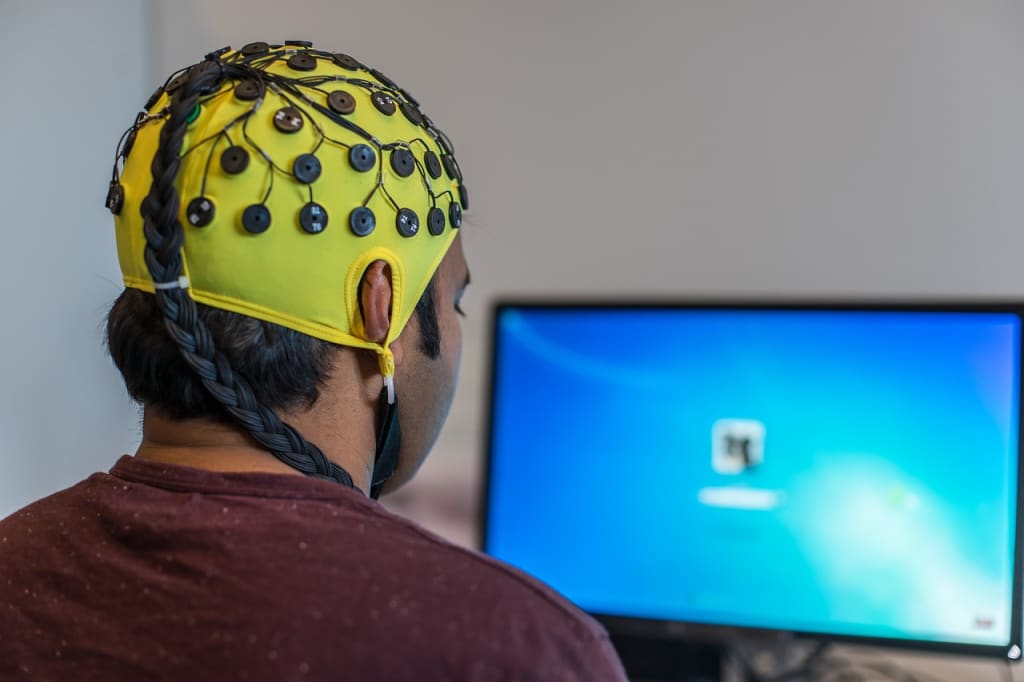
Biosensors can be defined as analytical devices that use a biological component like enzymes, antibodies, tissues or microorganisms along with a physicochemical transducer component to detect the analytes like DNA, proteins, pathogens etc. and convert the biochemical signal into an electrical signal. The biological recognition component interacts specifically with the target analyte and recognizes it. The transducer component then converts this interaction into a quantifiable signal like current or voltage which can be measured and processed.
Types of Biosensors
Classifying these Sensors Based on their Recognition and Transduction Components
Biosensors can be broadly classified into different types based on their biological recognition element and the physiochemical transducer used. Some common types include:
-Enzyme biosensors: These use an enzyme Biosensors as the biological recognition element and interact specifically with the target analyte. Glucose biosensors are a major example which use glucose oxidase enzyme.
- Immuno biosensors: Antibodies are used as the biological recognition elements to detect antigens. These have high specificity for their targets and are used for detecting pathogens, proteins etc.
- DNA/RNA biosensors: Nucleic acids like DNA, RNA act as the biological element and hybridize with complementary target sequences which is converted to a readable signal.
- Cell-based biosensors: Intact cells, tissues or organelles form the biological component and interact with target analytes.
The transducers used can be optical, electrochemical, thermal or piezoelectric. Common transducers include electrodes for amperometric/potentiometric biosensors and optical detectors for colorimetric/luminescence assays.
Applications of Biosensors in Various Fields
Where these Devices are Impacting Life Sciences
Due to their high sensitivity and specificity, biosensors find numerous applications across various disciplines like:
- Healthcare: Glucose monitoring, infectious disease diagnosis, drug detection are some key uses. Point-of-care testing is revolutionizing patient management.
- Food safety: Pathogen detection methods allow rapid onsite analysis for quality control during production, transport and storage of foods.
- Environmental monitoring: Detection of water and soil toxins enables continuous assessment of ecosystem health.
- Bioprocess industry: Real-time fermentation monitoring and control is critical for consistency in biomanufacturing operations.
- Homeland security: Pathogen and toxic compound sensors are essential for screening in public places to detect biological hazards.
- Forensics: Rapid DNA profiling helps identify victims of crimes or disasters and catch perpetrators.
With further advancements, biosensors promise to transform many areas through their low-cost, portable and easy-to-use detection platforms providing timely information for informed decision making.
Recent Biosensor Technologies and Their Impact
Looking at Some Groundbreaking Developments
The past decade has seen remarkable biosensor technologies emerging:
- Nanomaterial-based biosensors: Use of nanomaterials like gold nanoparticles, graphene, quantum dots etc. have enabled development of ultrasensitive detection systems with lower detection limits.
- Smartphone-based biosensors: By leveraging the computational power and connectivity of smartphones, Paper-based and microfluidic biosensors have been coupled with phone cameras and apps for inexpensive quantitative testing even in remote locations.
- Wearable biosensors: Integration of biosensing into portable wearable devices like watches, contact lenses enables continuous health monitoring through sweat or tears.
- Organ-on-a-chip microdevices: Microfabrication has allowed development of 3D tissue and organ mimics for preclinical drug testing and studies before animal/human trials reducing costs and time.
- Multiplexed detection platforms: Ability to detect several biomarkers simultaneously has improved efficiency of high-throughput screening in applications like cancer diagnostics and environmental toxicology analyses.
Advancements in materials science, microtechnology, mobile and sensor networks are propelling the biosensing field to new horizons with huge impact on precision health, agriculture and general well-being.
Challenges and Future Directions
Overcoming Hurdles and Potential Pathways
While biosensors are revolutionizing many areas, some challenges remain:
- Interference from complex samples needs better characterization and compensation techniques.
- Issues of sensor stability, selectivity, shelf-life especially in resource-poor settings require further enhancements.
- Standardization of assay protocols and regulatory approval processes can support wider clinical adoption.
The future looks promising with ongoing work on:
- Lab-on-chip microsystems with complete sample-to-result automation.
- Non-invasive wearable sweat/tear based sensors obviating need for blood samples.
- Multiplexed detection technologies for simultaneous screening of several markers on a single platform.
- Artificial intelligence driven data analytics for predictive diagnostics and monitoring.
- Connected global sensor networks for remote population-scale epidemiology.
With continued advancements addressing existing challenges, biosensors undoubtedly hold immense scope to transform healthcare delivery, industrial processes and environmental protection through their high-impact applications.
Get More Insights On- Biosensors
• バイオセンサー
• 바이오센서
About Author:
Ravina Pandya Content Writer, has a strong foothold in the market research industry. She specializes in writing well-researched articles from different industries, including food and beverages, information and technology, healthcare, chemical and materials, etc. (https://www.linkedin.com/in/ravina-pandya-1a3984191)
About the Creator
Keep reading
More stories from pragatibodkhe and writers in Blush and other communities.
Cultural Tourism: Exploring History Through Travel
Cultural tourism involves traveling to experience the arts, heritage, traditions and way of life of other cultures. It provides an opportunity for people to learn about and experience different cultures first-hand through participation in various activities, events, attractions and festivals. Cultural tourism aims to foster understanding and appreciation of cultural diversity through tourism.
By pragatibodkheabout a year ago in Futurism
Hand-Tied vs. Machine Wefts: The Ultimate Guide to Choosing Your Perfect Extensions
In the world of professional hair extensions, "wefts" are the gold standard for adding significant length and volume. However, the choice between Hand-Tied Wefts and Machine Wefts often leaves clients—and even some stylists—uncertain.
By Emma Smith3 days ago in Blush
My New Book is Finally Here
My poetry collection Beautiful and Brutal Things is done. It's actually done and finally published over 270 pages. Over a year of my life went into this book. More than a year, really. Long days at my computer, sometimes seven days a week because I couldn't stop even when I probably should have. Then two months of editing that felt harder than the writing itself. But it's finished, and I'm still standing, and the book is real.
By Tim Carmichael2 days ago in BookClub



Comments (1)
This is really cool! Great work!