
11 Skin-Perfecting Tips for That “Wait, Is That a Filter?” Effect
These tried-and-true beauty and lifestyle strategies will help you get skin so good it looks lit from within—no filter required.


While social media filters can work magic by effortlessly creating luminous, texture-free skin on screen, in real life, that kind of glow comes from the daily choices we make.
Great skin isn’t established by genetics or expensive serums alone—it’s the result of a holistic approach that treats it as part of our overall well-being. Everything from our sleep habits to what we eat can either support our skin’s health or undermine it.
In this guide, we’re not chasing that “too perfect to be true” filter effect. These derm-backed skincare and lifestyle tips are axioms for building skin that looks naturally beautiful in any light—like it has its own built-in filter, known as a healthy glow.
Make Sleep a Foundational Skincare Step
It’s simple: no sleep, no glow. Think of quality rest as your most powerful overnight treatment that can do more for your complexion than even the most advanced serums. During deep sleep, your skin shifts into repair mode, regenerating cells, healing damage, and producing collagen. Skimping on rest slows these essential processes, leaving skin dull, puffy, inflamed, and more prone to premature aging.
Support your beauty from within by building sleep-positive habits throughout the day, establishing a calming nighttime routine, creating a restful environment, and sticking to a consistent schedule with seven to nine hours of solid sleep each night.
Prioritize Hydration—Inside and Out

Hydrated skin is healthy-looking skin. Drinking enough water supports circulation and helps lymphatic fluid flow freely throughout the body, flushing out toxins and waste and preventing inflammation.
Skincare ingredients like hyaluronic acid and collagen promote hydration on the surface, as they function as humectants, drawing moisture into the skin to give it a plump, supple, and radiant appearance. Barrier-enhancing ingredients like ceramides and squalane increase the skin’s resistance to external irritants and lock in hydration while softening and smoothing.
When the skin is deeply moisturized, it sustains its barrier health and reflects light better, giving you a glazed-donut glow.
Exclude Dietary Triggers for Skin Inflammation
A balanced diet is non-negotiable for your overall health—and your skin is no exception. A clearer, calmer complexion often starts with what’s on your plate. Ensure your meal plan includes all essential macronutrients, vitamins, and minerals, while excluding products that contribute to internal inflammation. Trans fats, refined carbs, and processed foods can all wreak havoc on your skin, making it appear congested.
In particular, sugar and dairy are two of the most common culprits behind breakouts and inflammation. High intake is associated with hormonal imbalances, insulin spikes, and excessive sebum production. Cutting back almost immediately results in skin that looks and feels healthier, with fewer flare-ups and a more even complexion.
Power Up with Antioxidants—In Diet and Skincare
Antioxidants are vital for defending your skin against oxidative stress caused by UV exposure and pollution. These compounds neutralize free radicals, supporting long-term cellular health and protecting your skin from premature aging.
A diet rich in antioxidant-packed foods like berries, citrus fruits, pomegranates, apples, and green tea lowers the risk of structural damage and helps keep the skin resilient and radiant.
Topically, serums and creams containing ingredients like vitamin C and coenzyme Q10 provide additional defense, improving tone, stimulating collagen production, and promoting the skin’s smoothness and luminosity.
Screen Cosmetic Ingredients for Safety and Skin Compatibility

Scan your skincare before it touches your skin. Think of it like checking the guest list before letting anyone into a VIP party. Not all cosmetic products are created equal, and not every “clean” product is necessarily safe for your skin.
Fortunately, there are cosmetic scanner apps designed to cut through the noise. OnSkin is one of the most comprehensive options currently available for both iOS and Android. It analyzes each ingredient based on scientific research and assigns the product an overall safety score, highlighting the most essential information to help you make conscious choices.
By getting into the habit of ingredient-checking, you can avoid potential irritants, allergens, sneaky fragrances, preservative overloads, and pore-clogging substances in your cosmetics that can sabotage your skin and cause sensitization, dryness, redness, inflammation, and breakouts—the consequences all having unwanted visual manifestations.
Boost Your Routine with a Niacinamide Serum
In skin-soothing cosmetics, niacinamide is nearly on every ingredient list. Its potent anti-inflammatory properties help calm acne outbreaks, reducing redness and swelling. It also balances sebum production, diminishing oiliness and tightening enlarged pores.
On top of that, niacinamide helps fade dark spots by inhibiting melanin transfer to the skin’s surface, promoting a brighter, more even complexion over time. Think of it as a “smooth skin” filter bottled in a serum.
Cleanse Gently and Follow with a Soothing Toner
Treat your skin like silk if you want it to look satiny. Overwashing or using harsh soaps and sulfate-based face cleansers can strip your skin of its natural oils, compromising its barrier function and leading to dryness and irritation.
Opt for a gentle cleanser made with milder surfactants, such as lauryl glucoside or coco glucoside, which are derived from glucose or coconut oil. This way, you’ll protect the skin’s barrier, which is crucial for locking in moisture, keeping irritants out, and maintaining a polished, healthy complexion.
After cleansing, follow up with a soothing toner that features calming botanicals like centella asiatica, chamomile, calendula, and green tea, or probiotics to restore pH balance and reduce any post-wash discomfort.
Ditch Mechanical Scrubs for Chemical Exfoliants
When it comes to exfoliation, the goal is smooth—not scratched. The chemical method allows for more controlled exfoliation. Physical scrubs often contain abrasive particles that can cause microtears and disrupt the skin’s barrier, provoking irritation and even infections, especially when overdone.
Chemical exfoliants—such as enzyme peels or acids like AHAs (glycolic, lactic, citric, tartaric, malic) and BHAs (salicylic acid)—enable a safer and more even approach, dissolving dead skin cells and unclogging pores without the need for manual friction and the risk of mechanical damage. Used consistently and correctly, they can reveal a fresher, clearer skin with smoother surface relief and fewer blemishes.
Commit to Daily Broad-Spectrum UV Protection

Excessive UV exposure and subsequent sun damage are the number one cause of premature aging, resulting in fine lines, hyperpigmentation, and loss of firmness (not to mention the increased risk of life-threatening conditions like melanoma). That’s why sunscreen remains a vital skincare essential, both for beauty and longevity.
Let’s clear up two common misconceptions right away: sunscreen isn’t just for sunny days since UV rays penetrate through clouds, and it’s not a one-and-done application, as UV filters degrade after 2–3 hours.
Use a broad-spectrum sunscreen with SPF 50 whenever the UV index is three or higher, and reapply it consistently when spending time outdoors. It creates a baseline for a lasting glow-up, helping prevent DNA damage, preserve collagen, and keep the skin more youthful and evenly toned in the long run.
Use Cold Therapy to Boost Circulation and De-Puff
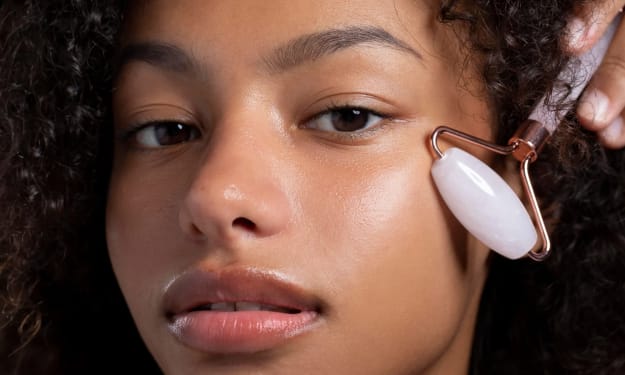
From a cold rinse to dedicated ice-rolling tools, cold therapy is a quick way to revive and lift your skin. It works by constricting blood vessels to reduce puffiness and inflammation—particularly useful around the eyes and cheeks—then stimulating circulation as the skin rewarms, invigorating your complexion from within.
As an added benefit, cold therapy can tighten the appearance of pores and improve the absorption of cosmetic products when used beforehand.
Get Regular Movement and Exercise
Exercise is like skincare in motion. Physical activity boosts circulation, delivering oxygen and nutrients the skin needs for repair and renewal and aiding in detoxification. In other words, increased blood flow means more glow.
Engaging in fitness also helps regulate cortisol levels, which in turn reduces stress-induced skin issues, such as inflammation, breakouts, and dullness. Plus, the endorphin rush from working out helps brighten your mood—and your complexion along with it.
About the Creator
Ana Chur
Holistic health advocate and wellness writer
Korean Skincare Secrets: The Best Serums to Repair and Restore your Glow
You know that moment when your skin just looks tired, dull, uneven or not quite as radiant as it used to be? Trust me, we’ve all been there. Life happens, and our skin feels it in more ways than none. That effortless glow starts to fade, and suddenly your usual routine just isn’t doing enough.
By Good health to everyonea day ago in Blush



Comments
There are no comments for this story
Be the first to respond and start the conversation.