
10 Foods That Naturally Boost Collagen at Home
Here is a artical about 10 foods that naturally boost collagen at home...

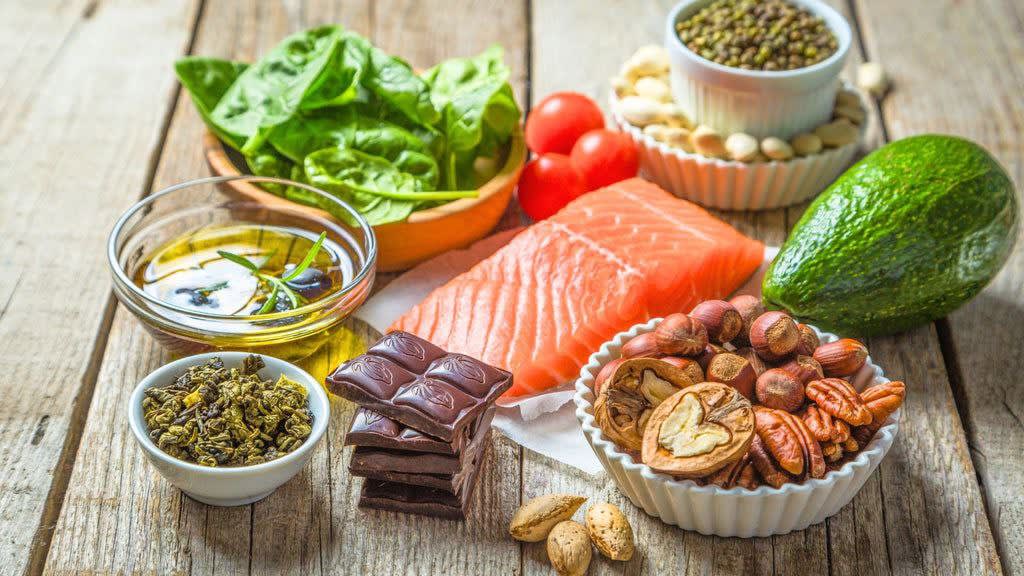
Introduction
Collagen is the most abundant protein in the human body, playing a crucial role in maintaining the structure and elasticity of our skin, joints, and connective tissues. The natural production of collagen in our bodies decreases as we get older, which causes wrinkles, joint pain, and a loss of skin elasticity as we get older. Fortunately, incorporating certain foods into your diet can help stimulate collagen production naturally.
This article looks at ten foods that can help your skin, joints, and overall health by naturally increasing your collagen levels. 1. Bone Broth
Why It Works:
Bone broth is made by simmering animal bones and connective tissues, which releases collagen into the broth. This collagen is broken down into gelatin, which provides amino acids like glycine and proline essential for collagen synthesis.
How to Incorporate:
As a warming beverage, sip warm bone broth. Use it as a base for soups and stews.
Cook grains like rice or quinoa in bone broth for added flavor and nutrients.
Benefits:
Supports skin elasticity.
Promotes joint health.
Aids in gut health.
2. Chicken
Why It Works:
Chicken, especially with the skin, is rich in collagen, particularly type II collagen found in cartilage. Consuming chicken gives you the amino acids you need to make collagen. How to Incorporate:
Roast chicken with the skin on.
Make chicken stews or soups. Use chicken bones to make homemade broth.
Benefits:
Enhances skin firmness.
supports cartilage in joints. 3. Fish and Shellfish
Reasons It Works: Fish and shellfish contain collagen in their bones, skin, and ligaments. Marine collagen, derived from fish, is easily absorbed by the body.
How to Incorporate:
Eat fish with the skin on, like salmon.
Include shellfish like shrimp and oysters in your meals.
Use fish bones to prepare fish stock.
Benefits:
Promotes skin hydration.
Supports bone strength.
4. Egg Whites
Why It Works:
Egg whites are rich in proline, an amino acid vital for collagen production. They also contain lysine and glycine, which support collagen synthesis.
How to Incorporate:
Make omelets or scrambled eggs using egg whites.
For extra protein, add egg whites to smoothies. Use egg whites in baking recipes.
Benefits:
Supports skin structure.
facilitates tissue repair. 5. Citrus Fruits
Why It Works:
Citrus fruits like oranges, lemons, and grapefruits are high in vitamin C, a crucial nutrient for collagen synthesis. Vitamin C helps convert proline into hydroxyproline, stabilizing collagen structure.
How to Incorporate:
Orange juice is a great way to start the day. Add lemon slices to your water.
Include citrus segments in salads.
Benefits:
Enhances skin brightness.
increases blood vessel strength. 6. Berries
Why It Works:
Berries such as strawberries, blueberries, and raspberries are rich in antioxidants and vitamin C, both of which protect and support collagen production.
How to Incorporate:
Top your yogurt or oatmeal with fresh berries.
Blend berries into smoothies.
Enjoy berries as a healthy snack.
Benefits:
Protects skin from oxidative stress.
Supports collagen integrity.
7. Leafy Greens
Why It Works:
Leafy greens like spinach, kale, and Swiss chard contain chlorophyll, which has been shown to increase collagen in the skin. They are also rich in vitamin C and antioxidants.
How to Incorporate:
Add greens to salads and sandwiches.
With olive oil and garlic, sauté the greens. Blend greens into smoothies.
Benefits:
Promotes skin elasticity.
Provides anti-inflammatory properties.
8. Garlic
Why It Works:
Garlic is rich in sulfur, a trace mineral that helps synthesize and prevent the breakdown of collagen. It also contains taurine and lipoic acid, which support damaged collagen fibers.
How to Incorporate:
For flavor, cook with garlic. Roast garlic and spread it on whole-grain bread.
Add minced garlic to dressings and marinades.
Benefits:
Supports collagen maintenance.
Offers antioxidant benefits.
9. Nuts and Seeds
Why It Works:
Nuts and seeds, such as almonds, cashews, and chia seeds, provide zinc and omega-3 fatty acids, both essential for collagen production and skin health.
How to Incorporate:
Take a handful of mixed nuts as a snack. Sprinkle seeds over salads and yogurt.
Nut butters can be added to smoothies or spreads. Benefits:
Enhances skin hydration.
supports the production of collagen. 10. Tomatoes
Why It Works:
Tomatoes contain a lot of vitamin C and lycopene, an antioxidant that helps collagen grow stronger and protects skin from sun damage. How to Incorporate:
Add fresh tomatoes to salads and sandwiches.
Use tomato sauce in pasta dishes.
Tomato soup is a great way to start a meal. Benefits:
Protects skin from UV damage.
Supports collagen stability.
Conclusion
Your skin, joints, and overall vitality can all benefit from naturally increasing your body's collagen production by incorporating these collagen-boosting foods into your daily diet. Remember, a balanced diet rich in vitamins, minerals, and amino acids is key to maintaining collagen levels and promoting overall health.
About the Creator
Krypton
Be happy,Be calm,Be Better,Be honest,Be Strong,Be faithful,Be Loving,Life is journey&I am a traveler.
Type of Support Required For Mental Health Of celebrities
The lives of celebrities are often viewed through the lens of glamor, fame, and fortune, but beneath the surface, many face challenges related to mental health that go unnoticed or unaddressed. The pressures of constant public scrutiny, overwhelming work schedules, and personal sacrifices can take a significant toll on their emotional well-being. As a result, maintaining mental health for celebrities requires a multifaceted approach, involving various types of support systems and coping mechanisms. In this article, we will explore the different types of support that are crucial for preserving the mental health of celebrities, ensuring they can navigate the demanding world of fame while fostering personal well-being.
By Ibrahim Shah 6 days ago in Blush
How to Use a Sugar Scrub the Right Way for Softer, Smoother Skin
In This Article ✅What Is a Sugar Scrub? ✅How to Properly Use a Sugar Scrub Your shower routine probably has all the basics covered: shampoo, conditioner, and sudsy body wash. But a fourth addition to this regimen—a good old fashioned sugar scrub—can make all the difference both in terms of your skin’s hydration and overall glow factor. With insights from a seasoned skincare pro, we’re diving into what sugar scrubs are and why they’re an absolute shower must, plus a quick rundown on how to properly use a sugar scrub.
By Good health to everyone4 days ago in Blush
Early March 2026: 4 Goals Accomplished
It's early March and I've now accomplished my 4th writing goal for the year of 2026. Before diving into the behind-the-scenes of it... why not tell you up front what that accomplishment was? I was published in a 2nd publication for this year. Published in Helix Literary Magazine out of Central Connecticut State University. You can read it for free right now!
By Stephen Kramer Avitabile7 days ago in Writers




Comments
There are no comments for this story
Be the first to respond and start the conversation.